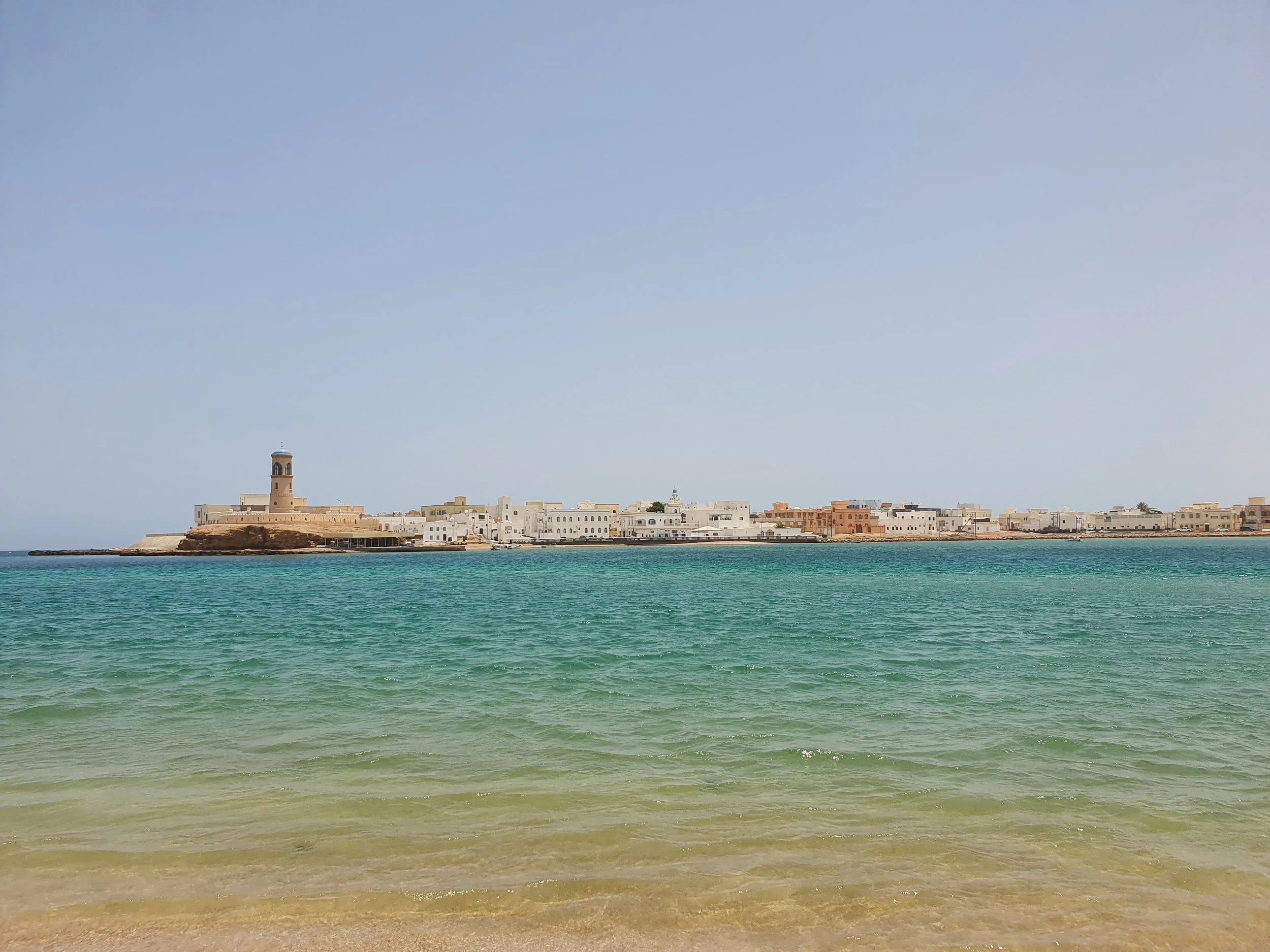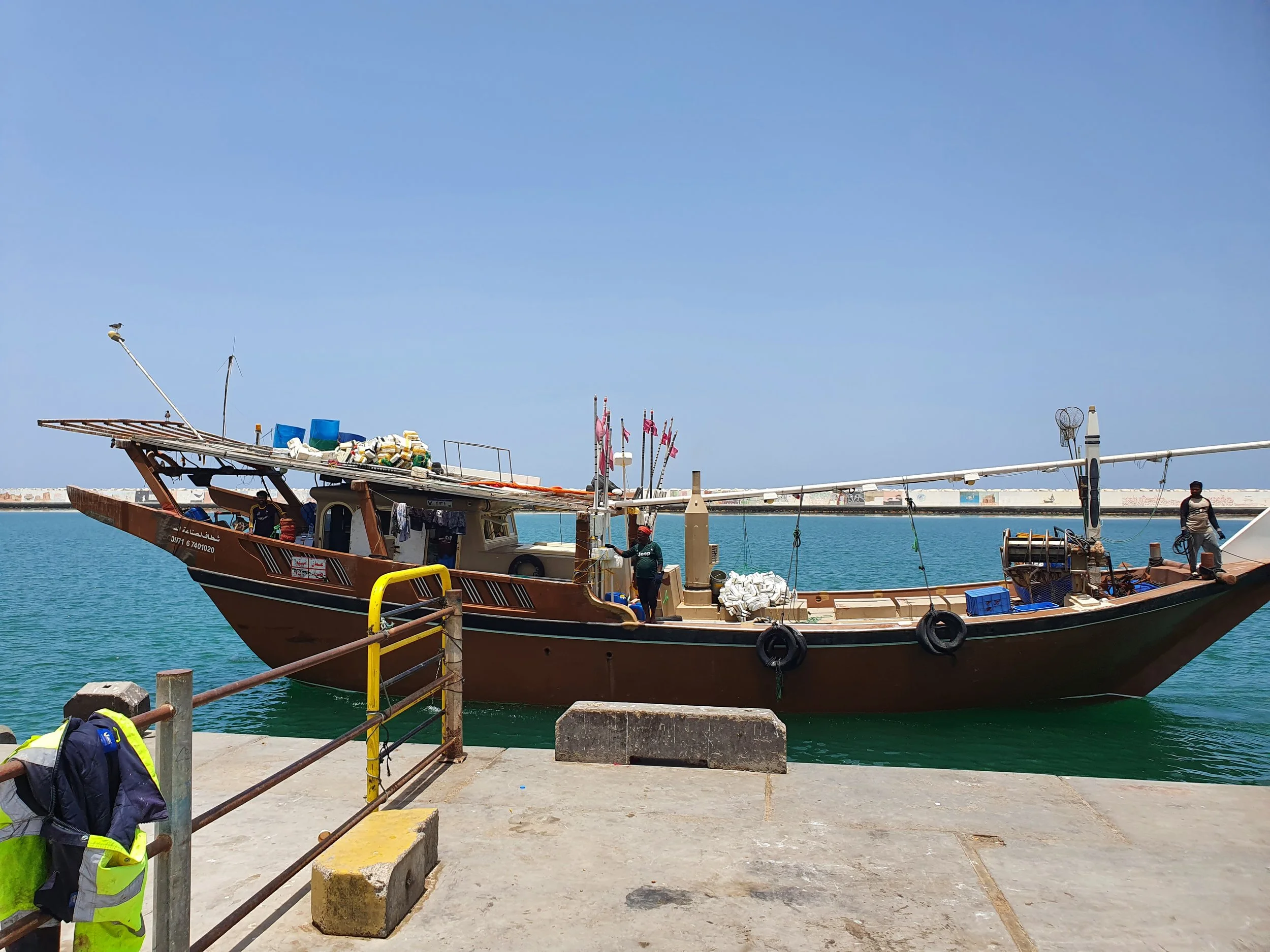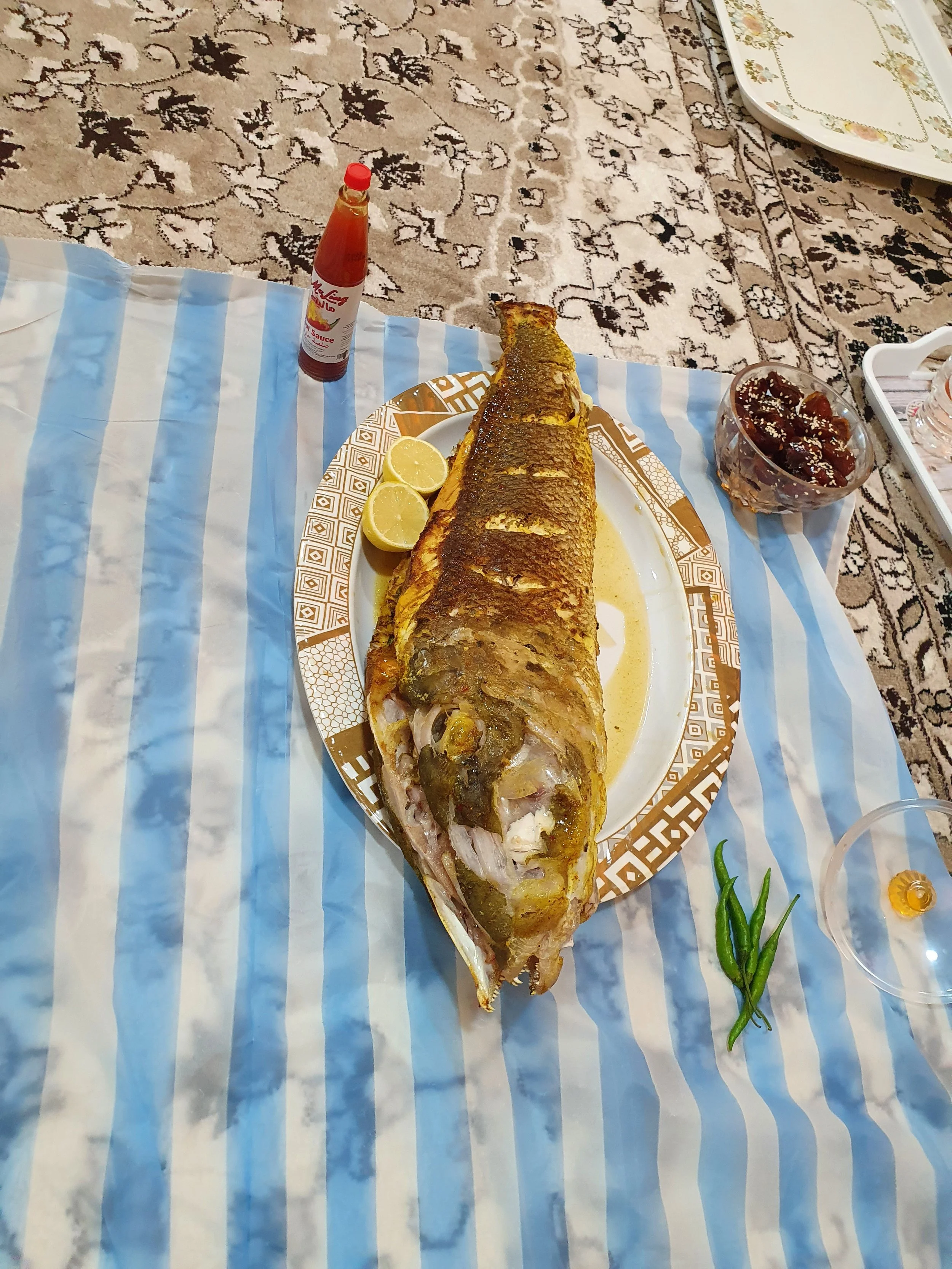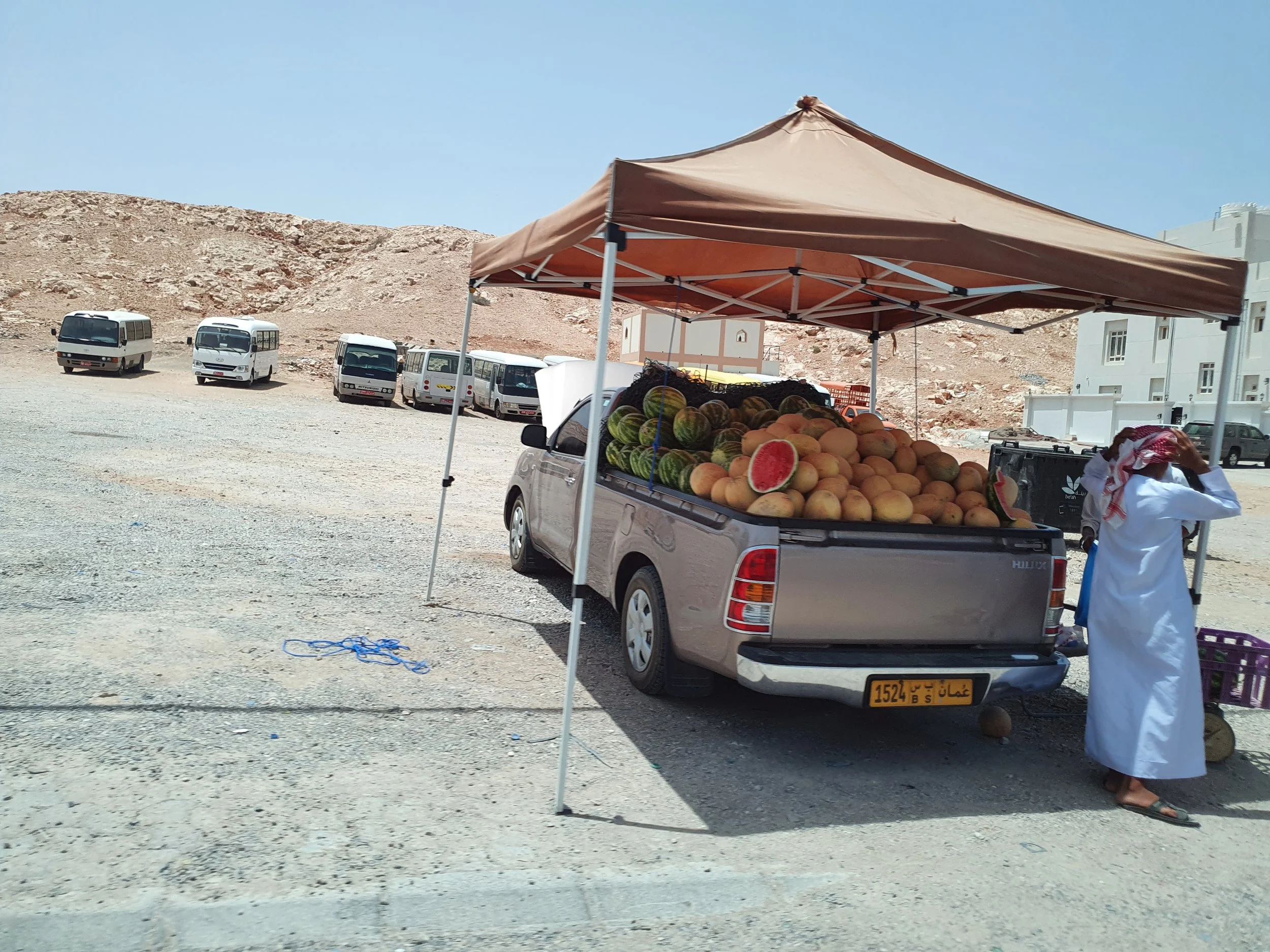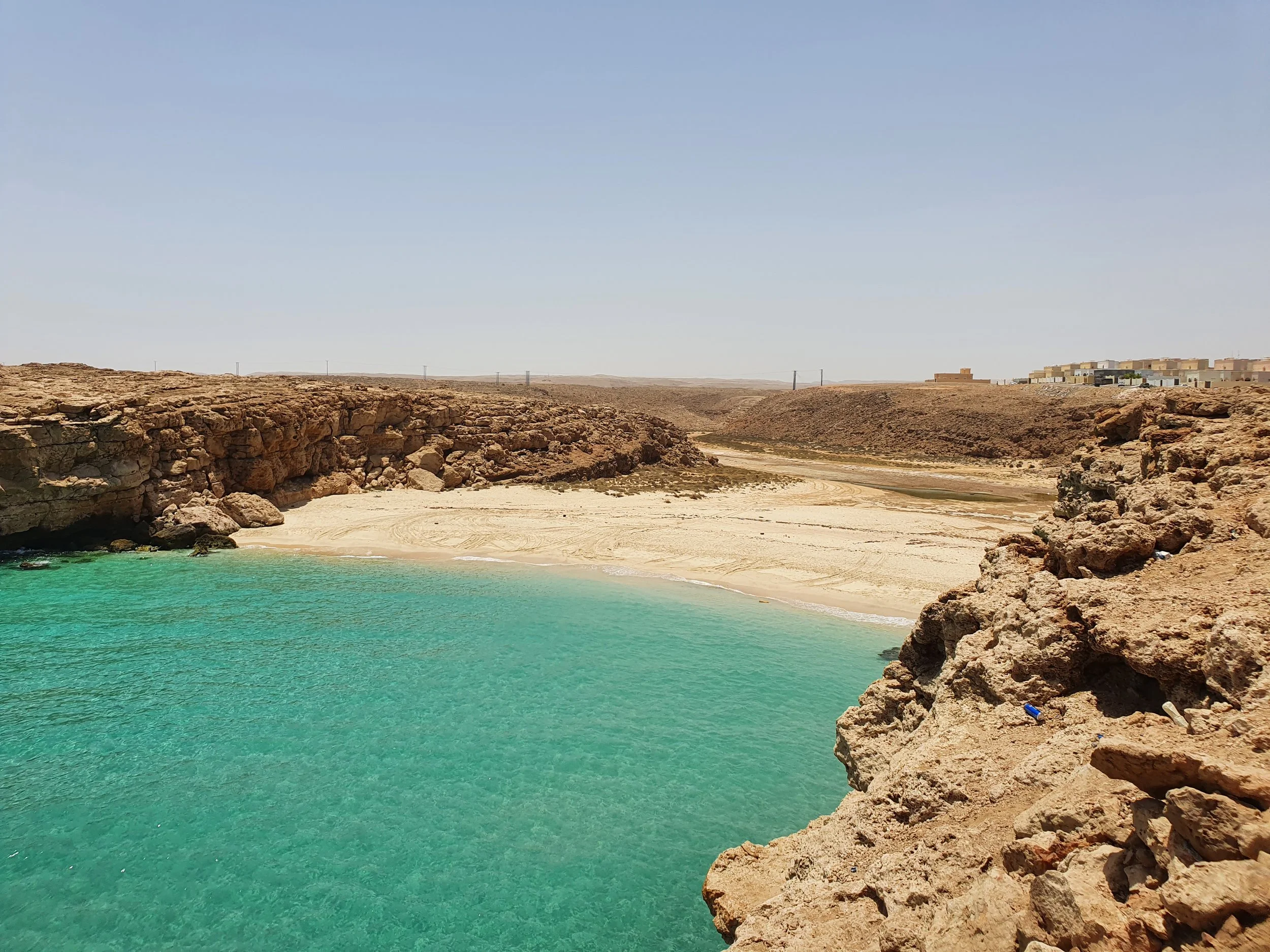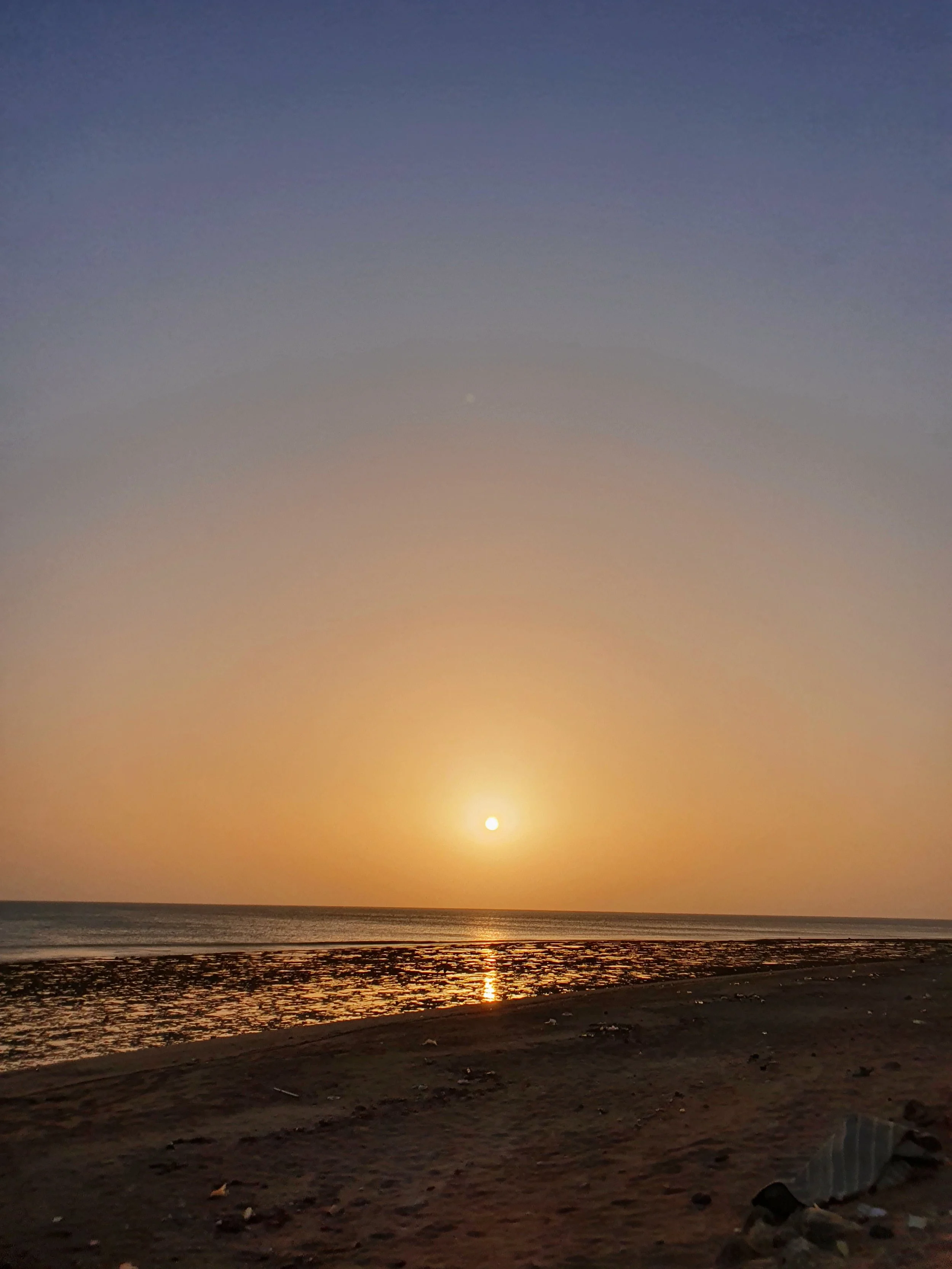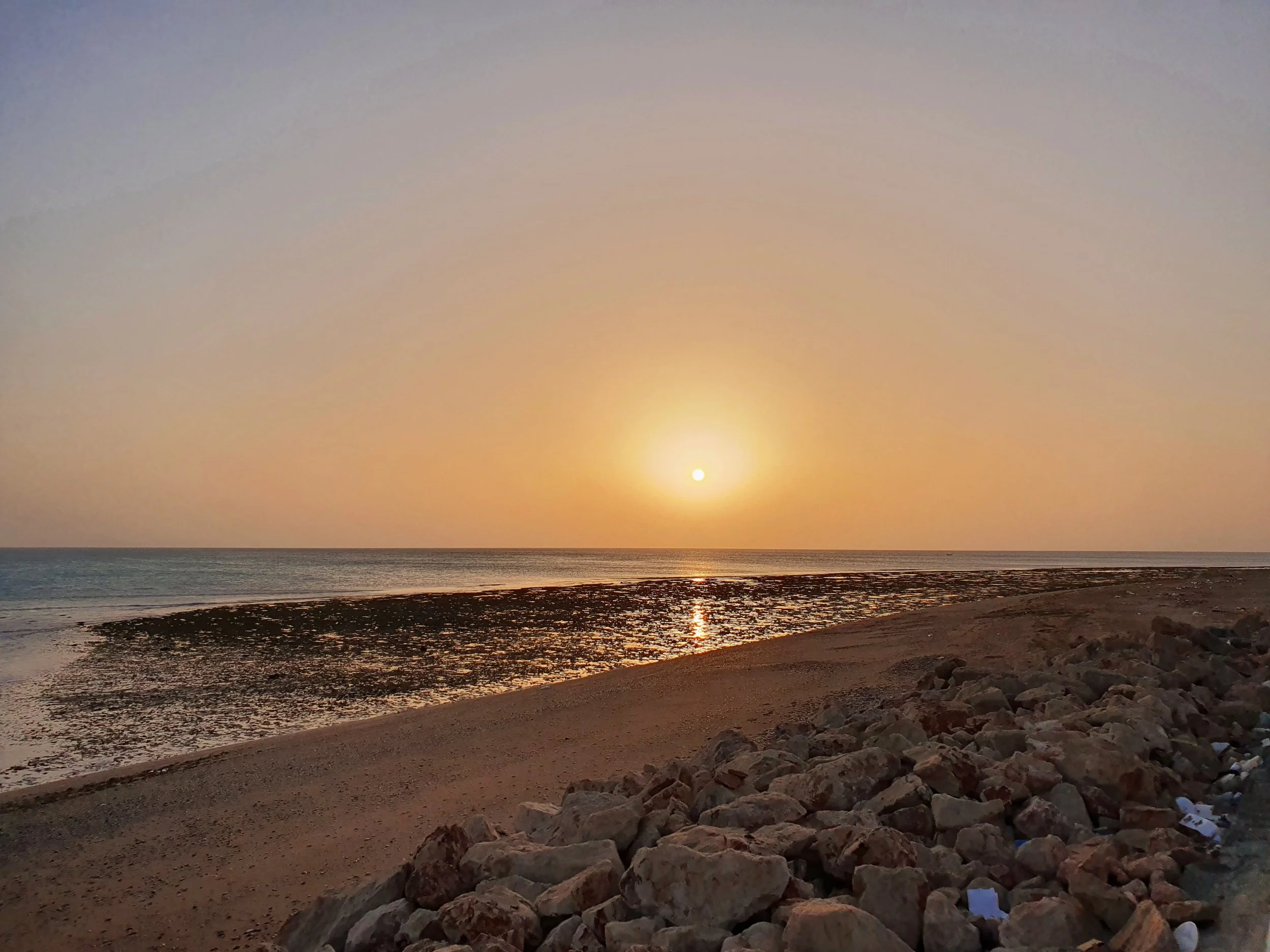
Early morning in sur, before the heat sets in
Sur & Ibra
SUR - The Shipwright Harbor • Maritime Spirit
At a Glance:
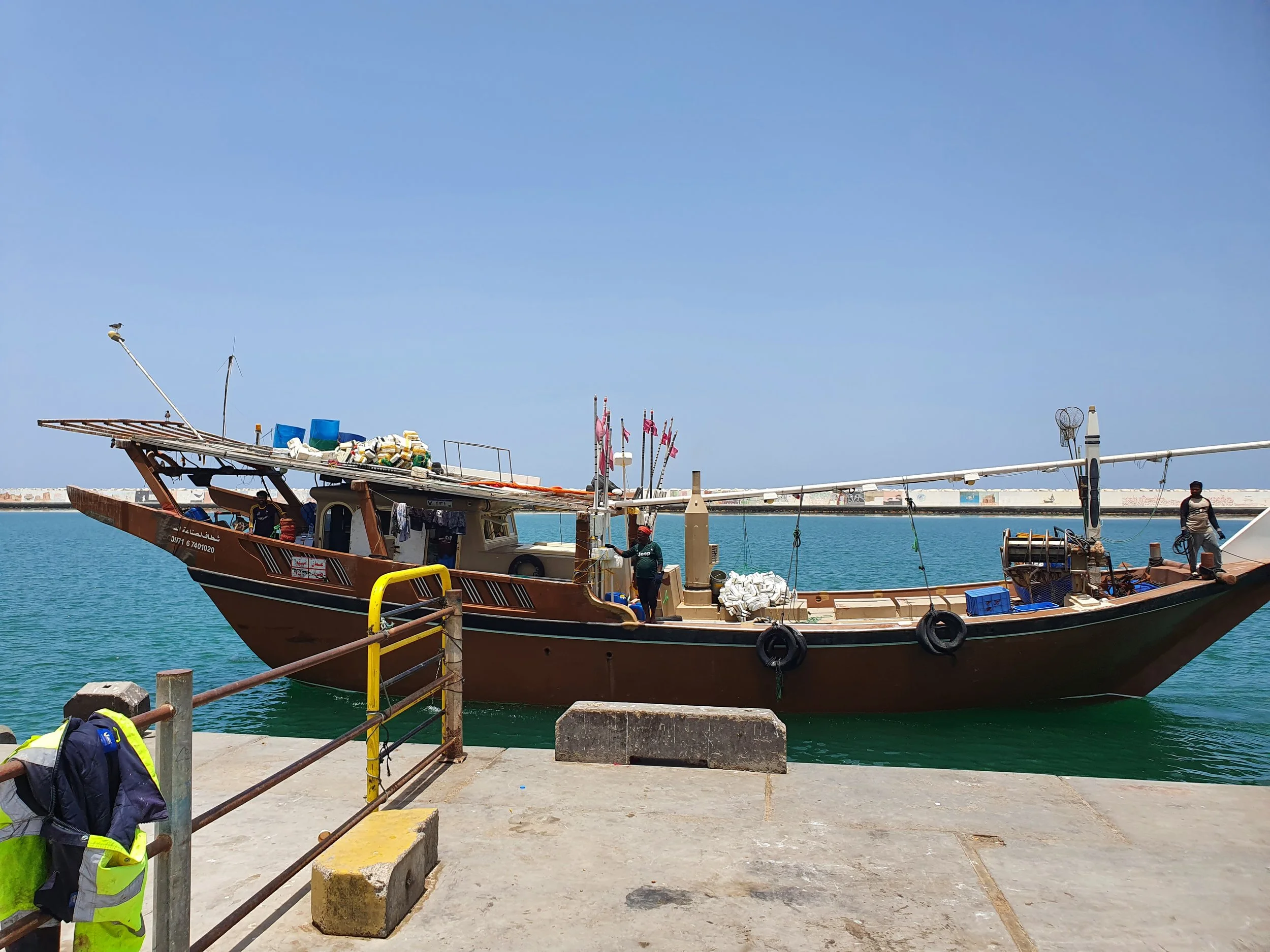
If Muscat commands the nation, Sur commands the sea. For thousands of years, this historic coastal enclave hand-built the ocean-going wooden dhows that carried Omani frankincense, dates, and trade empires across the Indian Ocean to Zanzibar, India, and China.
• ⛵ Living Dhow Shipyards: The world’s last remaining traditional artisanal shipyards, hand-crafting wooden Ghanjah dhows with ancestral mallet and teak techniques.
• 🐢 Ancient Ocean Sanctuary: Gateway to Ras Al Jinz, the world-famous coastal reserve where thousands of endangered green sea turtles nest year-round.
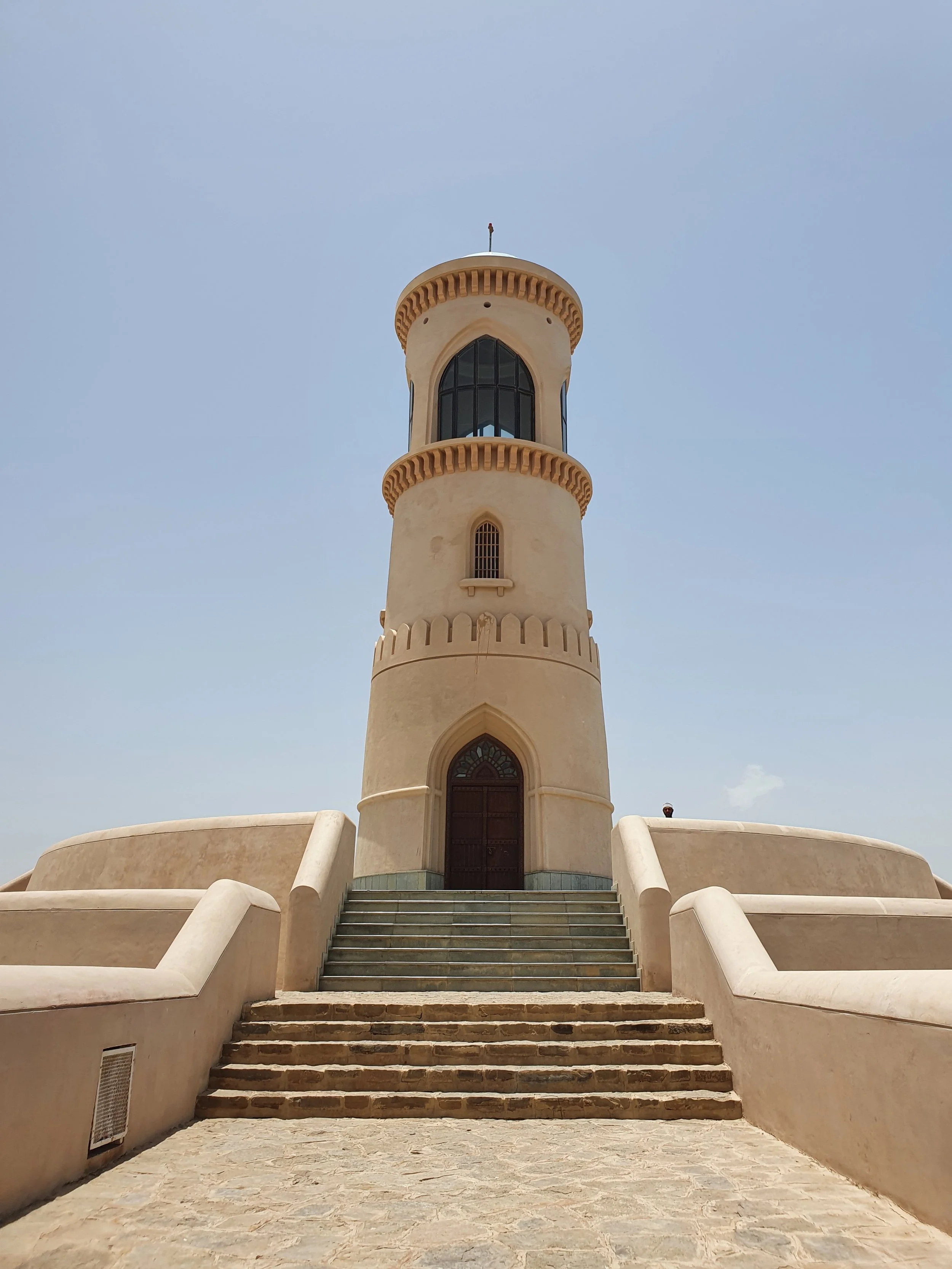
• 🏰 Coastal Watchtowers & Fjords: Al Ayjah’s historic lighthouse and twin hilltop watchtowers guarding a tranquil turquoise tidal lagoon.
Step inside the artisanal dhow factory in the morning to hear the rhythmic thud of wooden mallets driving cotton and oil into teak seams. Unbroken living history.
IBRA - The Desert Gateway • Sharqiya Heritage
At a Glance:
If Nizwa anchors the Hajar mountains, Ibra opens the gates to the golden wilderness of the Sharqiya Sands. An ancient oasis city of two-story mudbrick merchant manors, historic falaj irrigation channels, and legendary Bedouin trading traditions that thrive to this day.
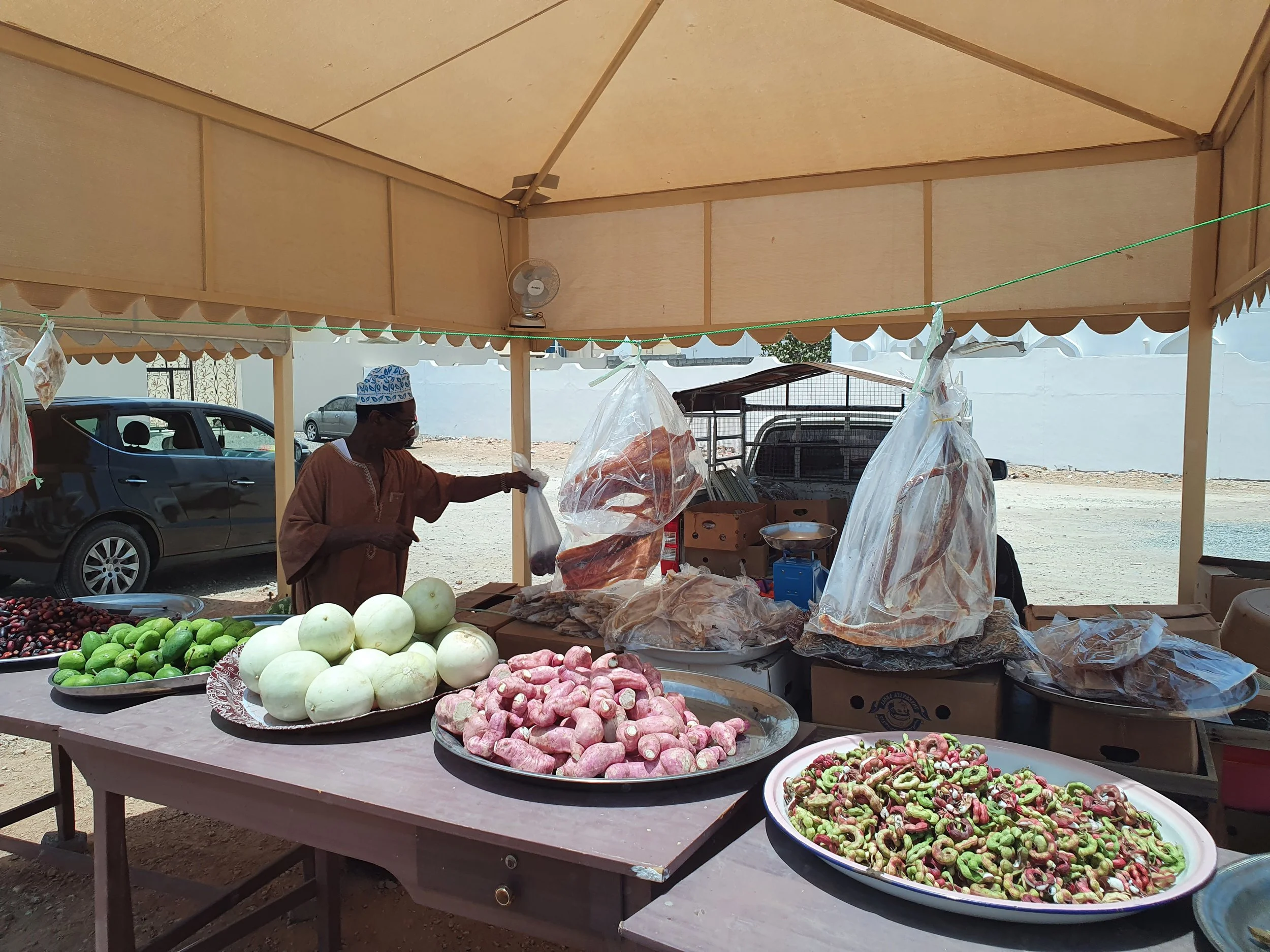
• 🛍️ Legendary Wednesday Women’s Souq: A vibrant, centuries-old marketplace operated exclusively by and for Bedouin and townswomen from across the Sharqiya region.
• 🏜️ Sharqiya Sands Launchpad: The ultimate basecamp for desert dune crossings, camel treks, and starlit Bedouin glamping in rolling golden sands.
• 🏛️ Al Munisifeh Historic Quarter: Towering two-century-old mudbrick fortresses and merchant estates testifying to historic trade wealth with East Africa.
Arrive by 07:00 AM on Wednesday to experience the vibrant colors and scents of the Women’s Souq, then explore the sun-dappled mudbrick ruins of Al Munisifeh before noon.
Where sea and desert come together
-
THE TWIN PIONEERS
One Faced the Ocean, the Other Ruled the Desert
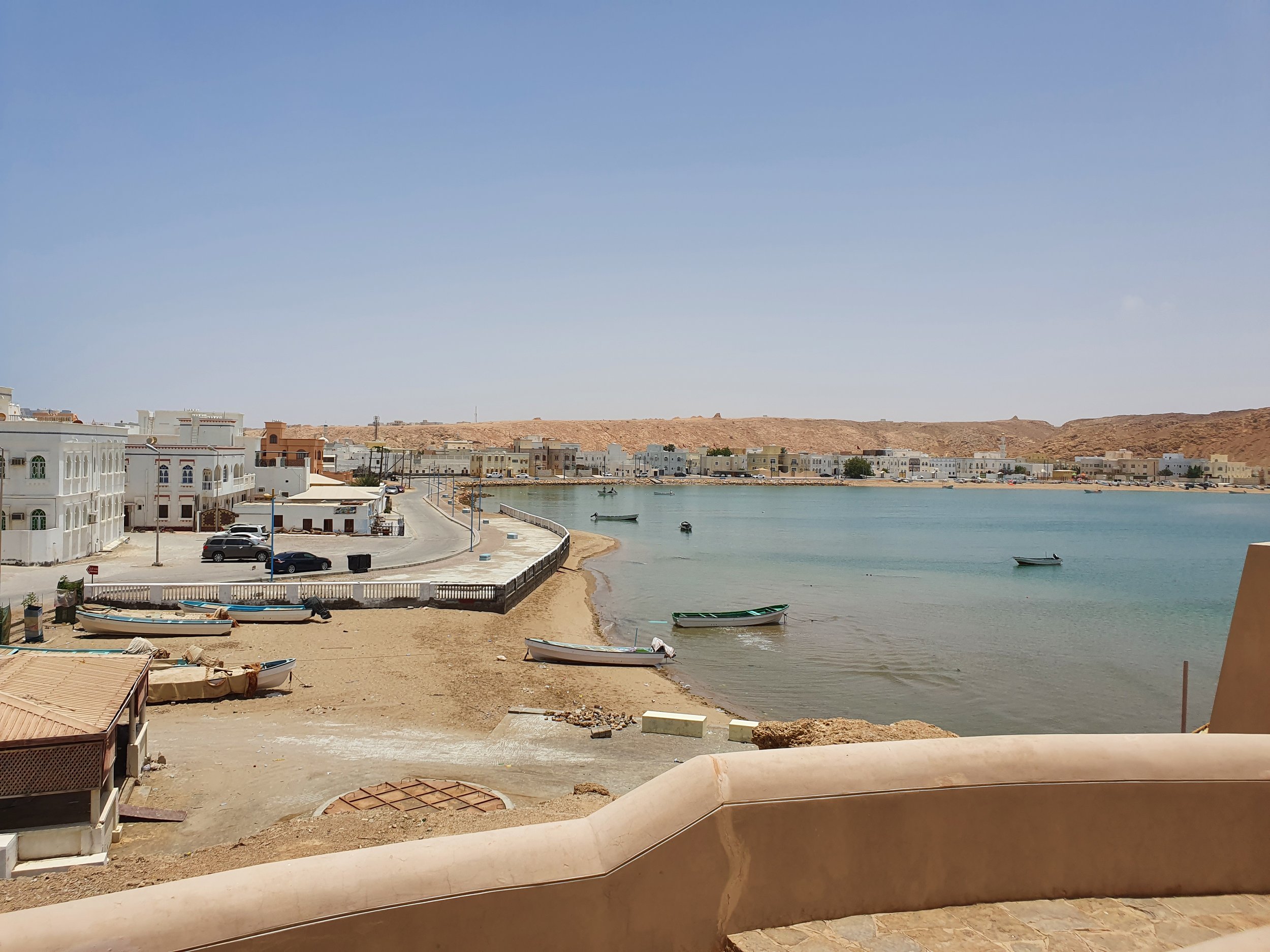
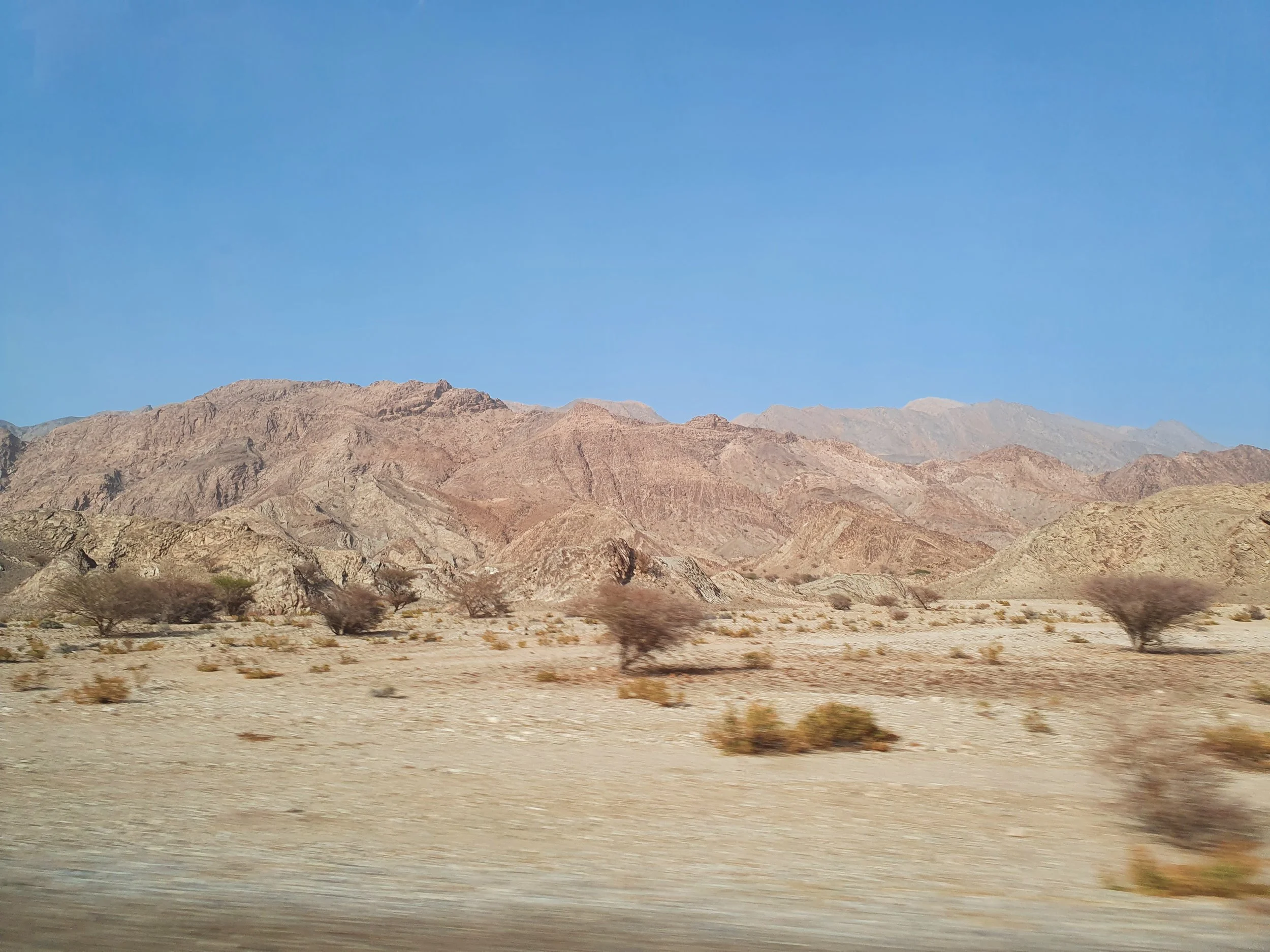
Sur and Ibra are separated by less than a hundred kilometers of dramatic Omani terrain, yet they could not be more different. Sur is a coastal city of deep-water inlets, dramatic fjord-like rock formations, and a maritime tradition stretching back thousands of years. Ibra is an inland desert settlement that thrived as a commercial crossroads where Bedouin trading caravans met merchant families from across the Sharqiyah region. Together, they represent two sides of the same Omani story — the relentless drive to trade, explore, and connect.
-
WHAT YOU WILL DISCOVER
Dhows, Turtles, and Ancient Mansions
In Sur, visit the traditional Dhow Factory — one of the last places on earth where these majestic wooden sailing vessels are still built entirely by hand, plank by plank, using techniques passed down for centuries. Then drive south to the Ras Al Jinz Turtle Reserve, where endangered green sea turtles return each night to nest on the same beaches their ancestors have used for thousands of years. In Ibra, the atmosphere shifts entirely. The famous Wednesday Market is a vibrant, women-led trading event unlike anything else in the Gulf. And just outside the town center, the crumbling mud-brick mansions of Al Minzifah tell the story of wealthy merchant families who once controlled the desert trade routes. Best explored from September through April.
-
WHY SUR & IBRA MATTER
The Authentic Heartland
These are not cities trying to be something they are not. Sur and Ibra are deeply, unapologetically themselves — rooted in traditions that have survived centuries of change. For travelers exhausted by the manufactured experiences of modern tourism, this corner of Oman offers something increasingly rare: places where the history is real, the people are genuine, and the landscape has not been touched. This is Oman at its most honest.