COASTLINES & OCEANS

Oman's Marine Kingdoms

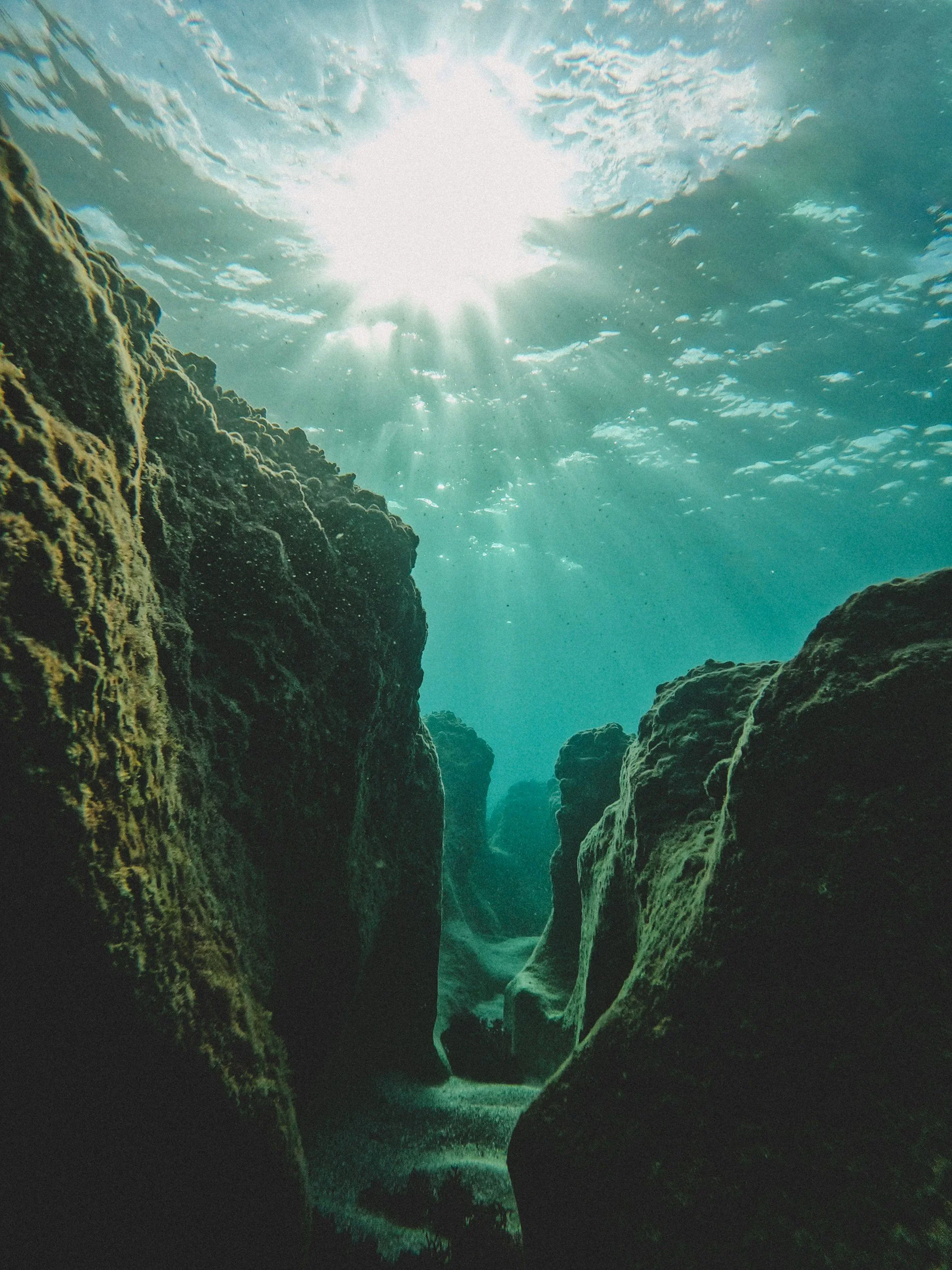
Unveil the wild secrets of the Arabian Sea. Dive into pristine coral kingdoms, camp under starry skies on isolated islands, and discover why the Sultanate is a world-class frontier for marine conservation and sport fishing.

Spectacular Marine Reserves

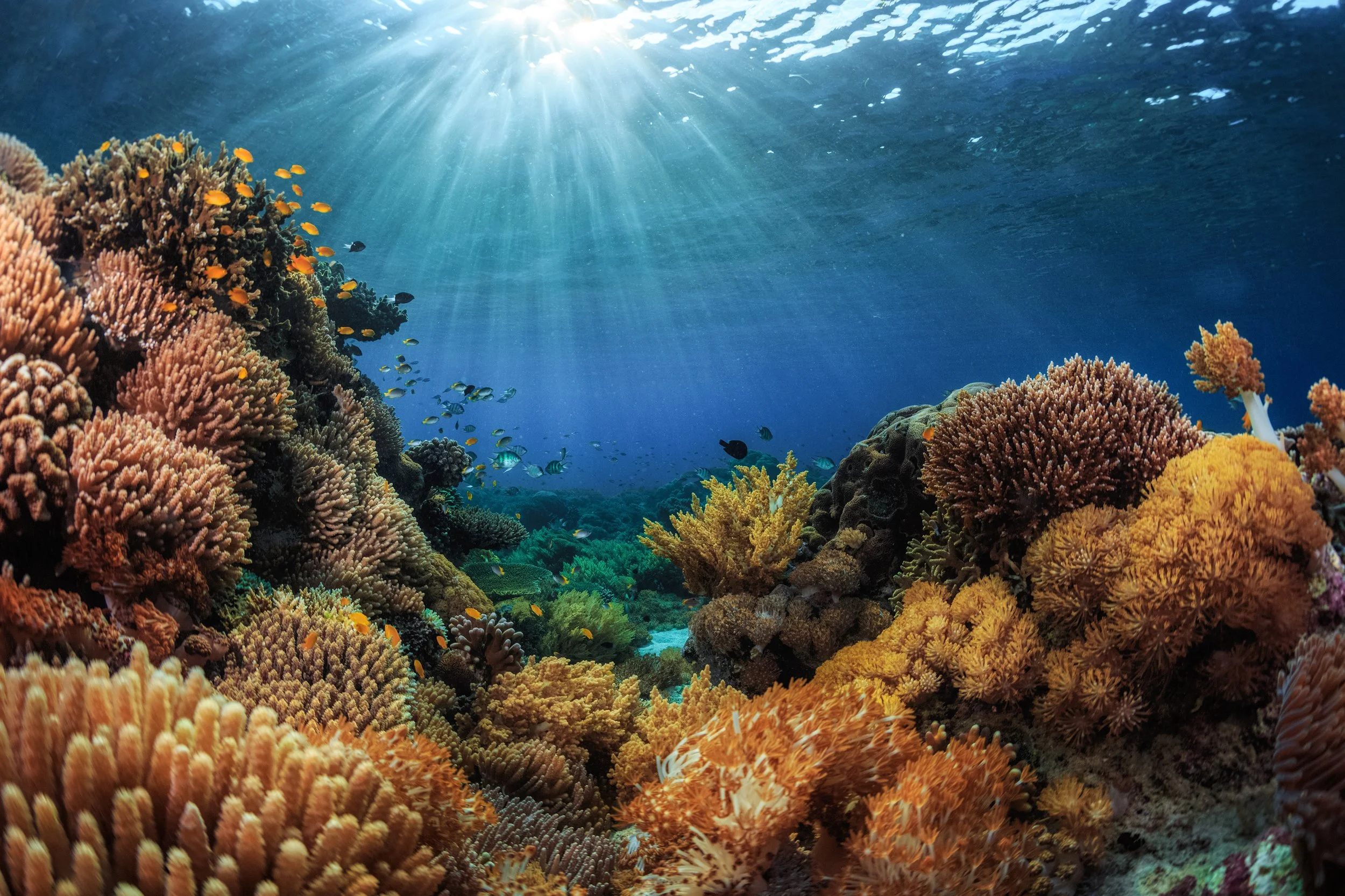
Oman’s unique geographical position at the confluence of the Indian Ocean and the Gulf of Oman feeds a spectacularly diverse ecosystem of reefs, kelp, and migratory pelagics.

🪸

Daymaniyat Islands

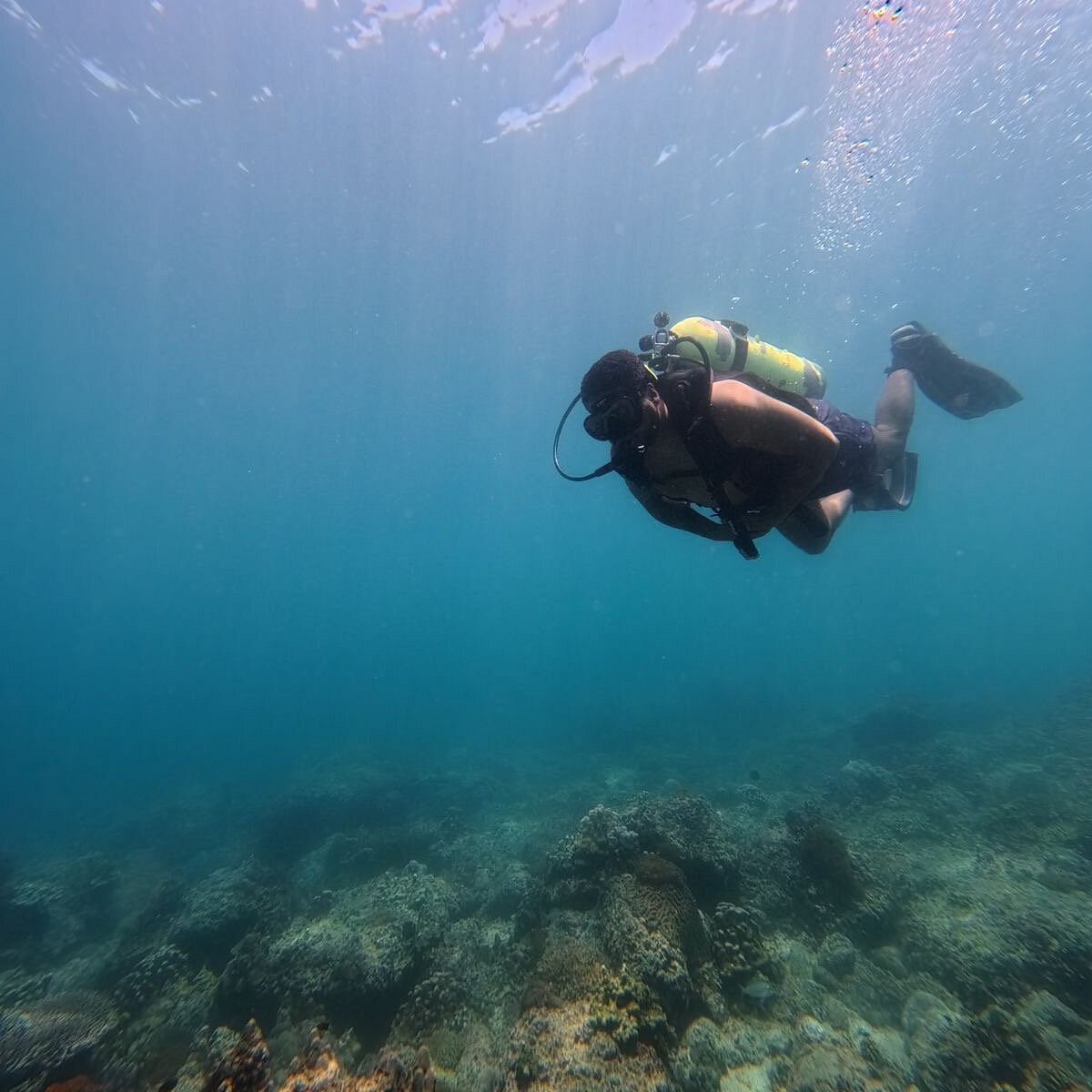
A protected marine reserve often called the "Jewel of Oman." Pristine coral reefs, nesting hawksbill turtles, and whale sharks (September to October) crowd these nine remote islands, providing world-class snorkeling and diving.

⭐ Highlight: Whale Shark Encounters
🦈

Fahal Island (Shark Island)

Just off Muscat's coast, this limestone structure offers deep wall dives, structural swim-throughs, and caves. It is famous for regular encounters with blacktip reef sharks resting on the sandy floor, alongside eagle rays and giant morays.

⭐ Highlight: Caves & Reef Sharks
🛥️

Bandar Khayran

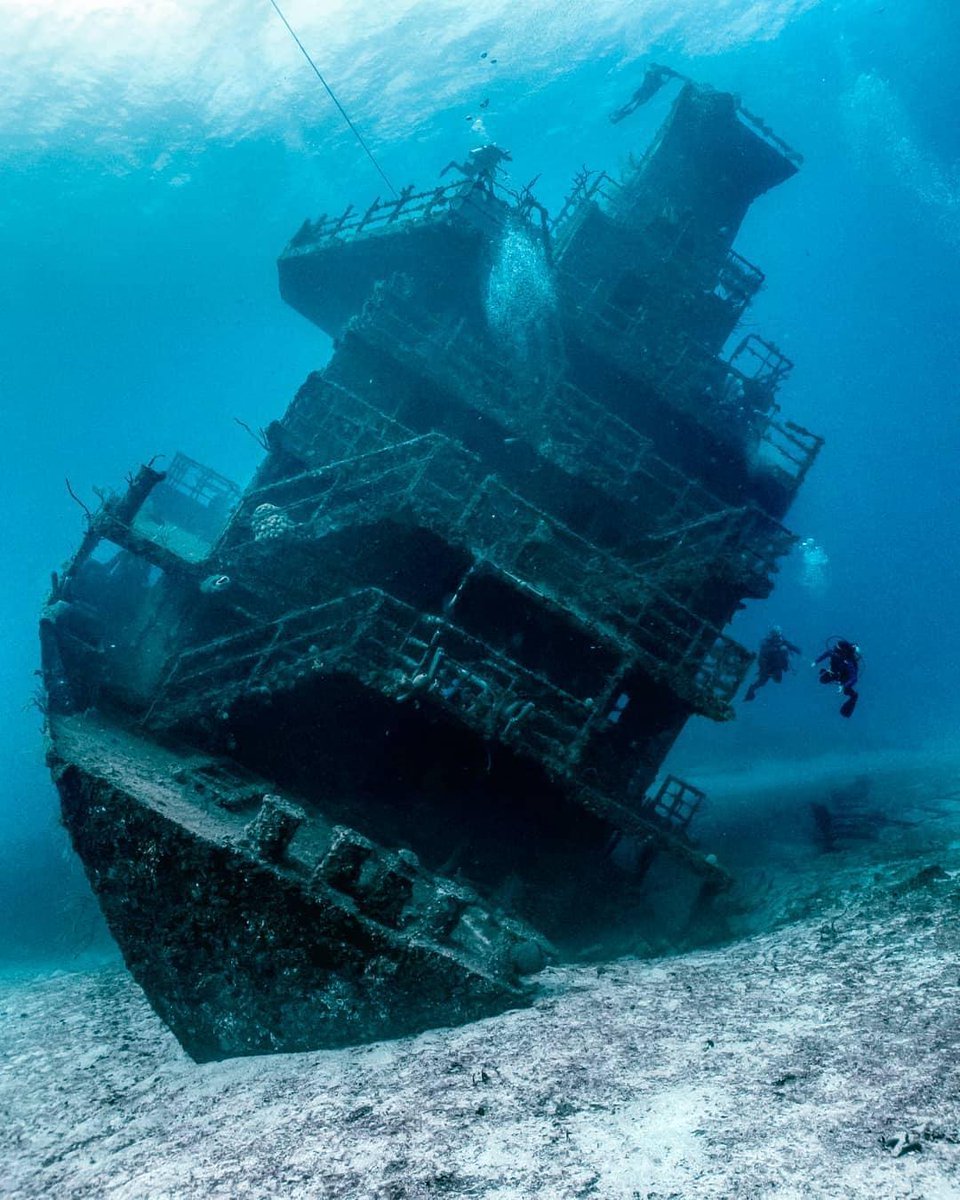
A beautiful series of sheltered bays, fjords, and mangrove forests near Muscat. Home to shallow reefs perfect for families and the Al Munassir shipwreck—an 84-meter vessel sunk intentionally to create an artificial reef.

⭐ Highlight: Al Munassir Wreck Dive
🐚

Mirbat

A global ocean anomaly in southern Oman. During the summer monsoon (Khareef), cold upwellings create temporary kelp forests that grow alongside tropical coral reefs, allowing divers to see two distinct marine worlds side-by-side.

⭐ Highlight: Coral & Kelp Symbiosis
WILD ISOLATION

Sea Camping on Oman's Remote Islands

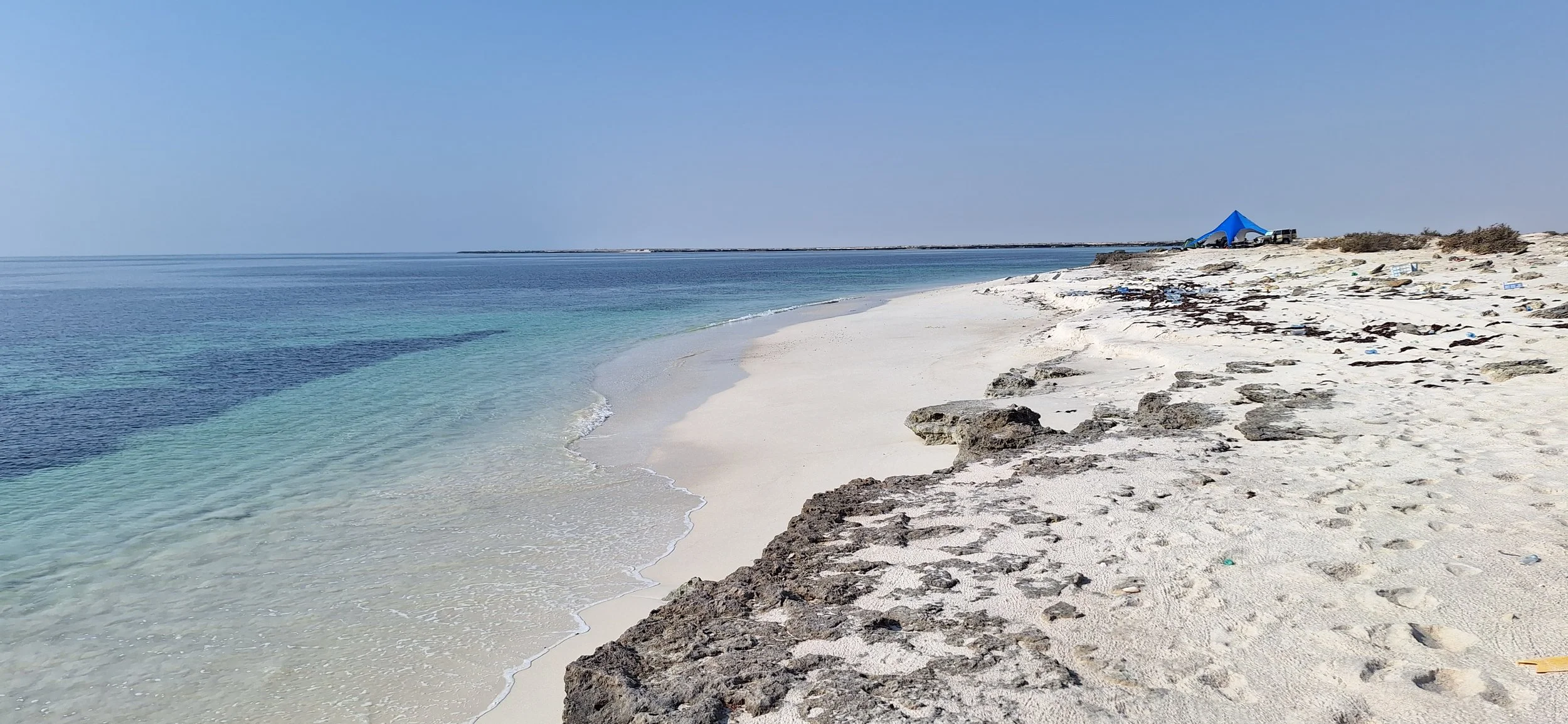
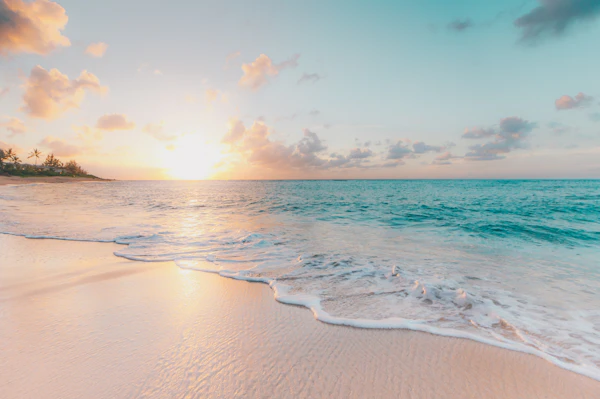
Escape the noise of modern life by pitching a tent on the white sand beaches of Oman’s marine islands. Camping here is an exercise in absolute simplicity: warm sea breezes, absolute silence, and bioluminescent waters washing the shore.

  • Daymaniyat Islands: Camp on designated beaches under permit. Enjoy absolute seclusion surrounded by protected coral waters and nesting marine birds.
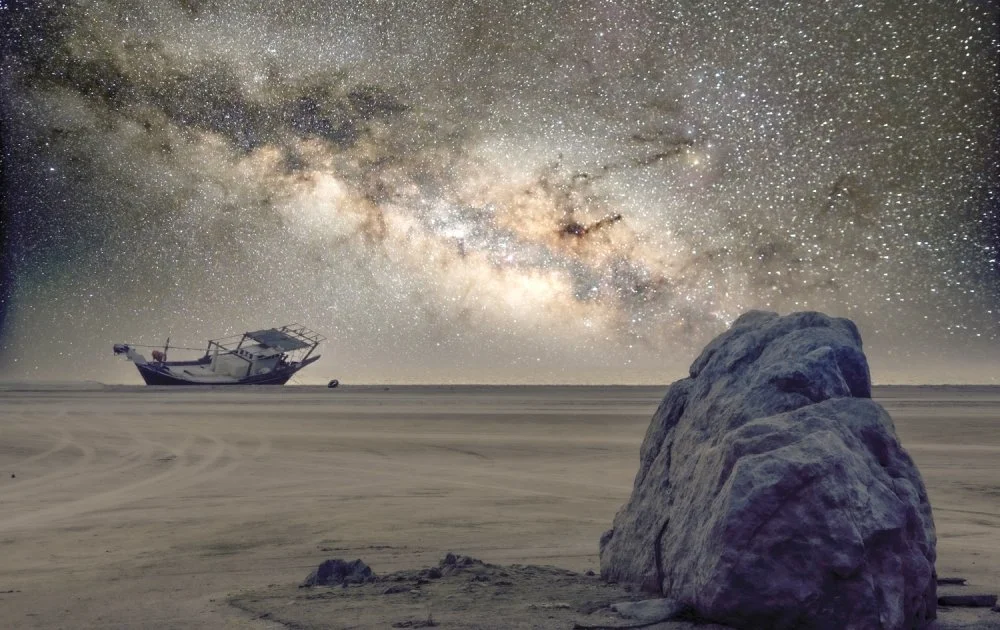
  • Masirah Island: The massive, wind-swept island on Oman's eastern coast is a wild camping paradise, perfect for stargazing, spotting nesting Loggerhead turtles, and coastal hiking.
  • Hallaniyat Islands: Pitch camp on remote Southern islands where wild horizons meet migrating humpback whales and dolphins.

Note: To preserve delicate nesting habitats, camping on the Daymaniyat Islands requires a formal permit and is restricted to the winter months.

SPORT FISHING

World-Class Sport Fishing Frontiers

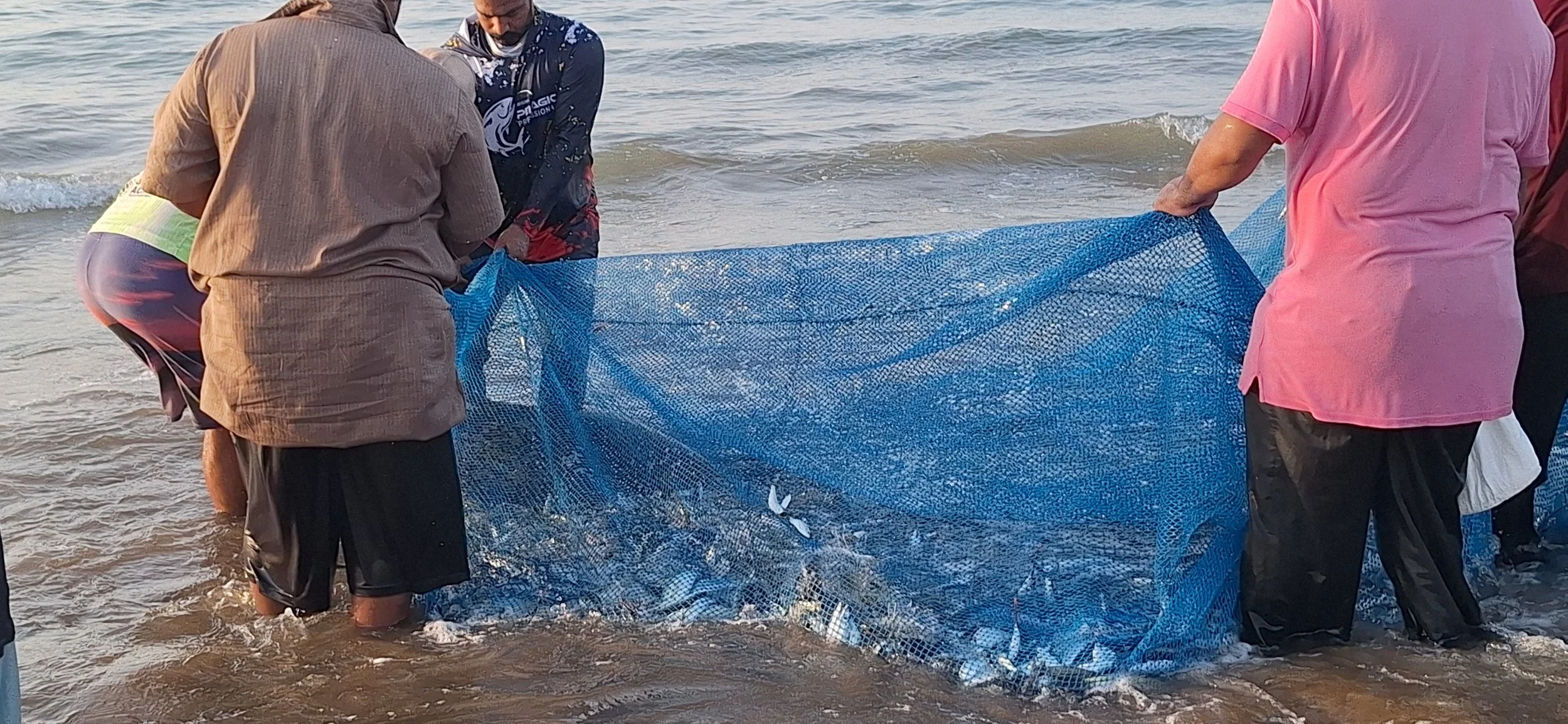
The nutrient-rich currents of the Arabian Sea feed a world-renowned sport fishing playground. Offering access to deep drop-offs and open ocean shelves close to the shore, the Sultanate has become a bucket-list destination for anglers chasing record-breaking pelagics.

  • Giant Trevally (GT): Southern Oman (Shuwaymiyah and Hasik) is recognized as the world's premier destination for heavy tackle popping, where GTs exceeding 50kg are regularly caught and released.
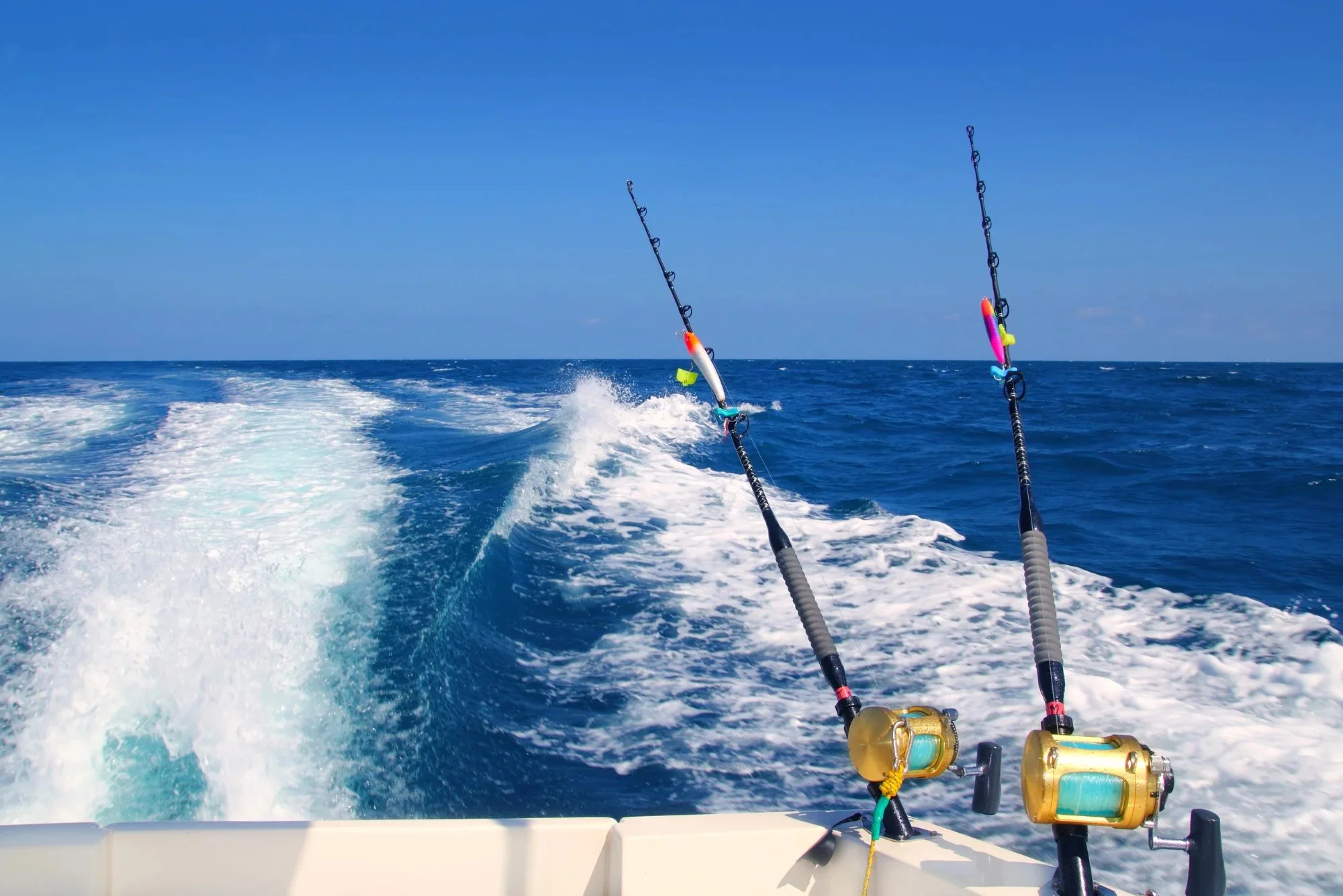
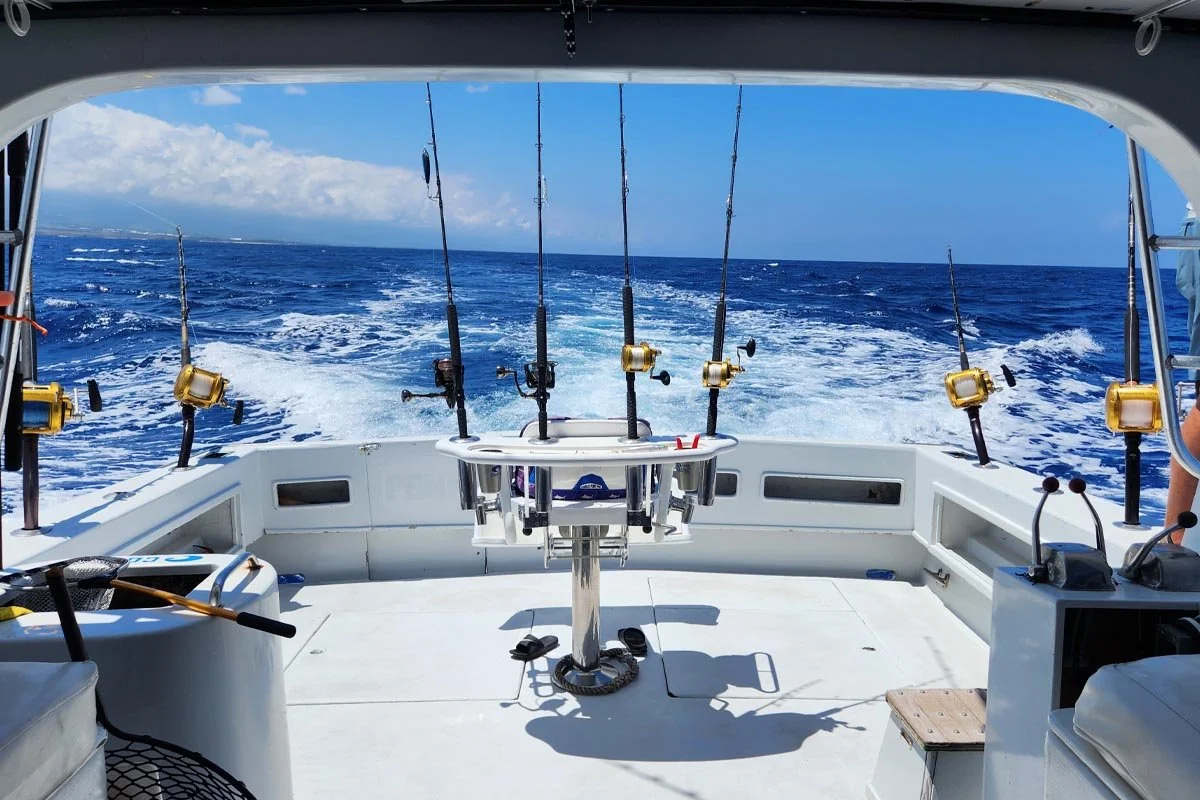
  • Yellowfin Tuna & Mahi-Mahi: Fast pelagic cruisers run the deep waters just off Muscat and Sur, providing thrilling trolling action.
  • The Musandam Fjords: Deep, vertical cliffs and strong currents create excellent grounds for casting, jigging, and trolling for Sailfish and Kingfish.

Conservation Commitment: Anglers are highly encouraged to practice catch-and-release, especially for reef dwellers and giant breeding-size GTs, to protect Omani fisheries.

PLANNING TOOLS

The Marine Travel Logbook

Diver Guide & Safety

Whether you are a seasoned technical diver or a beginner snorkeler, Oman’s waters offer accessible entries and reliable dive centers. Keep these essentials in mind:

🗓️ Peak Diving Season

The optimal diving window is from April to May and September to November when waters are warm (27°C) and visibility is best (up to 20m).

🪼 Plankton Blooms

Nutrient-rich water brings plankton blooms in summer. While visibility drops, this is the prime time to encounter whale sharks and manta rays.

🧴 Reef-Safe Sunscreen

Please use only physical, mineral-based sunscreens (zinc oxide or titanium dioxide) to prevent coral bleaching in sensitive reserves.

Camping Permits & Leave-No-Trace

Island camping requires careful preparation and respect for wild ecosystems. Oman protects its islands to allow sea turtles and migratory sea birds to nest in safety.

📜 Permit Process

Camping on the Daymaniyat Islands requires a permit from the Environment Authority. Standard permits cost OMR 5 per night per person. Masirah Island does not require permits.

❄️ Seasonal Windows

Daymaniyat Islands camping is permitted only from November 1 to April 30. During the summer, the islands are closed to camping to protect nesting turtles.

🚮 Leave-No-Trace

There are no trash bins or water facilities on the islands. You must carry all trash back to the mainland. Open campfires on sand are prohibited; use elevated grills instead.

Bilateral Sport Fishing Log

Oman’s migratory currents produce specific seasonality windows for sport fishing. Working with a registered, licensed local charter is the best way to secure your catch.

🎣 Peak Months

Muscat/North: Yellowfin Tuna and Mahi-Mahi run best from September to March.
Southern Oman: Giant Trevally popping is at its peak from October to April.

⚓ Licensing

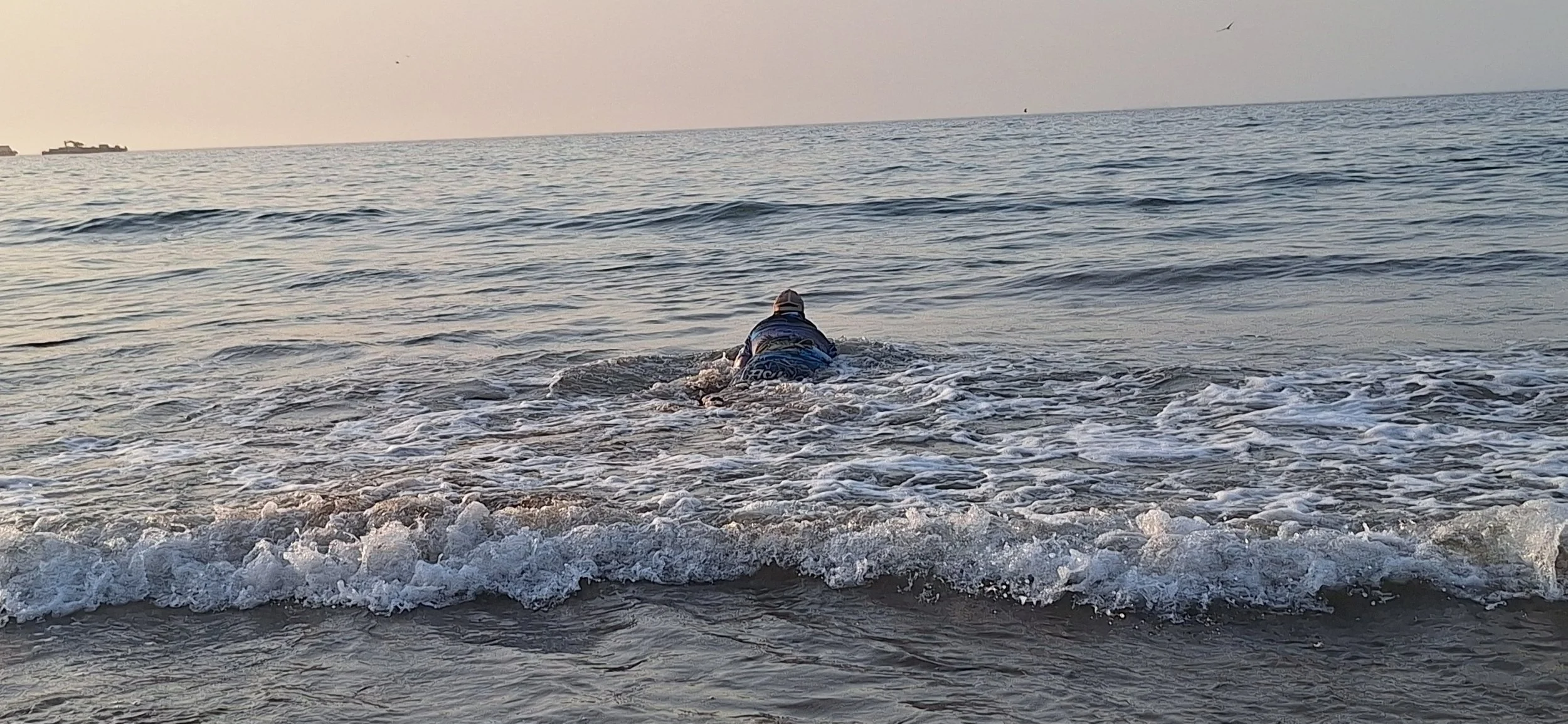
Recreational beach casting does not require a license. However, deep-sea boat fishing requires registered charters who manage all licensing and coast guard security clearances.

🐟 Protected Species

Certain reef species and billfish have strict size limits or catch-and-release rules. Discuss catch-and-release with your skipper prior to departure.