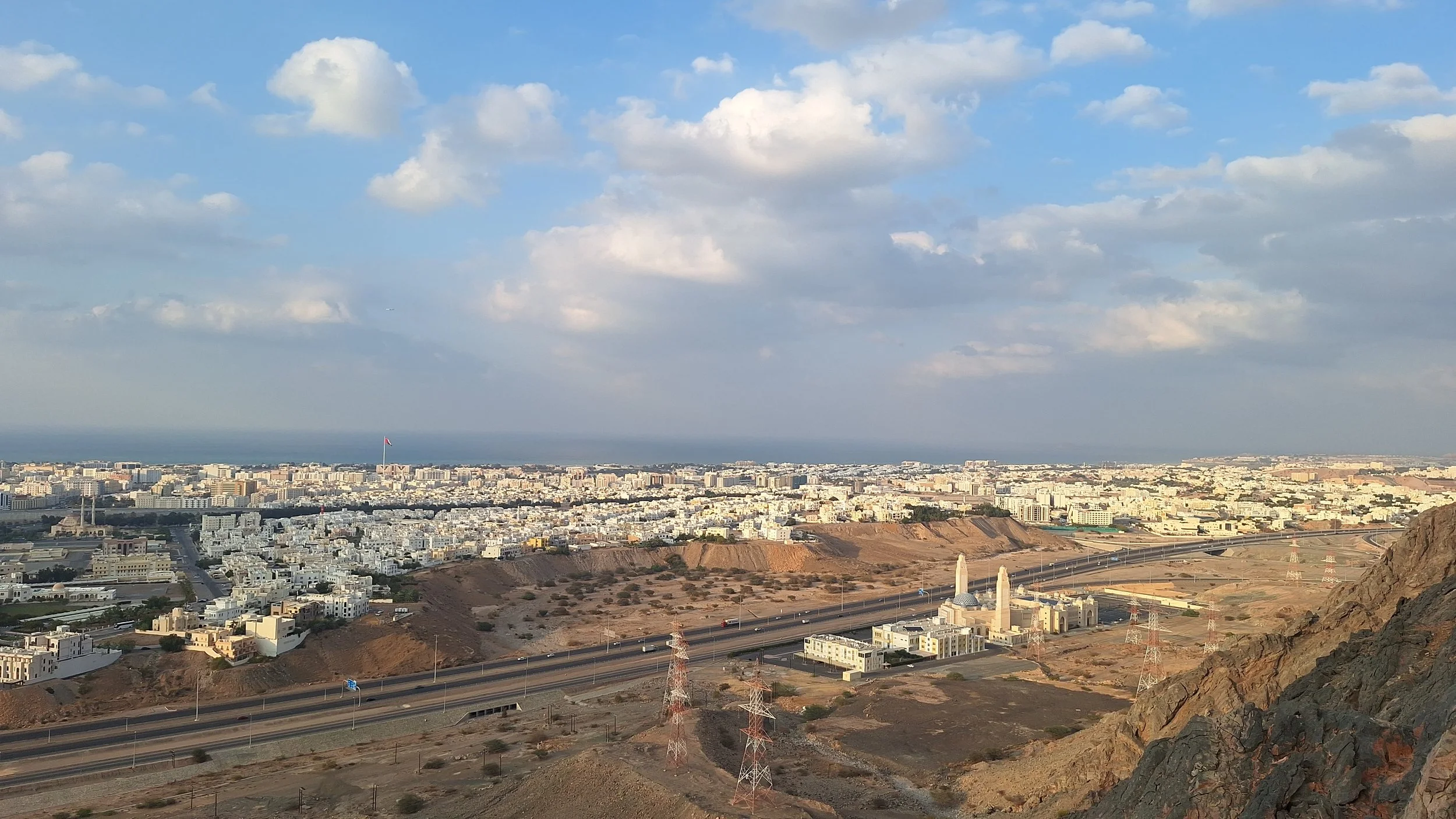
the capital Muscat, between the mountains and the sea.
6 Main Cities in Oman
THE URBAN TAPESTRY
From Coasts to Mountains
Oman’s cities are not mere concrete jungles, but distinct cultural ecosystems shaped by their geography. From the lush, subtropical coastline of Salalah in the south to the fortified mountain oases of Nizwa, each city offers a radically different climate, landscape, and historical identity.
Even the new cities are a call to wellness and wellbeing. Read more - real estate.
HERITAGE & ARCHITECTURE
Preserving the Authentic
Unlike its high-rise regional neighbors, Oman strictly preserves its traditional architectural heritage. The skyline of every major city is defined by majestic Grand Mosques, centuries-old defensive forts, and bustling traditional souqs rather than glass skyscrapers, offering the most authentic urban experience in the Gulf.
ECONOMIC VISION
The Future of Commerce
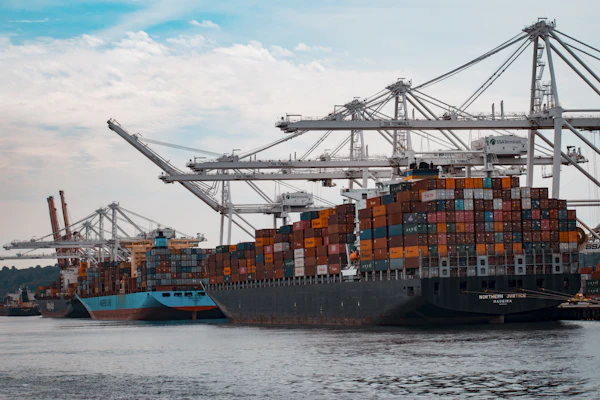
Driven by Vision 2040, Oman’s urban centers are rapidly evolving into global economic powerhouses. Cities like Duqm and Sohar are leading this transition with massive, world-class deep-water ports, sprawling corporate free-zones, and pioneering green hydrogen energy projects.
General tips
Timing matters: visit Salalah during khareef for greenery; other cities are most pleasant in cooler months (October–April).
Transport: Muscat and Salalah have international airports; road travel is straightforward with well-maintained highways connecting major cities.
BEWARE: Omani tend to not use signal at roundabouts. You have to follow the lane you choose.
Respect local customs: dress modestly at religious and heritage sites, and follow local etiquette.
Oman’s major cities each offer distinct experiences — from Muscat’s cultural institutions and marine activities to Salalah’s monsoon-fed nature, Nizwa’s heritage markets and Sur’s seafaring traditions — making the sultanate rich in varied tourist opportunities.
Discover Oman’s main cities — gateways to investment, heritage and sustainable tourism. Each city offers unique opportunities for business, leisure and long-term living, supported by stable infrastructure, pro-business policies and breathtaking natural surroundings.
The first impressions
Oman and its cities
-
A COUNTRY OF CONTRASTS
Six Cities, Six Completely Different Worlds
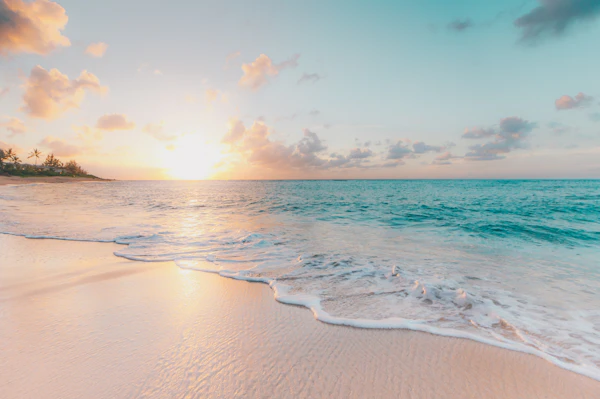
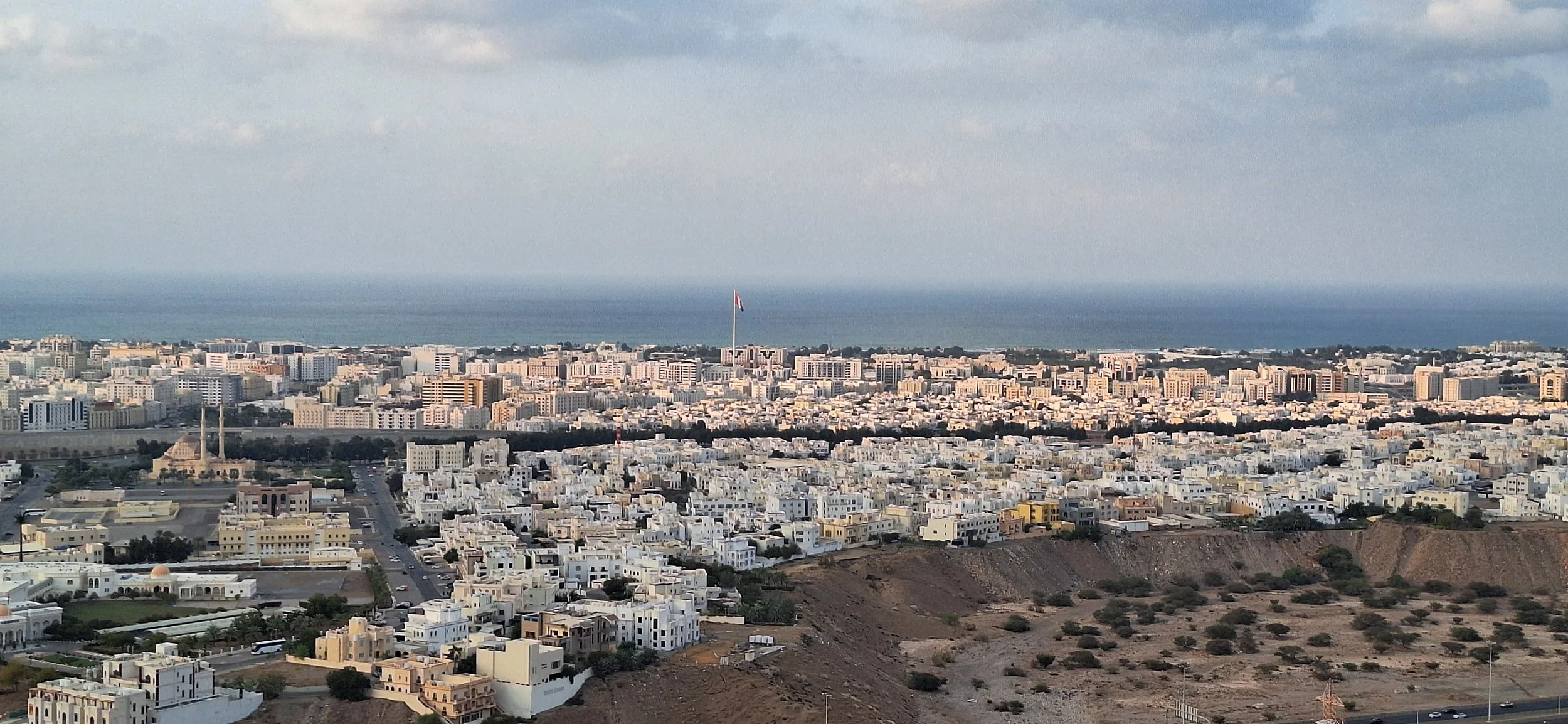
Most visitors expect one thing when they arrive in Oman. What they discover is something entirely different. The capital, Muscat, is nestled dramatically between jagged mountains and a turquoise coastline. Fly south to Salalah, and you are suddenly surrounded by waterfalls, tropical greenery, and the intoxicating scent of frankincense. Drive inland to Nizwa, and you step into an ancient fortified oasis where traditional craftsmen still hammer silver by hand. No two cities in Oman look alike, feel alike, or sound alike — and that is precisely the point.
-
BUILT TO LAST, NOT TO IMPRESS
Where Tradition Shapes the Skyline
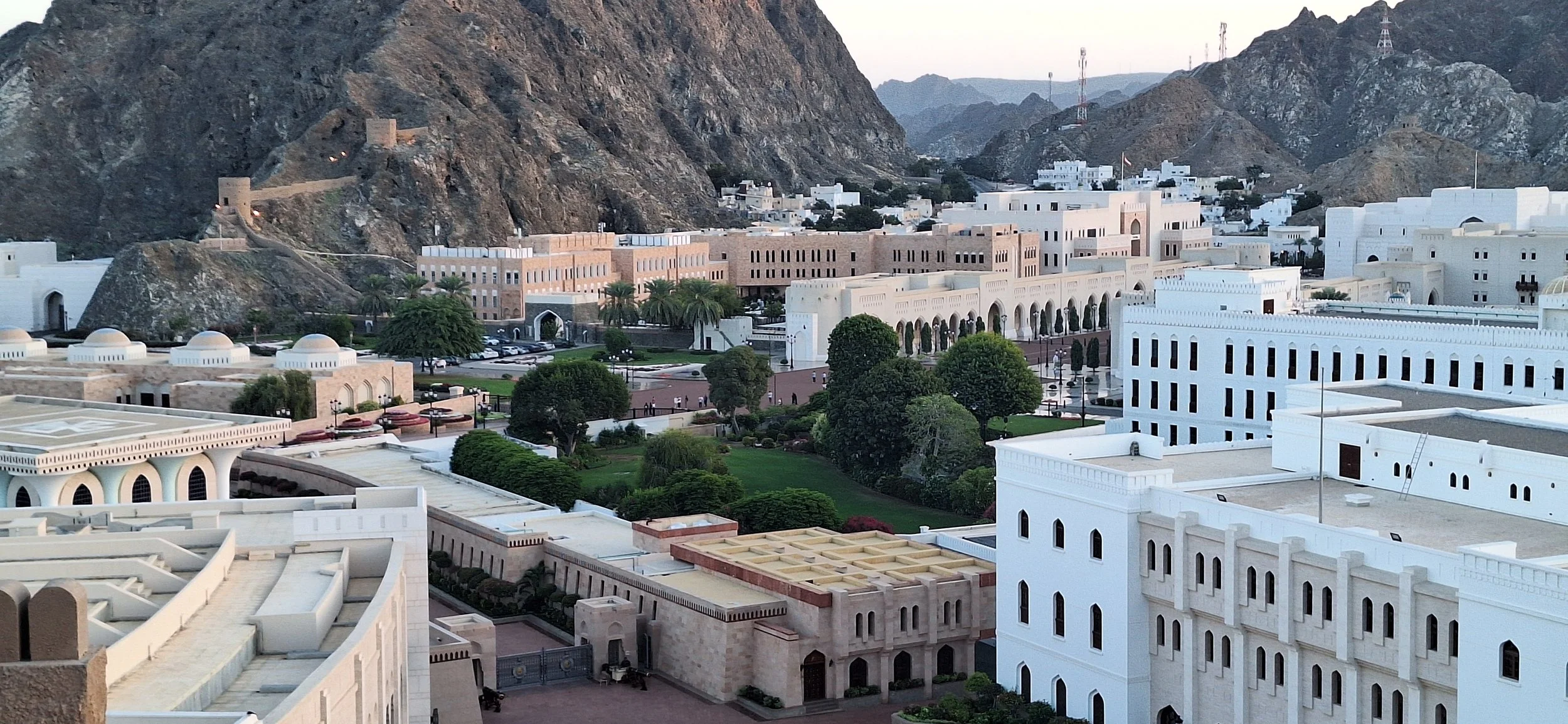
Walk through any city in Oman and you will notice something unusual for the Gulf: there are no endless walls of glass towers competing for attention. Instead, the skyline is shaped by centuries-old forts, elegant Grand Mosques, and winding souqs where traders have sold spices and textiles for generations. This is deliberate. Oman has chosen to protect its architectural soul rather than erase it, creating urban spaces that feel genuine, unhurried, and deeply rooted in their own history. For travelers and investors alike, this authenticity is what makes Oman unforgettable.
-
WHERE OMAN IS HEADING
Quietly Building What Others Talk About
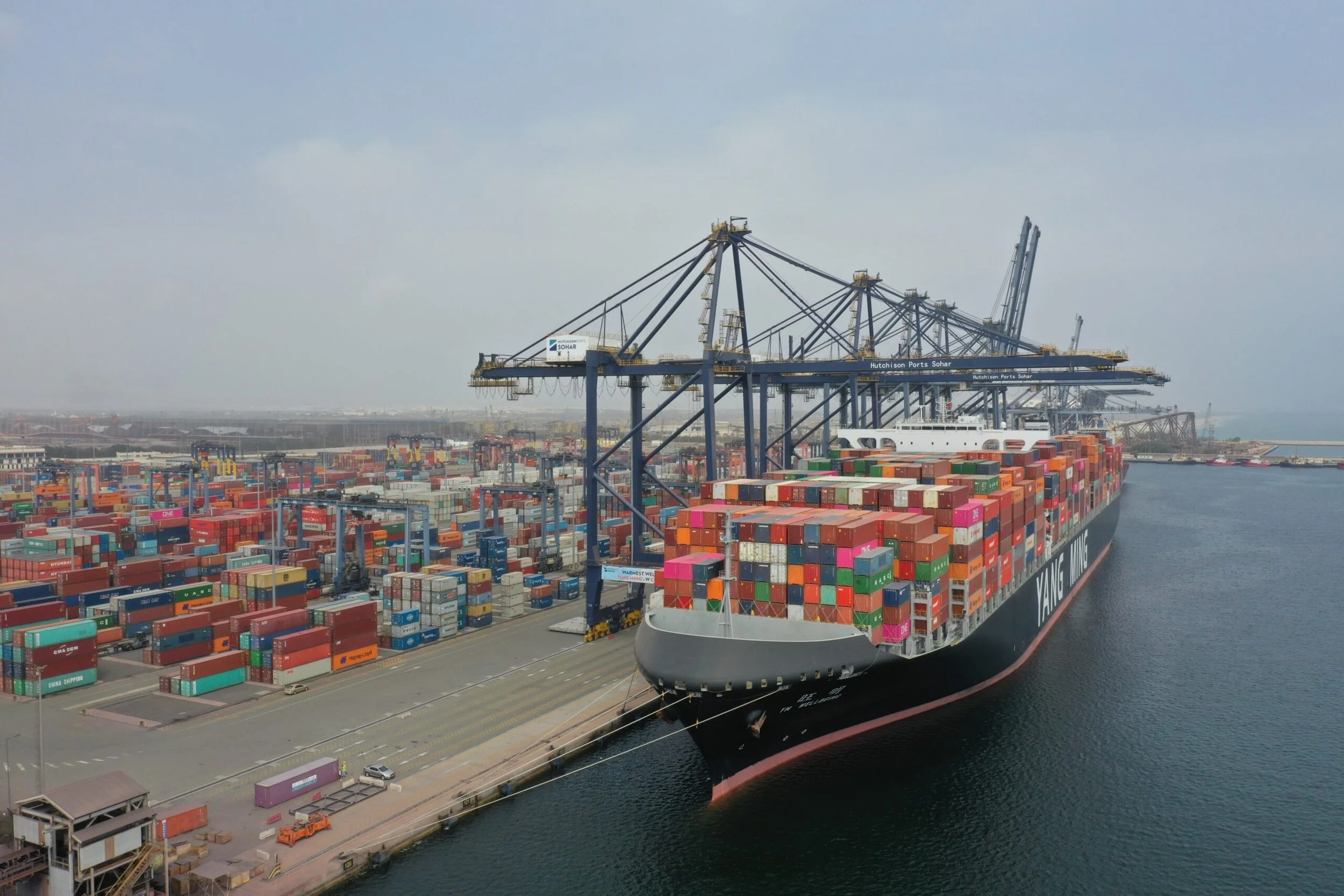
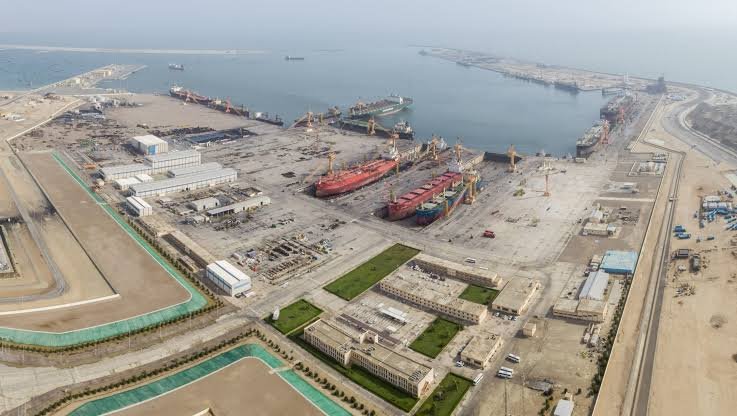
While the world discusses sustainability and economic diversification, Oman is already doing it. The coastal city of Duqm is rising from empty desert into a global logistics corridor with one of the largest drydocks on earth. Sohar has transformed into a major international shipping hub with thriving free-zones attracting corporations from across Asia and Europe. And across the country, Vision 2040 is driving pioneering investments in green hydrogen, renewable energy, and premium tourism infrastructure. Oman does not announce — it delivers.
Modern Highway 15
Batinah Expressway
Scenic Coastal Highway
or 5.5 hrs Drive
Daily Flights (MCT → SLL)
Suggested Multi-City Routes
Click any journey below to preview and trace its path across the map
The Golden Heritage Triangle
Tour the Grand Mosque and Opera House in Muscat, explore Nizwa's historic fort, and camp under the desert stars in Sharqiyah.
North & South Expedition
Contrast the dramatic mountains of northern Oman with the subtropical waterfalls, misty monsoon forests, and ancient frankincense trails of Dhofar.
The Vision 2040 Corridor
Curated for investors and business leaders. Tour deep-water ports, free-zone industrial hubs, and pioneering green hydrogen facilities.
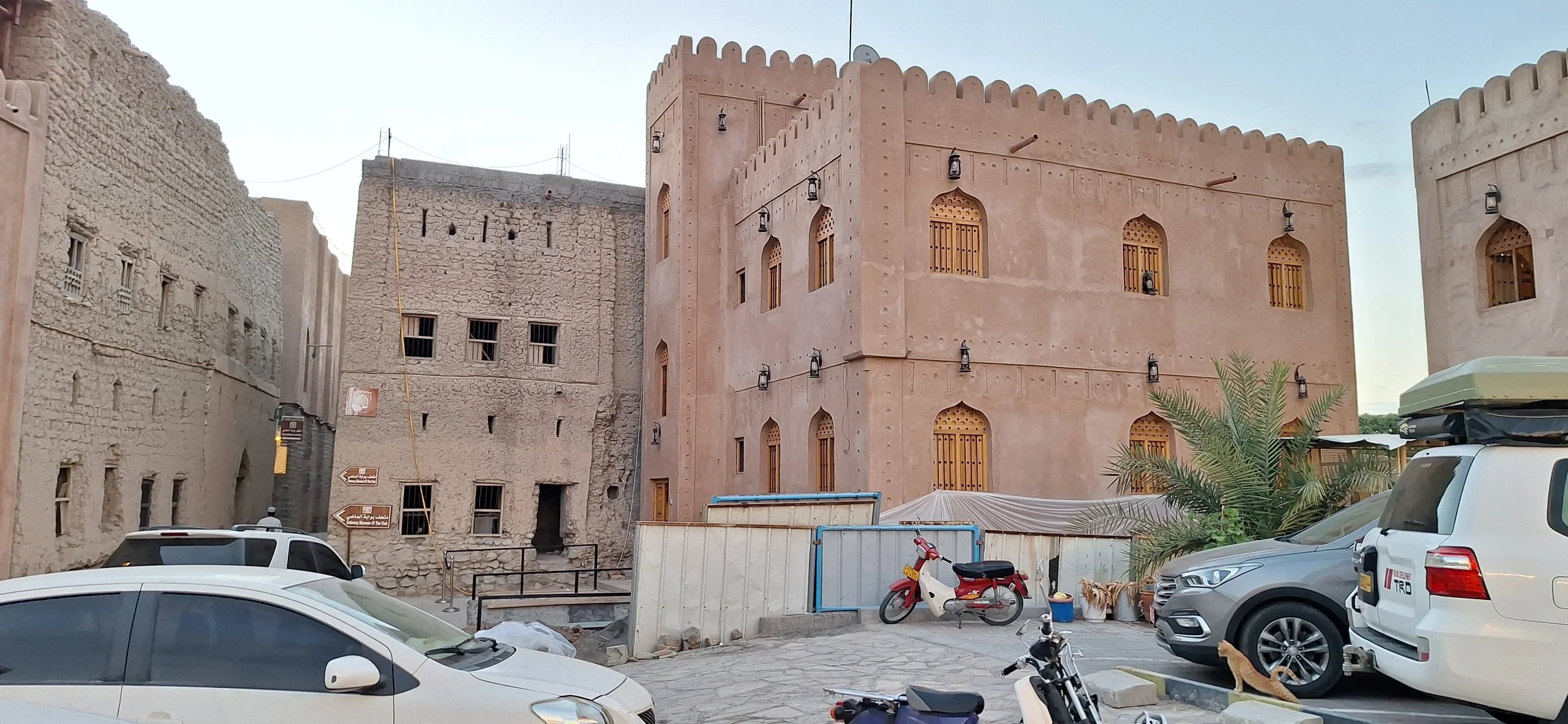
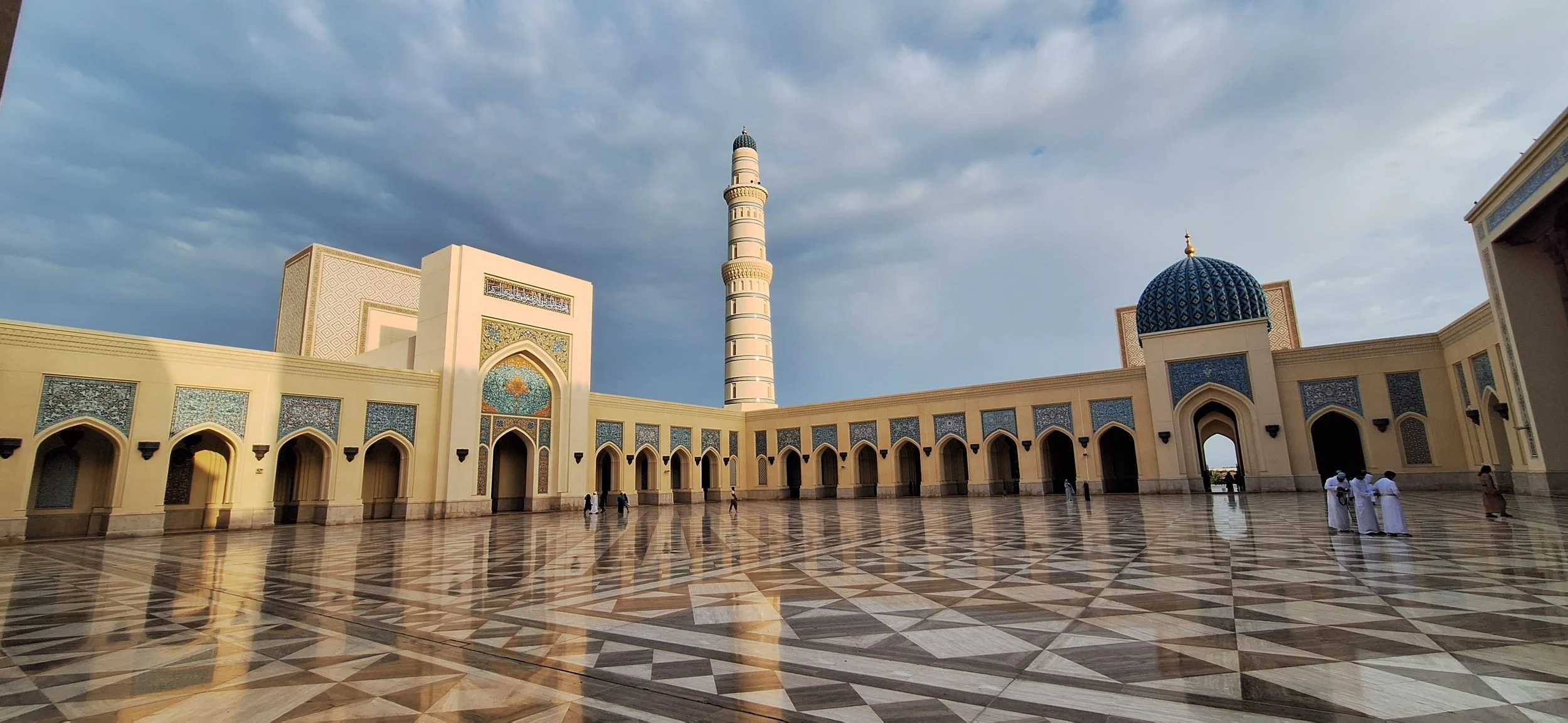
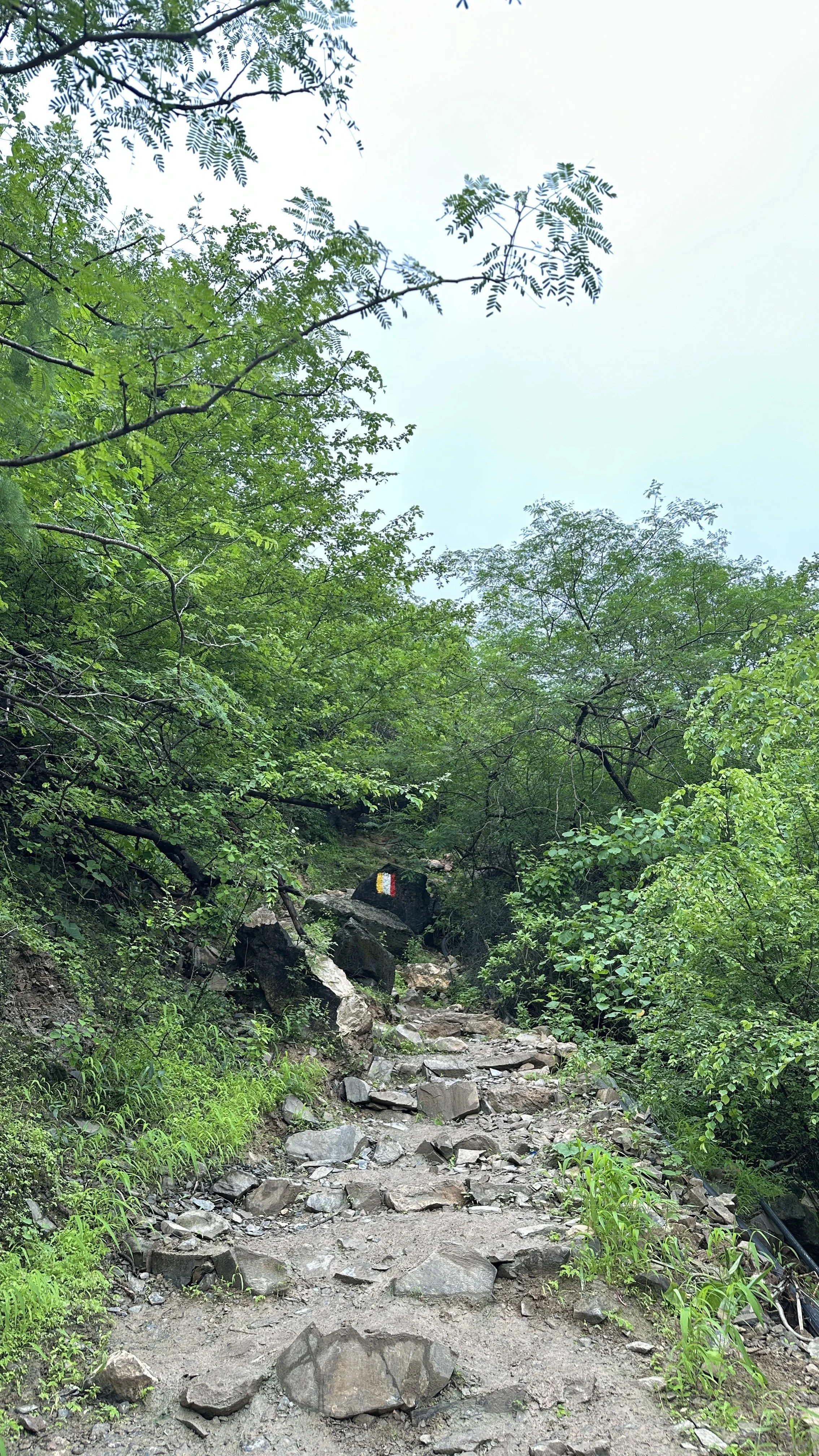
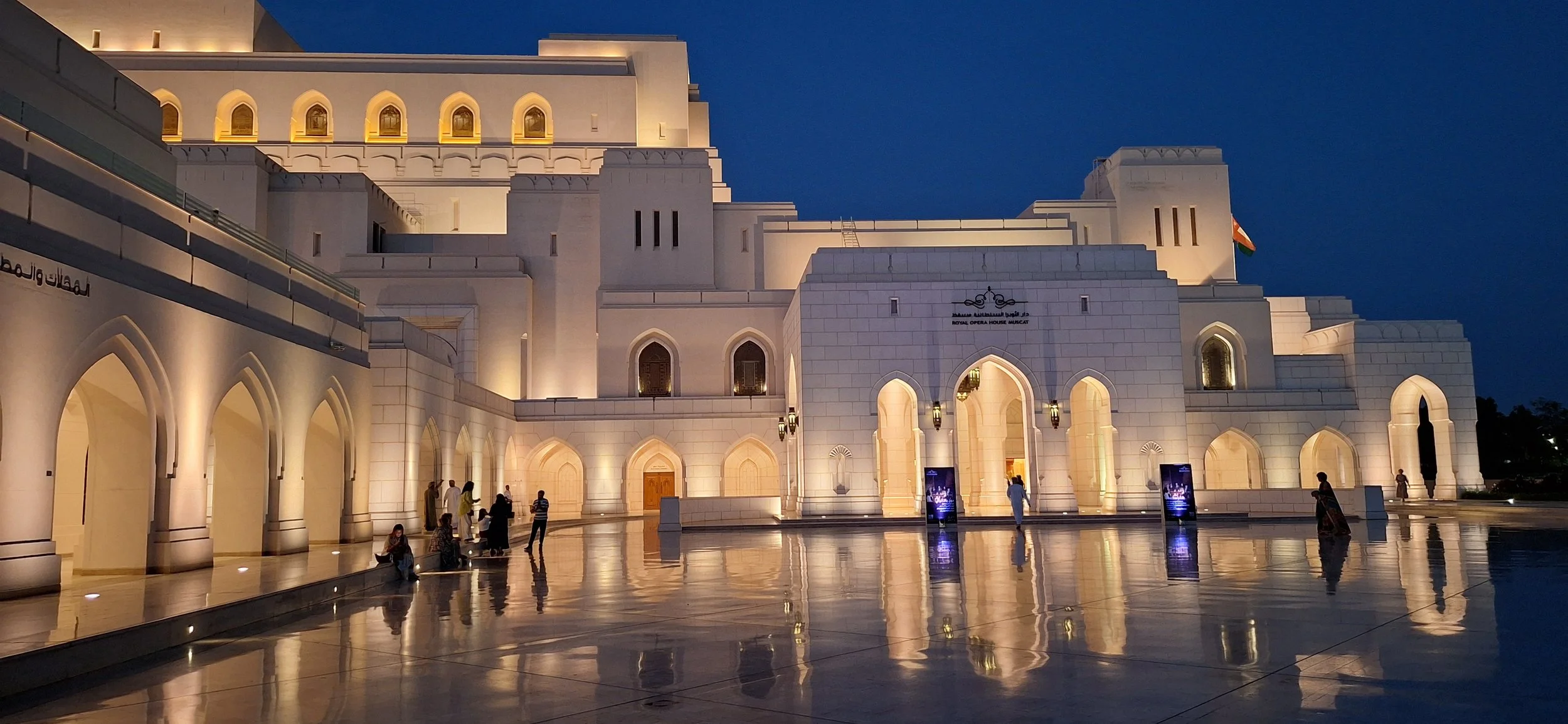
Mindfulness and soul searching
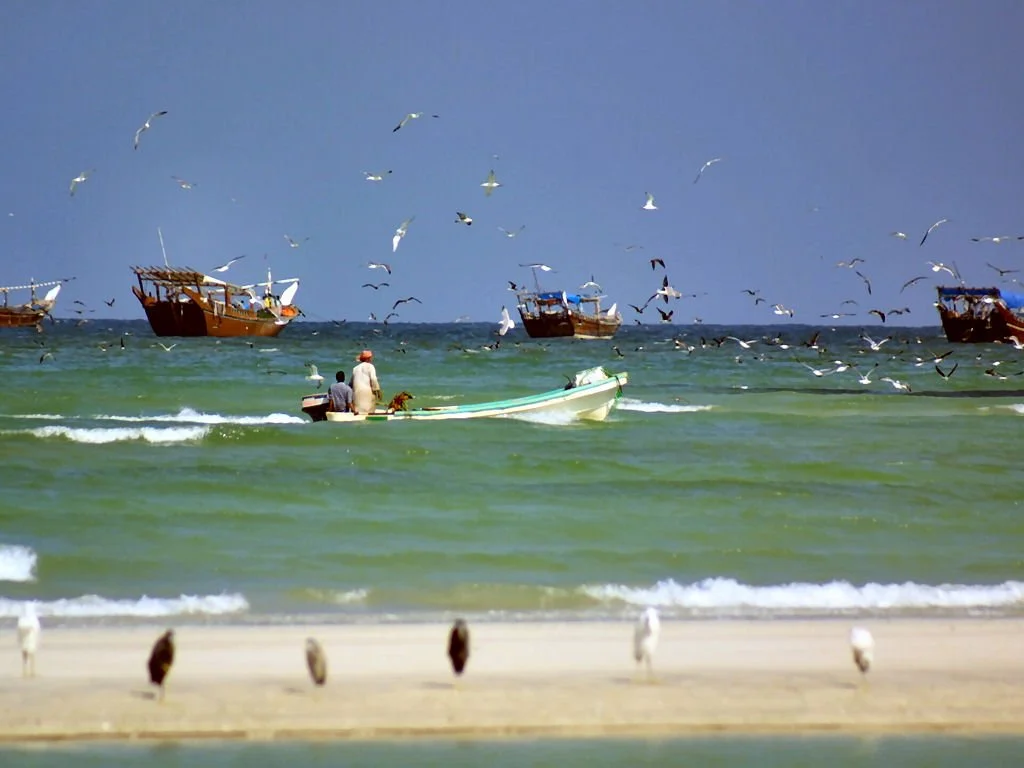
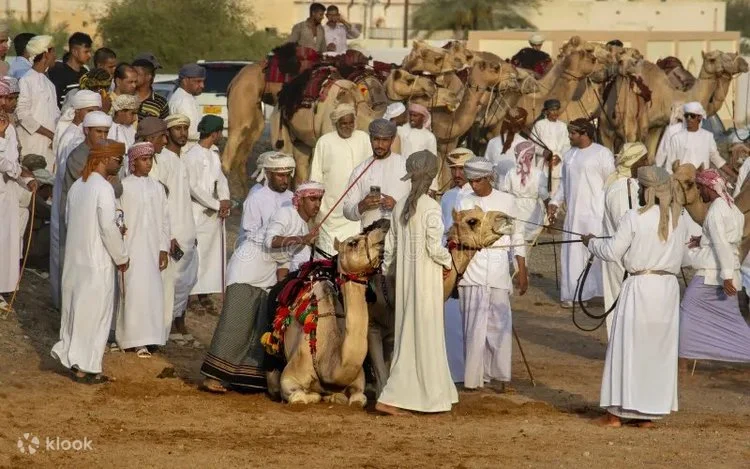
An impression of Oman’s amazing nature.
Traveling though Oman, from the mountains, through the deserts, up to the 3.600 KM coast, is so relaxing, creating mindfulness and soul-searching.
Economic perspective elements
-
Muscat
Muscat — The Capital of Opportunity
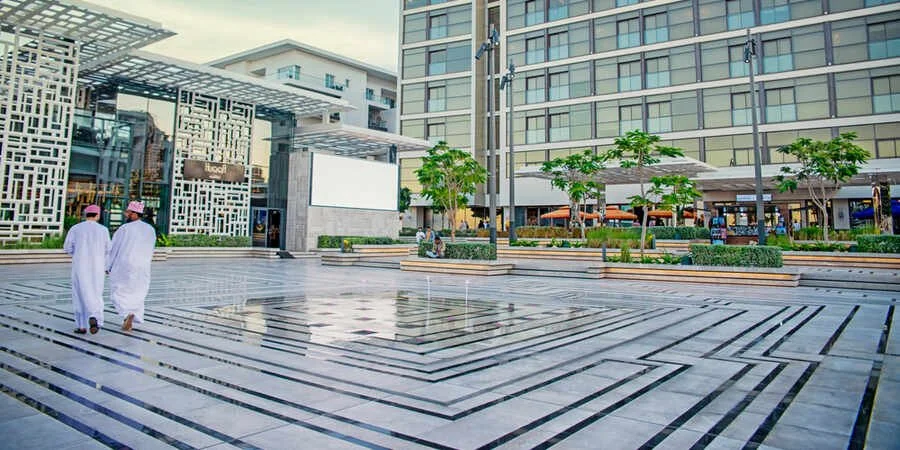
Economic hub: Muscat is Oman’s political, financial and commercial centre, home to major government institutions, multinational corporations and regional headquarters.
Prime investment zones: Free zones, modern office parks and supportive regulatory frameworks make Muscat ideal for finance, logistics, tourism development and professional services.
Quality of life: Contemporary housing, international schools, healthcare facilities and cultural venues combine with attractive seaside living and marina developments.
Tourism draw: Sultan Qaboos Grand Mosque, Mutrah Corniche and Royal Opera House anchor year-round cultural tourism; luxury resorts and boutique hotels present strong hospitality returns.
-
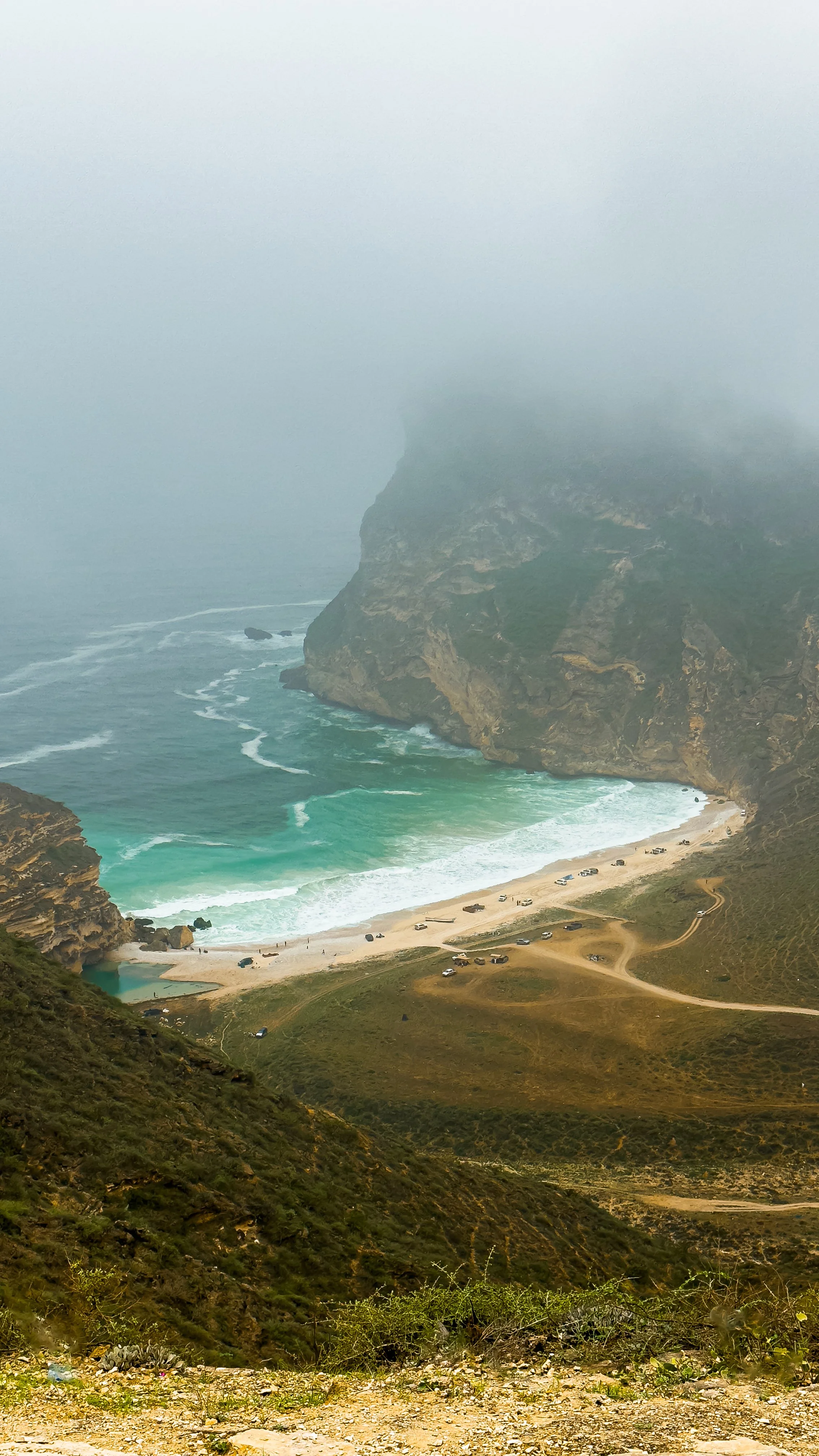
Salalah
Salalah — Green Gateway to the Indian Ocean
Seasonal advantage: Salalah’s unique monsoon-influenced climate transforms the landscape into a lush, green region, drawing domestic and regional tourists each Khareef season.
Agri-business & logistics: Fertile soils and port access support agriculture, food processing and export opportunities, while tourism growth fuels hospitality investment.
Cultural and eco-tourism: Ancient frankincense heritage, coastal wetlands and nature reserves create niche experiences for eco-conscious travellers and sustainable tourism projects.
-
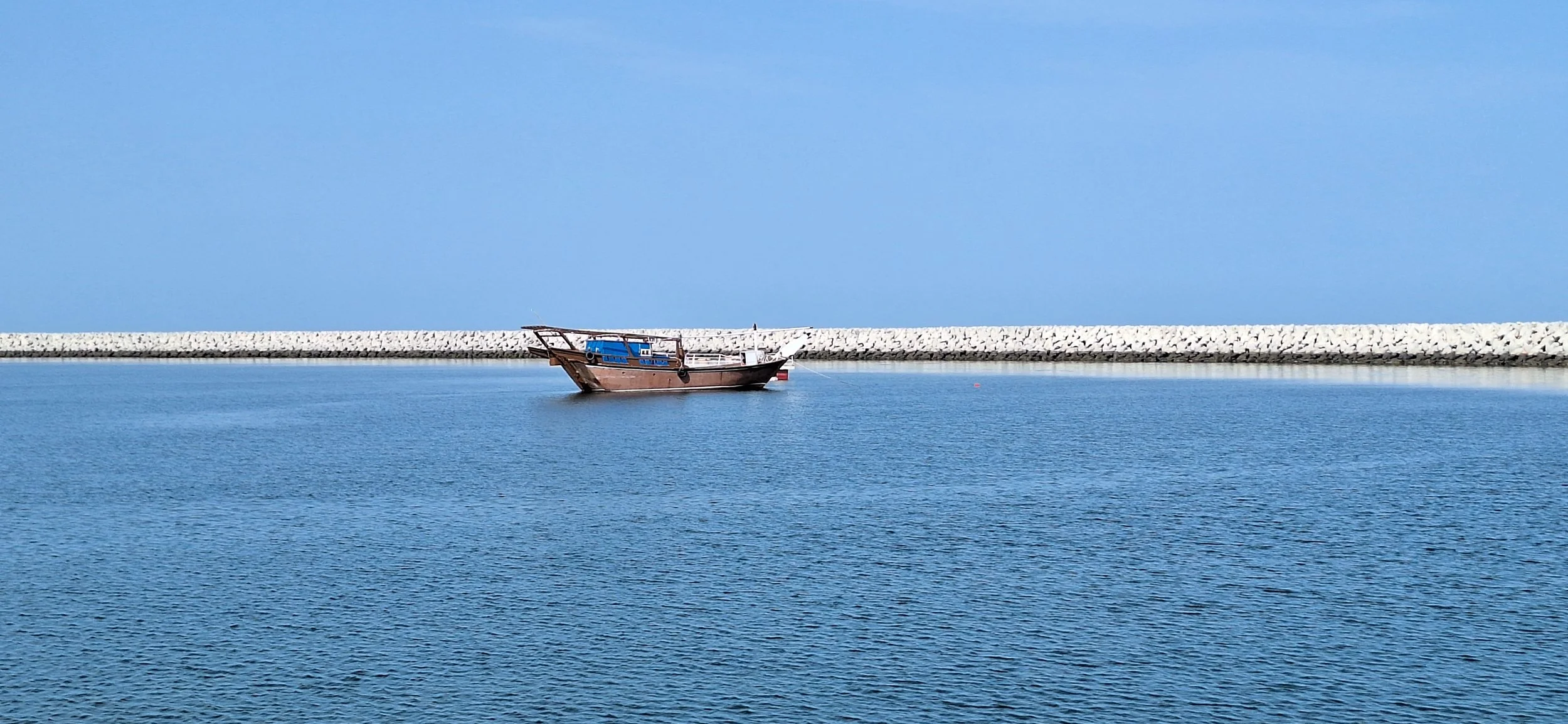
Sohar
Sohar — Industrial and Port Powerhouse
Strategic location: Sohar Port and Freezone provide direct access to major shipping routes, ideal for manufacturing, petrochemicals, metals and logistics.
Industrial ecosystem: A strong supply chain, skilled workforce initiatives and investor incentives make Sohar a top choice for export-oriented projects.
Urban development: Rapidly expanding residential and retail infrastructure ensures a balanced environment for employees and families.
-
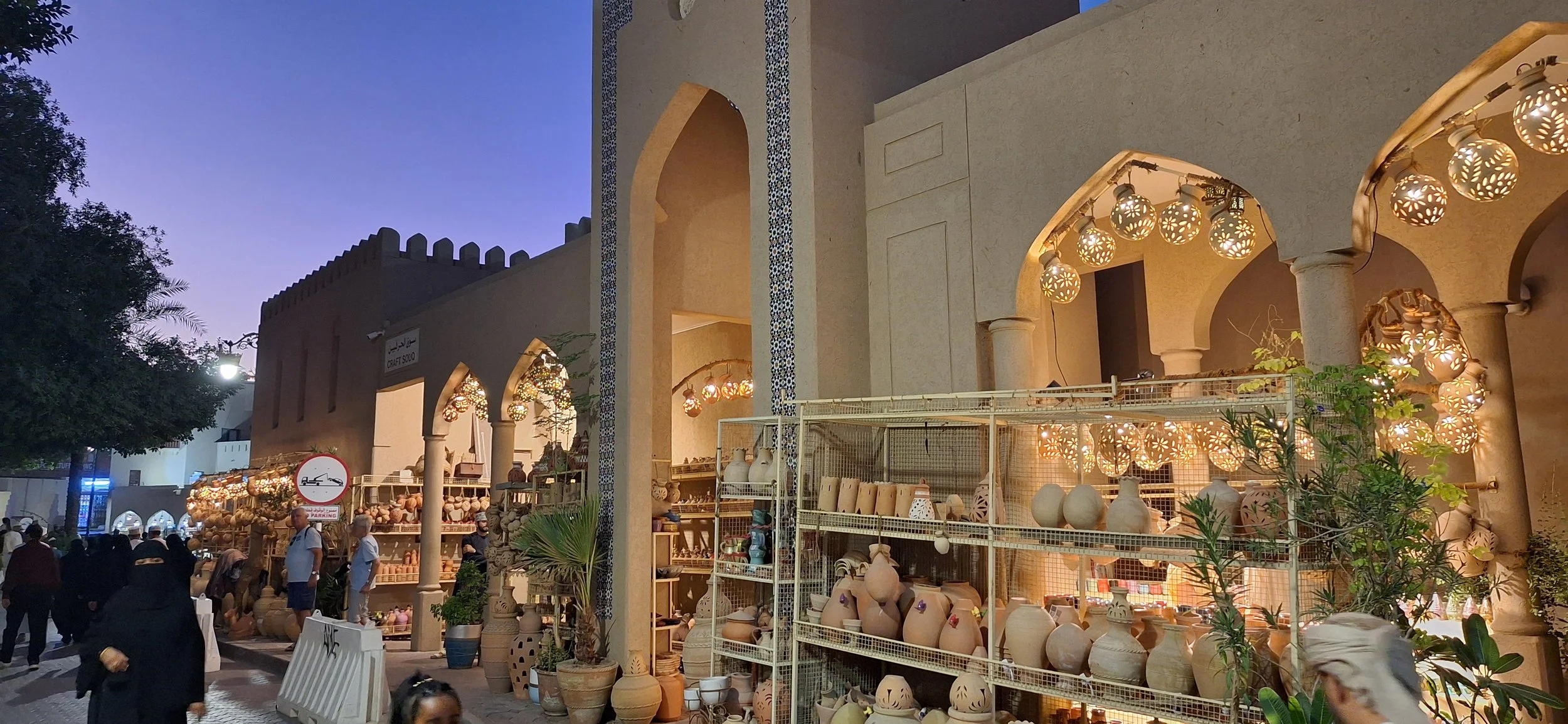
Nizwa
Nizwa — Heritage, Education and Tourism
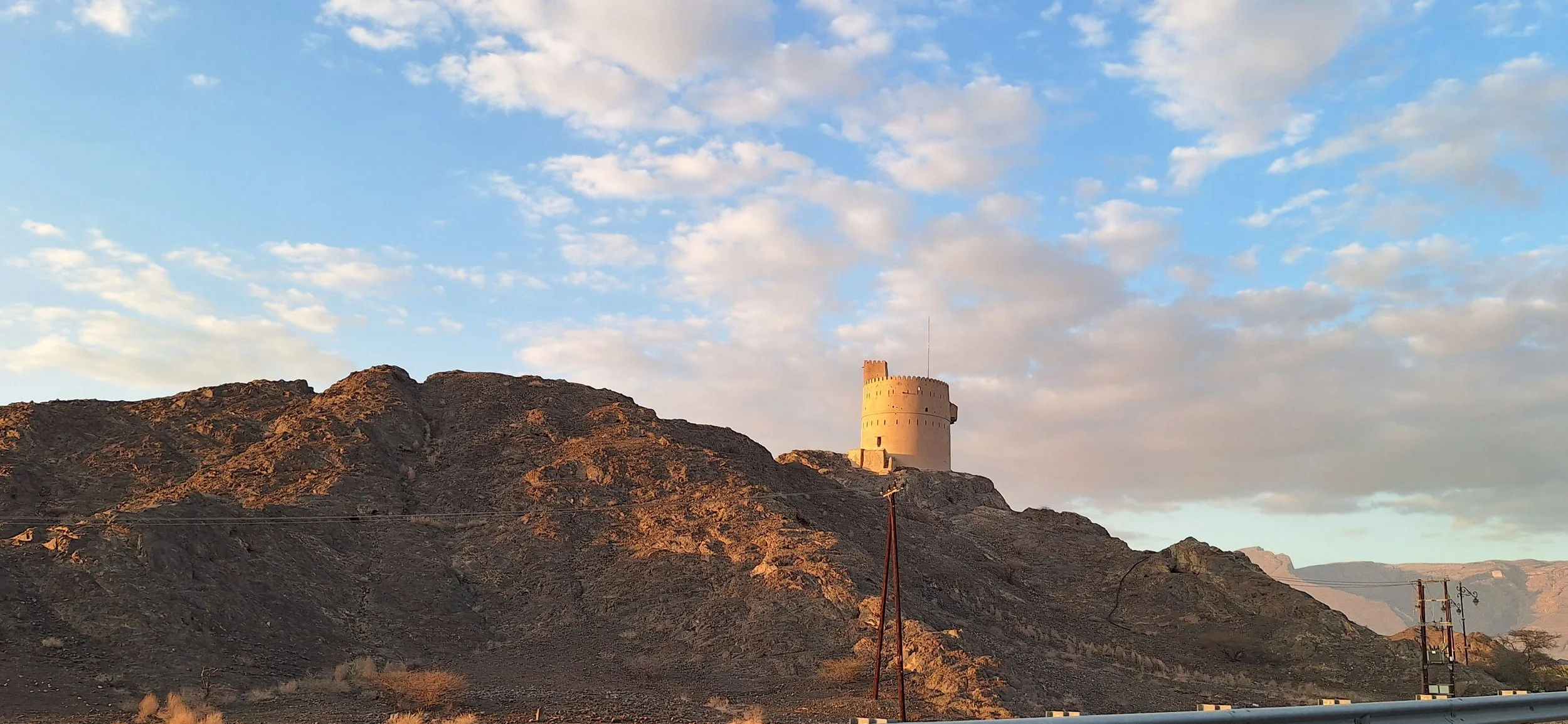
Cultural heartland: Nizwa’s historic fort, souqs and surrounding villages preserve Omani heritage and attract cultural tourists seeking authentic experiences.
Education & small enterprise: Proximity to universities and vocational training supports SMEs in craft, food production and cultural tourism.
Sustainable tourism potential: Community-based tourism and conservation-focused projects present meaningful investment aligned with cultural preservation.
-
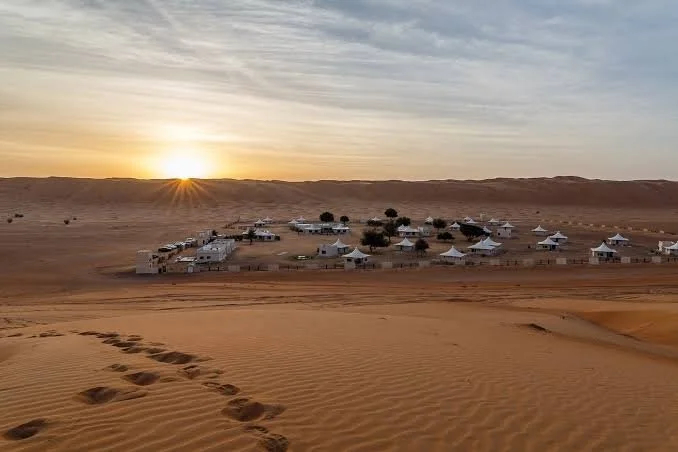
Sur & Ibra
Sur & Ibra — Emerging Regional Centres
Growing local markets: These cities offer lower-cost entry points for SMEs, agribusiness, light manufacturing and regional retail.
Community integration: Investment here supports regional development, job creation and decentralisation, aligning with national sustainable growth objectives.
-
Duqm
Duqm — The Future Industrial & Tourism Corridor
Mega projects: Duqm Special Economic Zone (SEZAD) is a long-term strategic development for heavy industry, logistics and maritime services.
Dual opportunity: Industrial expansion is matched by coastal tourism potential — beachfront developments, marinas and eco-resorts can complement industrial growth.
Infrastructure-ready: Deepwater port, airport and planned urbanisation create a framework for scalable investment.
why invest in Oman’s cities?
Strategic geography linking Middle East, Africa and Asia.
Investor-friendly policies, free zones and fiscal incentives.
Strong commitment to sustainability, cultural preservation and balanced urban development.
High quality of life, safety and modern infrastructure supporting talent attraction and retention.
Start your journey Oman’s cities present diversified options: from Muscat’s corporate and luxury tourism opportunities, Sohar’s industrial scale and Duqm’s long-term strategic vision, to Salalah’s seasonal tourism and Nizwa’s cultural authenticity. Whether you seek high-yield tourism projects, export-oriented industry, sustainable community investment or lifestyle developments, Oman’s urban centres offer stable returns, responsible growth and unique experiences.
Contact us to tailor an investment or development strategy across Oman’s cities — maximise returns while contributing to sustainable, culturally respectful growth.