Fencing in Oman, the Al Oula Academy
What is Fencing?
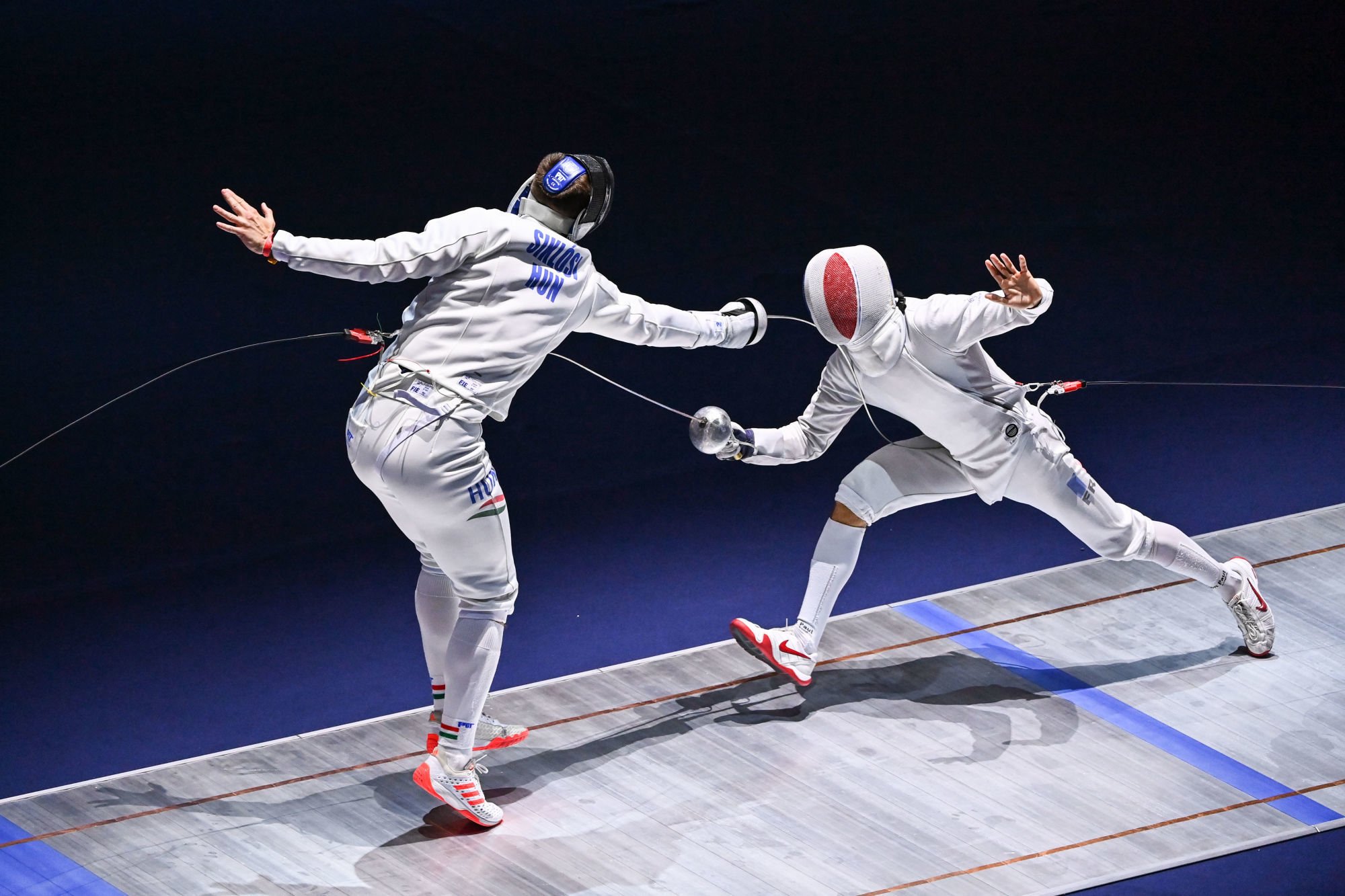
Fencing is a fast-paced combat sport that evolved from historical swordsmanship into a modern Olympic discipline. It features three weapon categories — foil, épée and sabre — each with distinct rules, target areas and scoring methods. Competitors use agility, strategy and precise blade work to outmanoeuvre opponents, earning points through controlled strikes while observing strict safety and fairness protocols. Practised recreationally and competitively, fencing develops reflexes, tactical thinking and physical fitness, and remains closely tied to tradition and etiquette.

The history of fencing
From Ancient Swordcraft to Modern Olympic Art
Ancient Beginnings
Fencing traces its roots to the earliest civilizations.
Engravings from Ancient Egypt (c. 1190 BC) already depict duel-like training sessions, showing that swordplay was not only warfare, it was discipline, ritual, and physical mastery.
Across Greece and Rome, early martial systems introduced structured techniques, footwork, and controlled sparring. The idea of “training with the blade” was born long before the modern sport.
Medieval Mastery
In Medieval Europe, swordsmanship became a craft passed down by expert masters.
Distinct schools shaped the evolution of fencing:
German Fechtschulen taught strong, angular combat.
Italian masters refined theory, footwork, and strategy.
Spanish Destreza blended geometry and philosophy into a scientific art.
This period transformed swordplay from battlefield survival into a skillful, intellectual discipline.
Renaissance Elegance
The Renaissance ushered in the rapier, a lighter, more agile weapon, and with it, a more elegant form of fencing.
Royal courts embraced fencing as a symbol of refinement and nobility. Manuals appeared, etiquette was codified, and duels became ceremonial rather than lethal.
Key innovations of this era:
Point-based technique
Defensive parries
Fluid, graceful footwork
Formal training systems
The French School & Modern Foundations
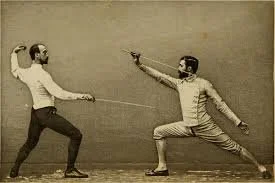
France shaped fencing into the modern sport during the 17th–19th centuries.
The foil was introduced, training rules standardized, and the characteristic elegance of French technique spread across the world.
Masks, protective jackets, and lighter blades made fencing safer, and more athletic.
FENCING BECOMES AN OLYMPIC SPORT
Fencing has been an official part of the Olympic Games since Athens 1896, making it one of only five sports to be contested in every single modern Olympiad.
Each weapon carries centuries of noble combat heritage and distinct competitive rules.
A Global Art of Timing & Mind
Today, fencing is practiced worldwide.
It is often described as “physical chess” - a sport where timing, geometry, anticipation, and calm thinking shape every point.

Fencing is one of only five sports contested at every modern Olympic Games since 1896. Today, the world’s elite athletes compete across three distinct weapons—each carrying its own rules, speed, and tactical combat heritage.
The modern descendant of the historical dueling sword. The entire body is a valid target from mask to toe. With no "right-of-way" rules, timing, counter-attacks, and absolute precision dictate every touch.
A light thrusting weapon designed for training classical masters. Only touches to the torso count. Fencers must follow strict "right-of-way" rules, making it a masterclass in tactical anticipation.
Derived from cavalry warfare. Fencers can score with both the tip and the blade edge above the waist. It is the fastest, most aggressive discipline in the Olympic games.
The Al Oula Fencing Academy
Al Oula Fencing Academy brings a rare combination of elegance, athleticism, and discipline to Muscat. It will give children and adults the opportunity to learn a world-class sport.
With fencing making its first steps in Oman, Al Oula stands at the beginning of an exciting new chapter for sports in the Sultanate.
The New Home of Modern Swordsmanship in Oman
A New Chapter for Fencing in Muscat
Al Oula Fencing Academy is Muscat’s newest destination for the art and discipline of fencing — a place where children discover agility, strategy, and confidence through one of the world’s most elegant sports.
Born from a rising national enthusiasm for fencing, the academy brings structured training, certified coaching, and a welcoming environment to young athletes in Oman.
Mission & Philosophy
At its core, Al Oula believes that fencing develops more than athletic skill — it shapes character.
The academy’s philosophy is built on:
Discipline and respect
Focus and mental clarity
Balance, agility, and physical coordination
Strategic thinking and anticipation
Confidence and resilience
Every lesson is designed to help students grow both on and off the piste.
What the al oula Academy Offers
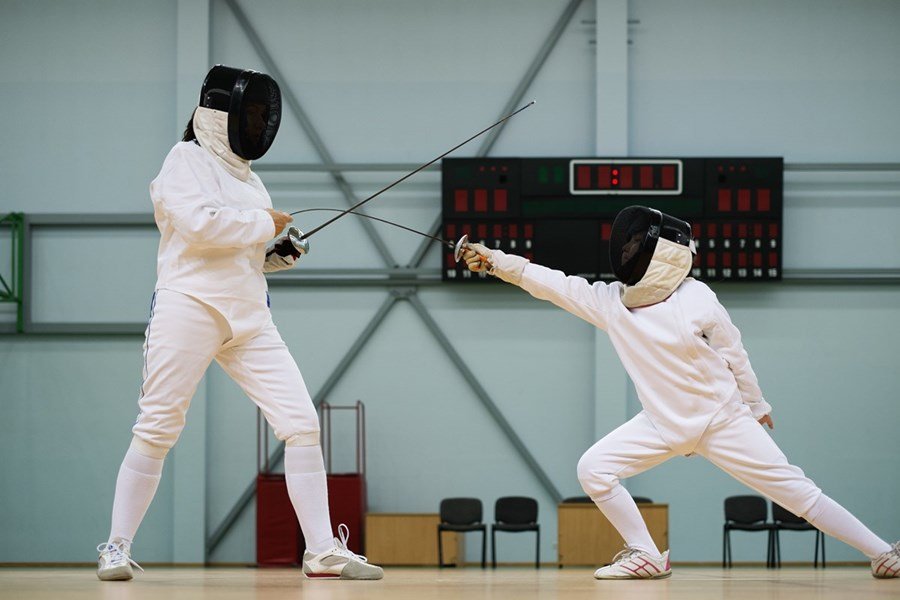
Al Oula specializes in épée fencing, one of the three Olympic disciplines.
Training is provided in a structured, progressive pathway suitable for young beginners.
Programmes include:
🧒 Children’s Introductory Courses – foundations of movement, blade control, and safe fencing habits
🎽 Beginner Technical Training – footwork, attacks, defense, timing, and simple tactical concepts
⚔️ Youth Development Squads – for students who want to advance their skills and prepare for competition
🧠 Confidence & Discipline Workshops – building the mental side of fencing
The academy combines athletic training with fun, age-appropriate learning — perfect for children starting their fencing journey.
Coaching & Environment
Al Oula’s coaches follow international fencing standards, with a focus on safe training and personalized development.
Children learn in a bright, supportive environment where:
Every student receives individual attention
Safety equipment is professionally managed
Training goals are adapted to each child’s pace
Progress is celebrated, not pressured
The atmosphere is both structured and encouraging — ideal for young athletes.
Enrollment:
Ongoing throughout the year, with easy registration for beginners.
Why Fencing Matters for Oman
Oman’s interest in fencing is growing rapidly. Recent successes by Omani fencers on regional and international stages have brought new attention to the sport, especially among young girls and youth athletes.
Al Oula Fencing Academy supports this momentum by:
Creating a youth pipeline for future national competitors
Making fencing accessible to families in Muscat
Introducing a sport that blends elegance, intelligence, and fitness
Contributing to a modern, diverse sports culture in Oman
It is a timely addition to the country’s evolving athletic landscape.
The brand-new home of modern swordsmanship in Oman. A purpose-built training center in Bowsher (Muscat) equipped with Olympic electric pistes, certified international coaching, and elite youth development.
Structured training pathways developing agility, mental sharpness, and tactical discipline:
- Little Knights (Ages 6–10): Blade safety & movement
- Youth Competition Squads: Advanced regional tournament prep
- Adults & Beginners: Fitness & "Physical Chess"
From ancient warriors to Olympic athletes, the heart of fencing remains the same: a dance of discipline, elegance, and the eternal human fascination with the blade.