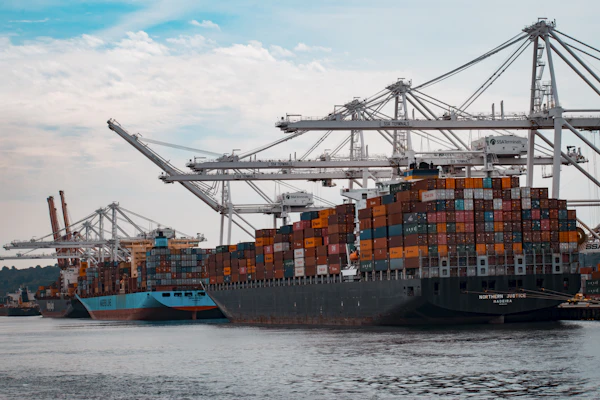
Petroleum Development Oman (PDO) is the single most important pillar of Oman’s energy economy. Operating across the vast Block 6 concession on behalf of Energy Development Oman (EDO) and its international partners, PDO produces more than 70% of the Sultanate’s crude oil and the majority of its natural gas supply. That output funds a substantial share of Oman’s national budget while supplying the fuel that keeps the country’s power stations, desalination plants, industrial zones, and LNG export terminals running every day.
Because Oman’s onshore oil reservoirs are deep, fractured, and heavy, PDO is far more than a conventional oil producer. Today, the company serves as a global testing ground for Enhanced Oil Recovery (EOR) technologies, digital oilfield automation, and industrial-scale decarbonization. From powering interior desert fields with utility-scale solar and wind farms to purifying oilfield water through the world’s largest commercial reed beds, PDO is actively reshaping how hydrocarbon producers cut emissions on the road to Oman’s Net Zero 2050 target.
Beyond energy output, PDO is the primary engine of Oman’s private-sector supply chain and technical workforce. Through strict In-Country Value (ICV) rules, the company directs a major portion of its annual spending toward Omani manufacturers, local SMEs, and community-owned contractors across the interior. With an Omanisation rate near 90% and leadership under its first Omani Managing Director, PDO plays a direct role in building the engineers, technicians, and industrial suppliers driving Oman Vision 2040.
SOME FACTS
Oman’s largest exploration and production company, operating the massive Block 6 concession across central and southern Oman while leading the country’s Enhanced Oil Recovery, In-Country Value, and oilfield decarbonization programs.
“PDO anchors Oman’s fiscal stability by maximizing responsible hydrocarbon recovery from Block 6 while cutting operational carbon intensity and channeling billions in In-Country Value to Omani businesses and talent.”
History & Foundational Genesis
PDO’s roots go back to 1937, when the Sultan of Muscat and Oman granted a 75-year exploration concession to Petroleum Development (Oman and Dhofar) Ltd. After decades of difficult desert exploration, geologists struck commercial oil at Yibal in 1962, followed by Natih in 1963 and Fahud in 1964.
On 27 July 1967, Oman exported its first commercial cargo of crude oil from the Mina Al Fahal terminal in Muscat—marking the financial foundation of modern Oman. The government acquired a 60% majority stake in 1974, and PDO was formally incorporated by Royal Decree in 1980. In 2020, the state transferred its 60% oil stake and 100% non-associated gas interest to Energy Development Oman (EDO) to modernize capital raising and governance.
Operational Footprint & What PDO Does
Oman divides its energy territory into numbered concession areas called “blocks.” PDO operates Block 6—not a single oilfield, but a massive 90,000+ km² zone covering nearly one-third of Oman’s land area across northern, central, and southern regions:
1. Upstream Oil, Gas & Mega-Hubs:
- Oil & Pipeline Network: Operates over 200 producing oil fields, 10,000+ active wells, and 30,000+ km of pipelines linking interior desert fields (Fahud, Yibal, Marmul, Nimr, Amal) to the Mina Al Fahal export terminal in Muscat.
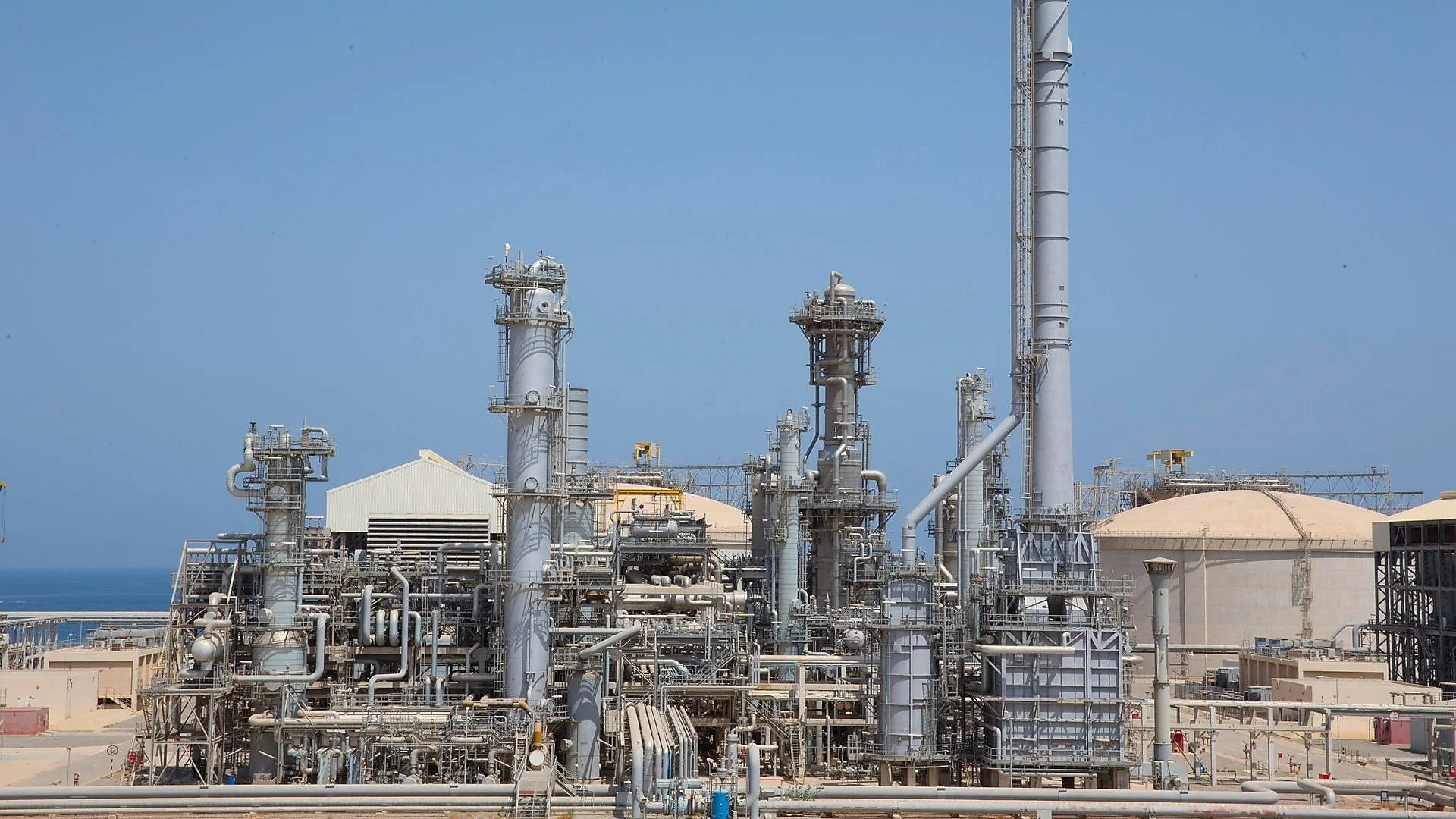
- Non-Associated Gas Hubs: Manages major gas and sour-gas processing plants for EDO—including Saih Rawl, Saih Nihayda, Kauther, and the ultra-deep Yibal Khuff mega-project—supplying Oman’s power grid, factories, and Oman LNG in Sur.
2. Enhanced Oil Recovery (EOR) Leadership:
- Advanced Recovery: Because Omani reservoirs are heavily fractured and viscous, PDO is a global pioneer in polymer flooding (Marmul), miscible gas injection (Harweel), and thermal steam EOR (Qarn Alam and Amal).
3. Renewables & Nature-Based Water Treatment:
- Solar & Wind Power: Integrates the 100 MW Amin Solar PV plant, North Oman solar-plus-storage projects, and the Riyah-1 and Riyah-2 wind farms directly into its interior power grid.
- Nimr Reed Beds: Operates one of the world’s largest industrial constructed wetlands, naturally purifying produced oilfield water without chemicals or high-energy disposal wells.
Strategic Priorities, ICV & Net Zero 2050
Under Oman Vision 2040 and Oman’s national Net Zero 2050 commitment, PDO is reshaping how a national oil operator balances revenue with decarbonization:
- 50% Emissions Cut by 2030: Eliminating routine gas flaring, electrifying desert operations, and sourcing a growing share of Block 6 electricity from utility-scale solar and wind.
- In-Country Value (ICV) Engine: Retaining a large share of annual procurement spend inside Oman by contracting local SMEs, Super Local Community Contractors (SLCCs), and Omani manufacturers of cables, valves, and wellheads.
- Omanisation & Technical Skills: Maintaining an Omanisation rate near 90% and training thousands of young Omanis through its National Objectives and vocational programs.
- Capital Discipline under EDO: Lowering lifting costs per barrel while deploying digital oilfield automation and AI-assisted reservoir management.
From Block 6 Oilfields to Net Zero 2050
70%+ of Oman’s crude output • 90,000+ km² concession • Utility-scale solar, wind, and local ICV supply chains.
Explore Oman Sustainable →International Partnerships & Developments
PDO operates as one of the Middle East’s longest-running international energy joint ventures, combining Oman’s sovereign ownership through Energy Development Oman (60%) with global technical expertise and cross-border clean-energy consortia:
United Kingdom & The Netherlands (Shell — 34% Shareholder): As PDO’s largest private shareholder and long-term technical advisor, Shell brings deep subsurface engineering, Enhanced Oil Recovery (EOR) expertise, and global operational safety standards to Block 6.
France (TotalEnergies — 4% Shareholder): Alongside its upstream equity stake in Block 6, TotalEnergies partners with OQ Alternative Energy to develop the Riyah-1 and Riyah-2 wind farms inside PDO’s concession area, feeding renewable electricity directly into the oilfield grid.
Thailand (PTTEP — 2% Shareholder): Thailand’s national exploration and production company holds a 2% stake in PDO’s oil concession, reinforcing long-standing energy and trade ties between Oman and Southeast Asia.
Germany (Bauer Resources): German environmental engineering firm Bauer partnered with PDO to design, build, and operate the Nimr Reed Beds—the world’s largest commercial constructed wetland—which naturally treats produced oilfield water using gravity flow and cuts hundreds of thousands of tons of CO₂ emissions each year.
Japan & Qatar (Marubeni & Nebras Power): Japan’s Marubeni Corporation and Qatar’s Nebras Power joined Omani partners OQ and Bahwan Renewable Energy to finance and build the 100 MW Amin Solar PV plant, PDO’s first utility-scale solar power facility in southern Block 6.
China (Goldwind & Oilfield EPCs): Chinese industrial manufacturers and engineering contractors play an expanding role across Block 6 infrastructure—most notably Goldwind supplying desert-adapted wind turbines for the Riyah wind projects, alongside Chinese firms active in drilling, pipelines, and power-grid tenders.
FAQ: Petroleum Development Oman (PDO)
+ Q1: Who owns Petroleum Development Oman (PDO)?
PDO is a joint venture owned 60% by Energy Development Oman (EDO), which represents the Government of Oman, alongside three international energy partners: Shell (34%), TotalEnergies (4%), and Thailand’s PTTEP (2%).
+ Q2: What is Block 6 and how much oil does PDO produce?
Block 6 is Oman’s largest oil and gas concession, covering over 90,000 square kilometers across central and southern Oman. PDO operates more than 200 fields in Block 6 and accounts for over 70% of the Sultanate’s crude oil production and most of its natural gas supply.
+ Q3: How is PDO cutting emissions and using renewable energy?
PDO targets a 50% reduction in operational greenhouse gas emissions by 2030 and Net Zero by 2050. It powers parts of Block 6 with the 100 MW Amin Solar PV plant, the Riyah-1 and Riyah-2 wind farms, and solar-thermal steam, while eliminating routine flaring.
+ Q4: How does PDO support In-Country Value (ICV) and local jobs?
PDO requires major contractors to source goods, fabrication, and services from Omani companies and Super Local Community Contractors (SLCCs) in its concession areas, while maintaining an Omanisation rate near 90%.