

Home > discover Oman > tourism > mountains and inland

Mountains
Three mountain ranges
Oman has a wonderful coastline, amazing deserts and ….. also three wonderful mountain ranges.
They are often forgotten in the promotion of the country. You will find traditional lifestyles. Many traditional habits are preserved.
They are great for adventure all year long. They are cool in summer and even cold in winter. These are wonderful areas for hiking, enjoying silence - meditation, and especially for camping.
The Hajar Mountains
The Hajar Mountains stretch for over 700 kilometers across northern Oman, from the Musandam Peninsula down to Sur. This range forms the backbone of the country and divides the coastal plains from the desert interior.
Jebel Shams, meaning “Mountain of the Sun,” is Oman’s highest peak, rising to about 3,009 meters. It is famous for the Wadi Ghul, known as Oman’s “Grand Canyon,” where dramatic cliffs drop into deep valleys.
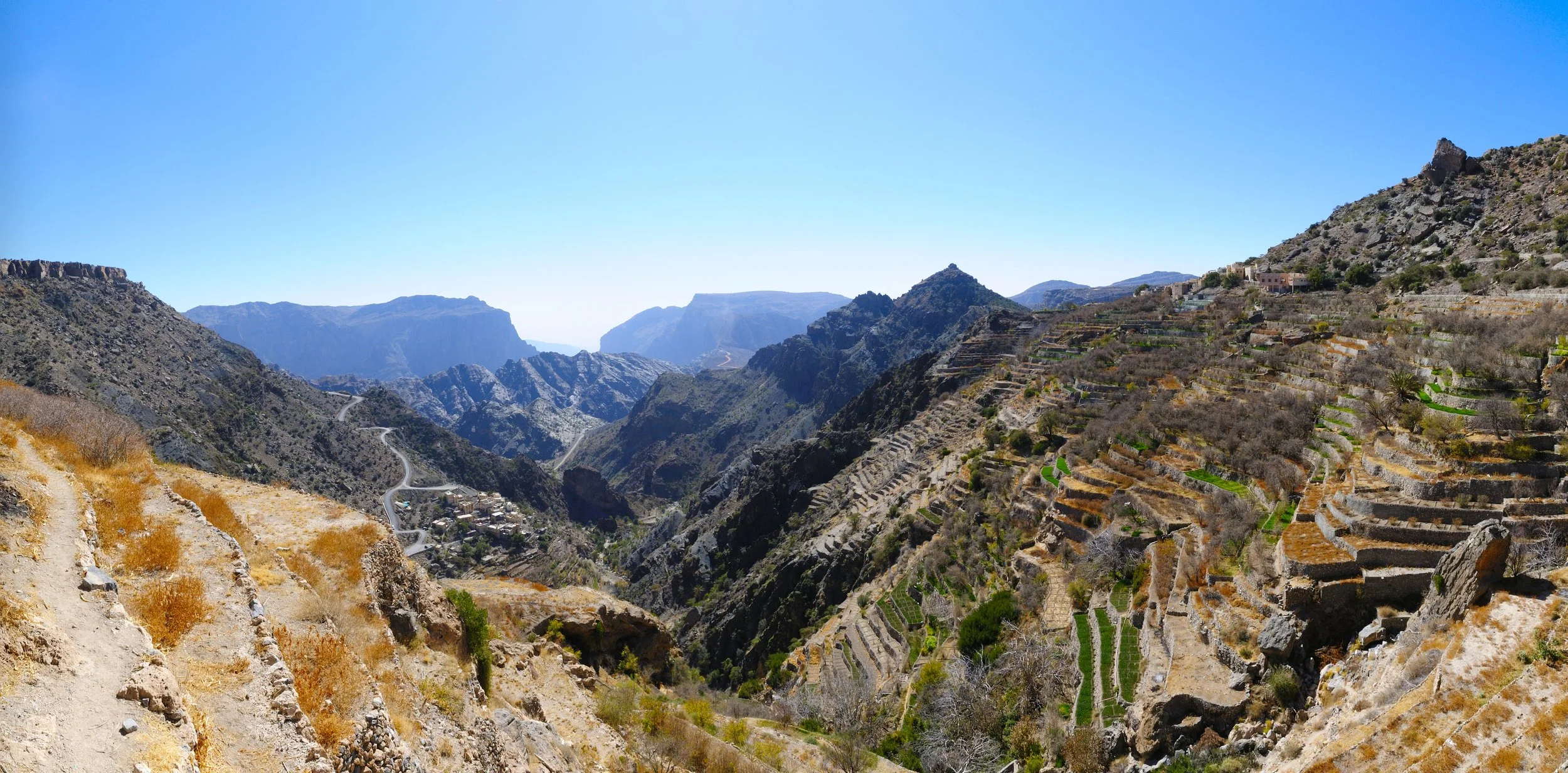
Jebel Akhdar, or “The Green Mountain,” lies nearby and is renowned for its mild climate, terraced villages, and fruit farms. During spring, the mountain is covered with blooming Damask roses, used for traditional Omani rosewater.
The Hajar region is also home to ancient villages like Misfat al Abriyeen and Al Hamra, built from stone and mud, showing traditional mountain life that has existed for centuries.
The Western and Eastern Hajar Ranges
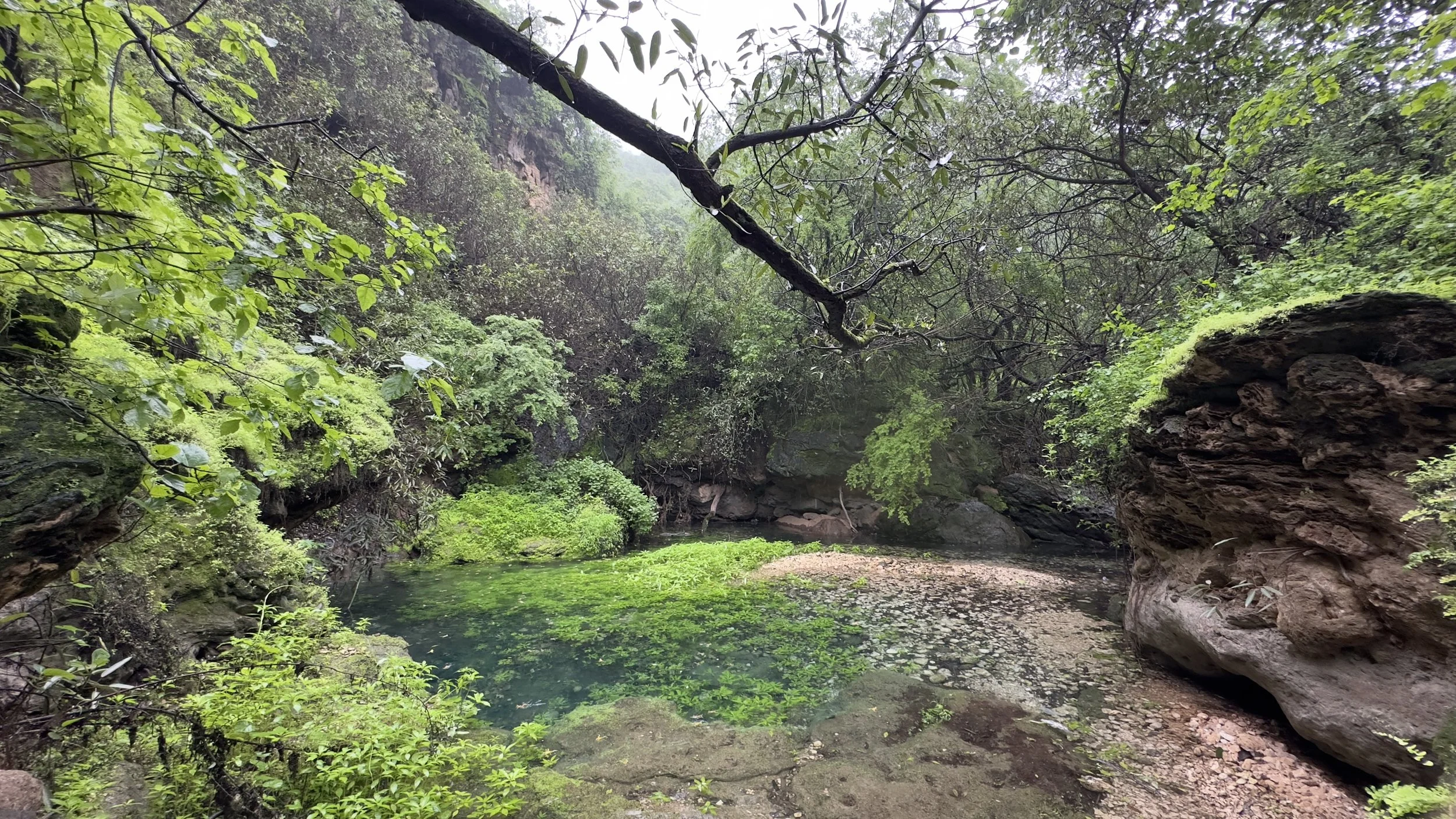
The Western Hajar includes peaks around Nizwa, Al Hamra, and Bahla, known for their dramatic cliffs and ancient forts. The Eastern Hajar stretches toward Sur and the Sharqiyah region, offering rugged terrain and beautiful wadis like Wadi Tiwi and Wadi Shab, perfect for hiking and swimming.
The Dhofar Mountains (Qara Mountains)
In southern Oman, near the city of Salalah, lie the Qara Mountains, part of the Dhofar mountain range. These mountains are unique because they are affected by the Khareef, the monsoon season from June to September.
During this time, the usually dry landscape transforms into a lush, green environment filled with waterfalls, mist, and cool breezes. Places like Wadi Darbat, Ayn Athum, and Jebel Samhan become popular tourist destinations for their greenery and scenic views.
Inland Oman
The Heart of the Sultanate
Nestled between mountain ridges and golden plains, Inland Oman reveals the timeless soul of the country — a realm of oases, fortresses, and desert horizons that whisper stories older than empires.
Heritage Forts and Ancient Towns
From the majestic Bahla Fort, a UNESCO World Heritage site, to Nizwa, the once-capital of Oman and home to its famous souq and round-towered fort, inland regions guard the architectural echoes of a proud civilization. Their stone walls tell tales of scholars, traders, and explorers who shaped the Omani identity.
Mountains and Hidden Valleys
The Al Hajar Mountains dominate the horizon — a dramatic landscape of limestone peaks, deep canyons, and terraced farms. In Jabal Akhdar and Jabal Shams, villages cling to cliffsides, and wadis carve their way through green valleys, offering a cooler climate and breathtaking views of life at altitude.
Oases and Rural Traditions
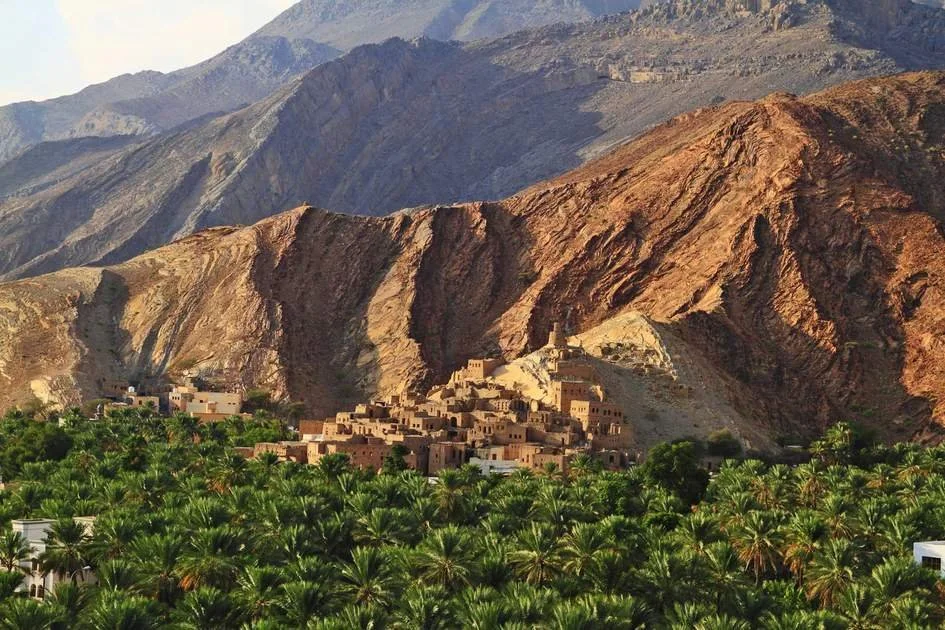
Across the inland plains, falaj irrigation systems feed date palms, pomegranates, and roses — sustaining life in the desert for centuries. The tranquil oases of Birkat Al Mouz, Al Hamra, and Misfat Al Abriyeen capture the essence of rural Oman: harmony between man, water, and stone.
Desert Majesty
Beyond the mountains, the Wahiba Sands unfurl in a sea of dunes glowing gold at sunset. Here, Bedouin hospitality meets endless silence, and the night sky unveils constellations as bright as ancient myths.