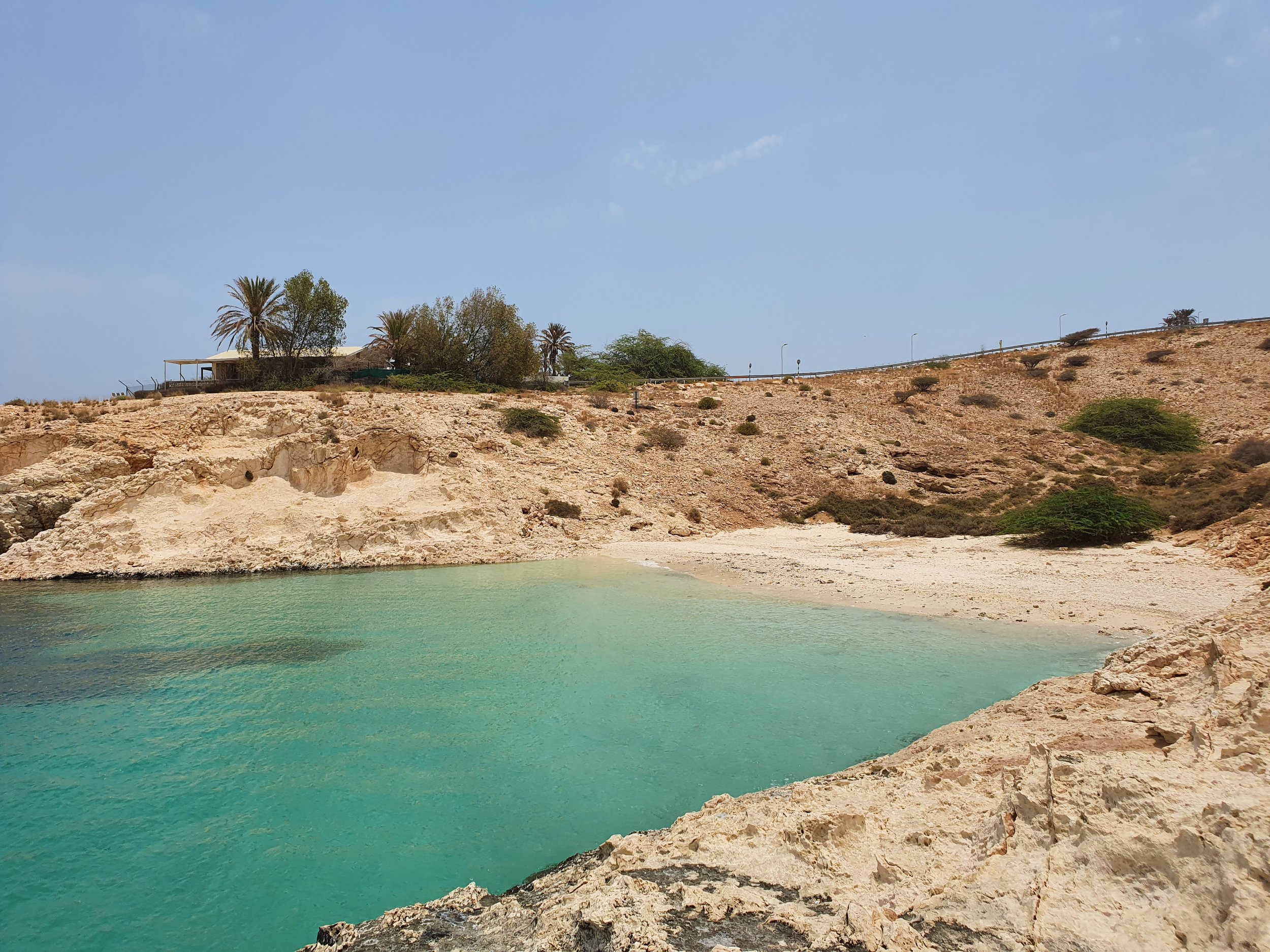
A private creek, swim and snorkel with turtles
Holidays in Oman
The best time of the year to come to Oman is in winter months, November - April. The climate is nice.
Contrary to what many people believe, summer is also a great period to visit Oman. The mountains are cool, the south of Oman - the Dhofar region is nice to visit during Khareef.
Getting Around
Renting a 4x4 vehicle is highly recommended. It gives you the freedom to drive up the smooth, paved roads into the cool high mountains and deep deserts where normal cars are not allowed.
Best Time to Visit
The best weather is from October to March (sunny and warm, around 25°C). If visiting in the summer, head south to Salalah to see the monsoon (Khareef) turn the desert completely green!
What to Wear
Oman is respectful and welcoming. When visiting local villages, traditional markets, or public places, simply keep your shoulders and knees covered as a friendly nod to local customs.
Understand oman
Mosques all around the country call for prayer five times a day.
Architecture of Mosques is diverse and interiors are of high delicacy
Various mosques have been designed for the Diwan / Royal court, they are of an exceptional atmosphere with delicate architecture.
Omani do no shout (in public).
They want to explore new ideas and often try to work them out.
In business they negotiate everything
Omani culture goes back millenials, it gives them strong foundations
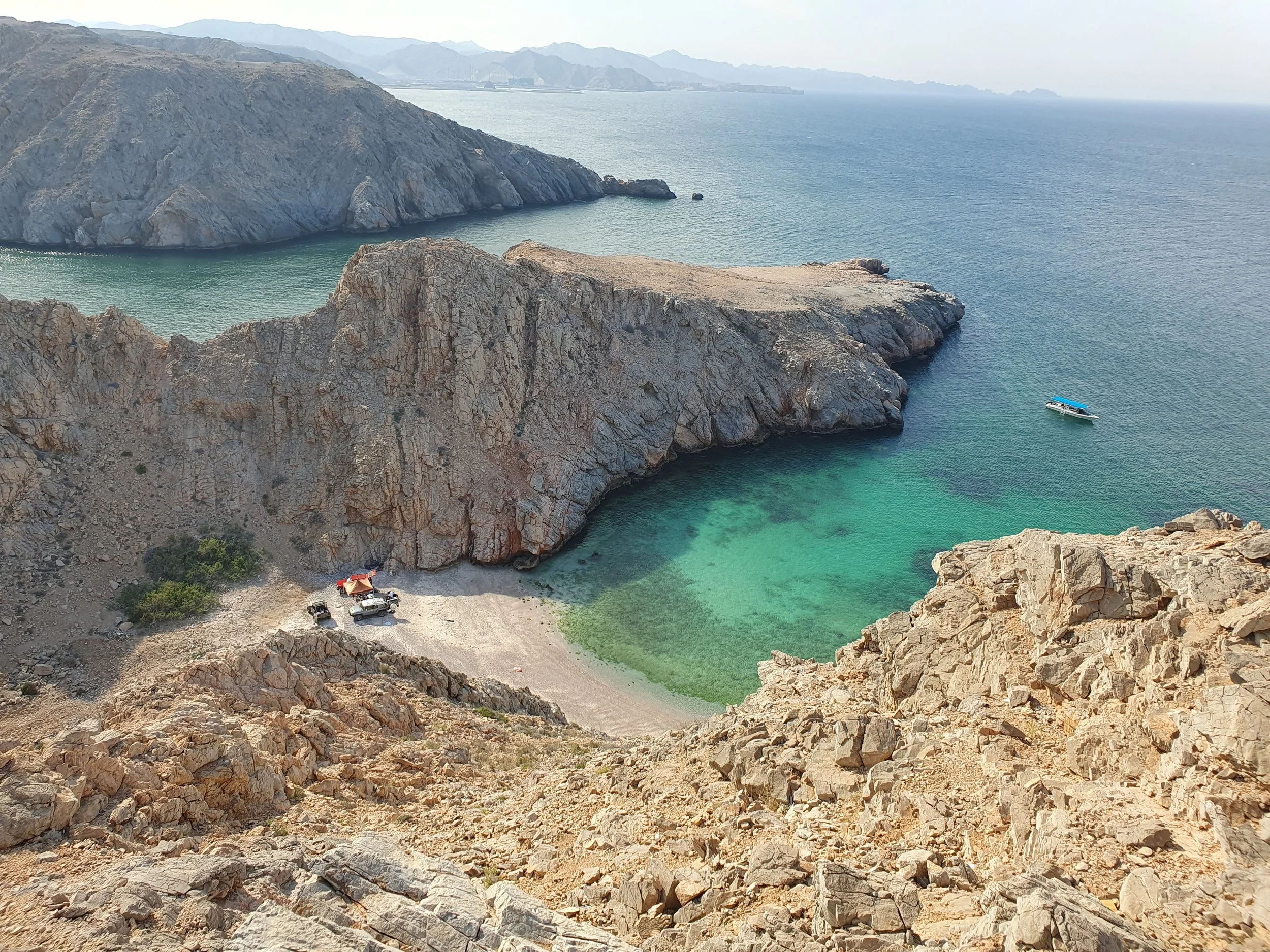
Camping in a hidden creek
Oman’s pearls
CULTURE, CASTLES & COASTLINES
Step into a living fairytale. Oman’s towns and cities are filled with beautiful low-rise white architecture, bustling traditional markets, and friendly faces.
GRAND CANYONS & CRYSTAL POOLS
If you love nature and fresh air, the great Al Hajar mountains offer a crisp, cool escape from the valley heat.
GOLDEN SANDS & STARRY NIGHTS
Experience the absolute peace of the wild desert and protected nature reserves under the open Arabian sky.

DRIVING IN THE SULTANATE
Oman boasts an exceptional network of paved highways, but its diverse topography requires specific driver awareness:
Omani drivers rarely use turn signals. Pay close attention, go with the flow on roundabouts, and hold your lane position steadily.
Avoid excessive speed on remote desert highways. Camels roam freely and can cross roads suddenly, especially at dawn and dusk.
When descending steep mountain passes (like Jabal Akhdar), shift into low gear for engine braking. Do not ride your foot brakes.
LOGISTICS & SAFETY
Essential information to ensure a smooth, self-directed journey across Oman:
Never travel in the desert alone. Always move in a convoy of at least two 4x4 vehicles, and carry recovery gear and ample drinking water.
Dedicated public restrooms are scarce on highways. However, every mosque provides clean facilities from 5:00 AM to 9:00 PM.
Petrol stations are common, but can be spaced far apart in desert zones. Fill up whenever possible and avoid waiting for low-fuel indicators.
MOSQUE VISIT ETIQUETTE
Oman's mosques are architectural marvels. Help keep them welcoming by respecting these traditional dress requirements:
Cover your hair fully with a headscarf. Dress in loose clothing that completely covers your arms to the wrists and your legs to the ankles.
Wear long trousers that cover the knees, and shirts with sleeves that cover the shoulders. Shorts and tank tops are not permitted.