
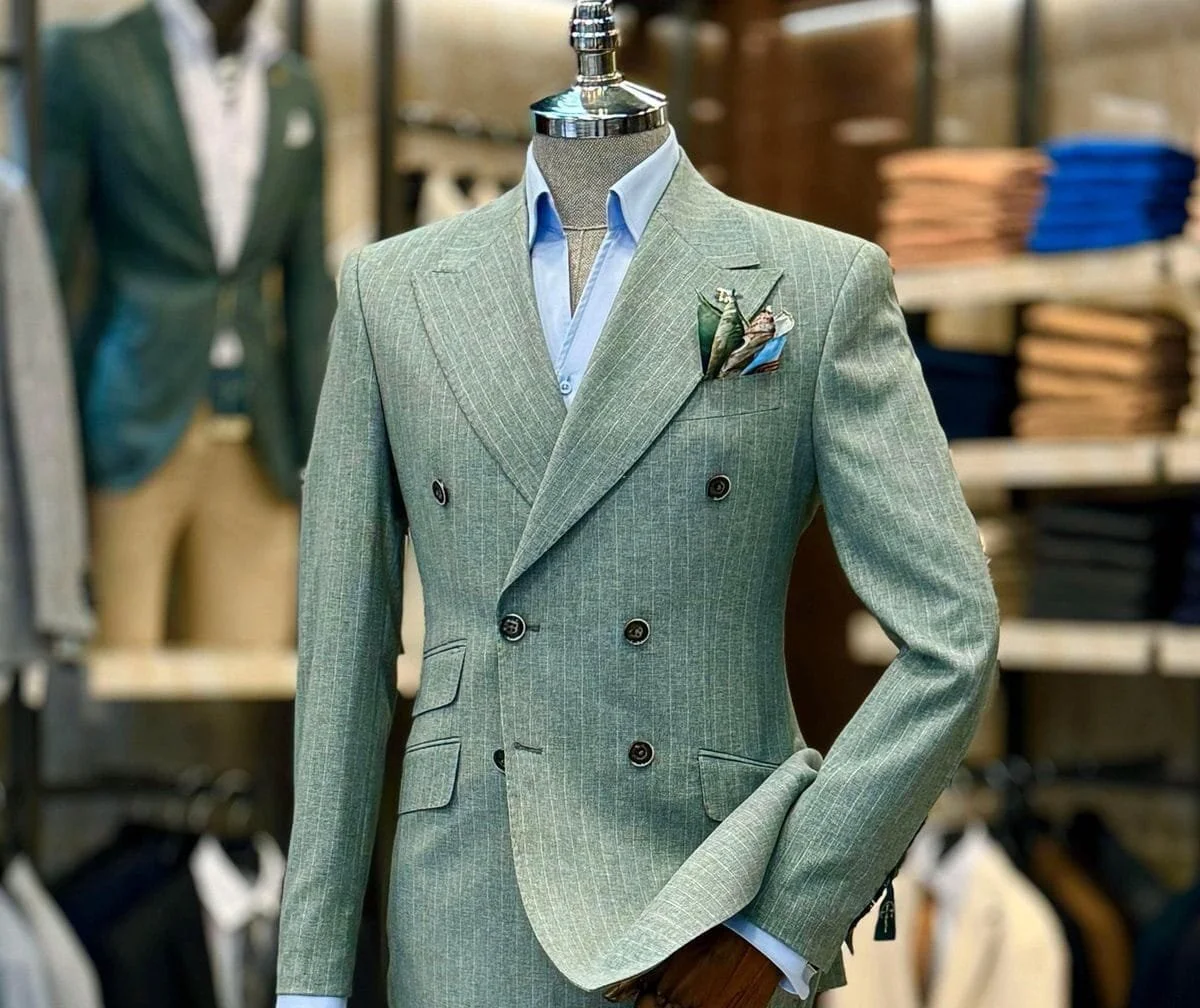
Taylor made suits
Know all about the pleasure to wear taylor made suits.
A tailor-made suit feels exceptional for several practical and aesthetic reasons:
Perfect Fit: It is built for your specific body, removing uncomfortable gaps or tightness and creating a sharp, confident silhouette.
Superior Comfort: Because it respects your proportions and posture, the suit moves with you rather than restricting you.
Quality & Durability: Better construction (like reinforced seams and canvas linings) means it hangs better, lasts longer, and holds its shape compared to factory-made options.
Fabric Choice: You pick the exact material that suits your climate (essential in Oman's heat) and purpose, rather than settling for what is on the rack.
Personalization: You control the details—lapels, pockets, buttons—ensuring the style matches your personal taste and professional needs.
Investment: While the upfront cost is higher, the longevity and ability to alter the suit over time offer better long-term value.
Confidence: Simply put, you look better, which makes you feel more polished and commanding in any setting.
Wearing a tailor-made suit combines functional comfort, refined appearance, and personal expression—making it a practical luxury that pays dividends in both presence and longevity.
Linen and Taylor
A brand new shop in Qurum, specialised in suits and also shirts.
Urban moss
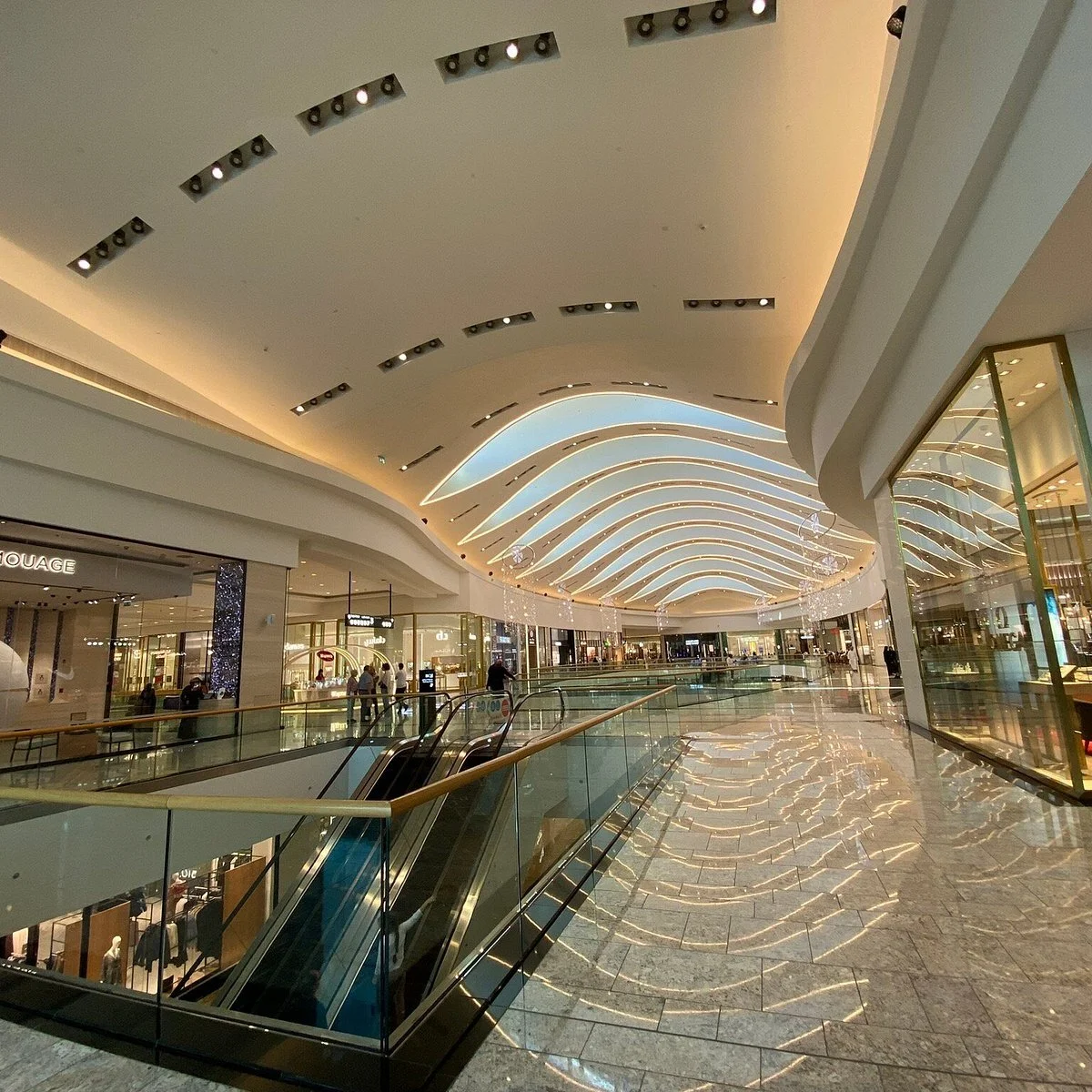
Located in the Muscat Grand Mall, this shop positions itself as a luxury bespoke tailoring house. It is a top choice if you are looking for a high-end, Italian-inspired suit.
Specialty: Offers premium Italian fabrics and a full bespoke service where they design the suit from scratch to fit your posture and style.
Offerings: Custom suits, ceremonial attire, and ready-to-wear collections.
Vibe: Modern and sophisticated, focusing on a "Gentleman's" experience.
Address: Urban Moss is located on the First Floor (also known as the M Floor) of the Grand Mall Muscat. The mall's address is Al Khoud St, Muscat, Oman.
Linen Club
Situated in Oman Avenues Mall (Ghubrah), Linen Club is widely appreciated for its vast selection of high-quality fabrics and "Made to Measure" services.
Specialty: While famous for linen, they also stock premium wool and blends (brands like Zegna and Guabello) specifically for western suits.
Service: They provide a consultation to discuss the cut (slim, regular, modern) and occasion (corporate, wedding) before measuring.
Convenience: Located inside a major mall, making it easy to access for fittings.
The Raymond Shop
A classic and trusted name located on Ruwi High Street, this shop is a go-to for many when it comes to formal wear.
Specialty: They are renowned for their durable fabrics and reliable stitching services. You can select the fabric in-store and have it tailored right there.
Style: Best for classic, professional business suits and formal trousers.
Staff: Known for having experienced master tailors who understand traditional suit construction.
Address: Souq Ruwi St, Muscat
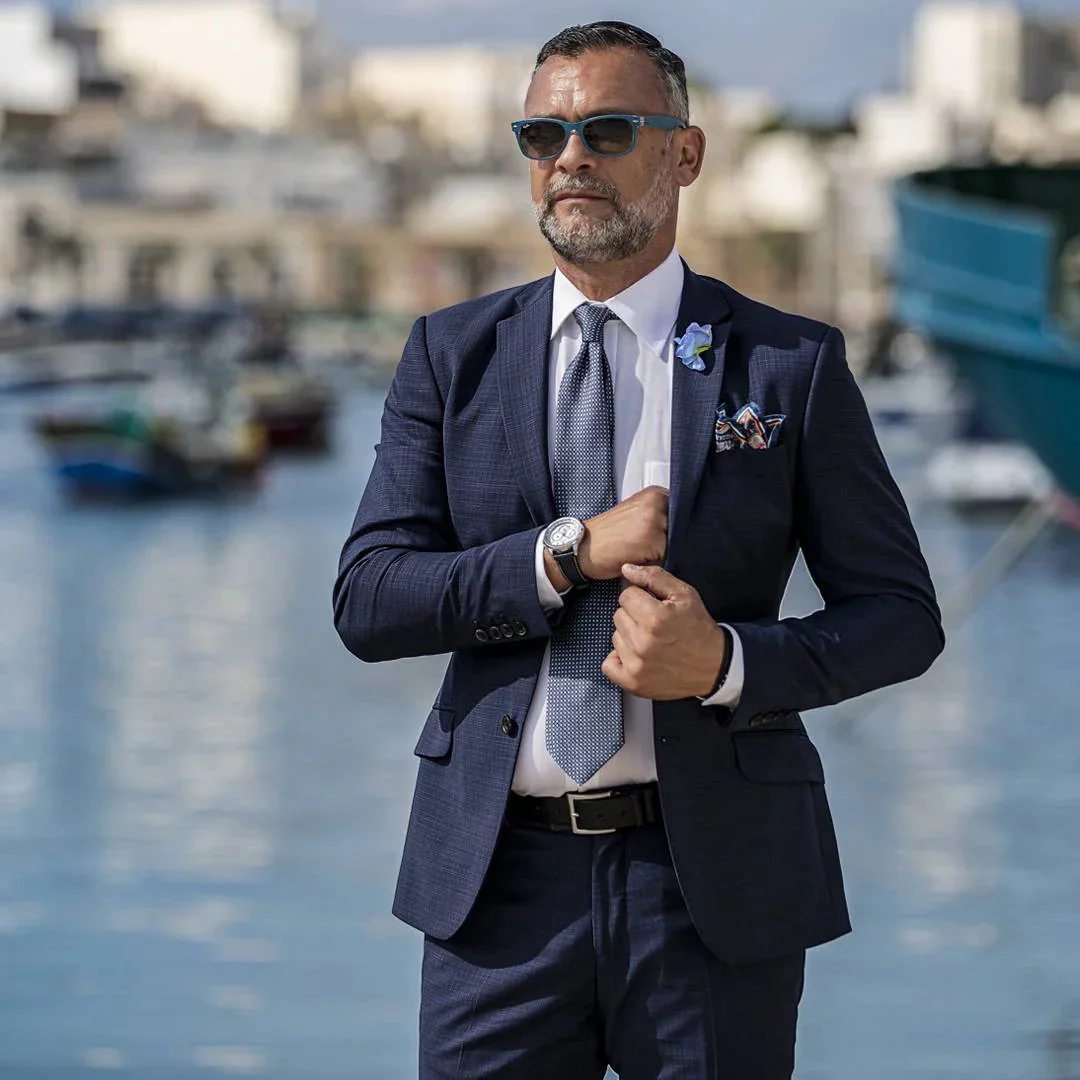
About Omani men’s wear.
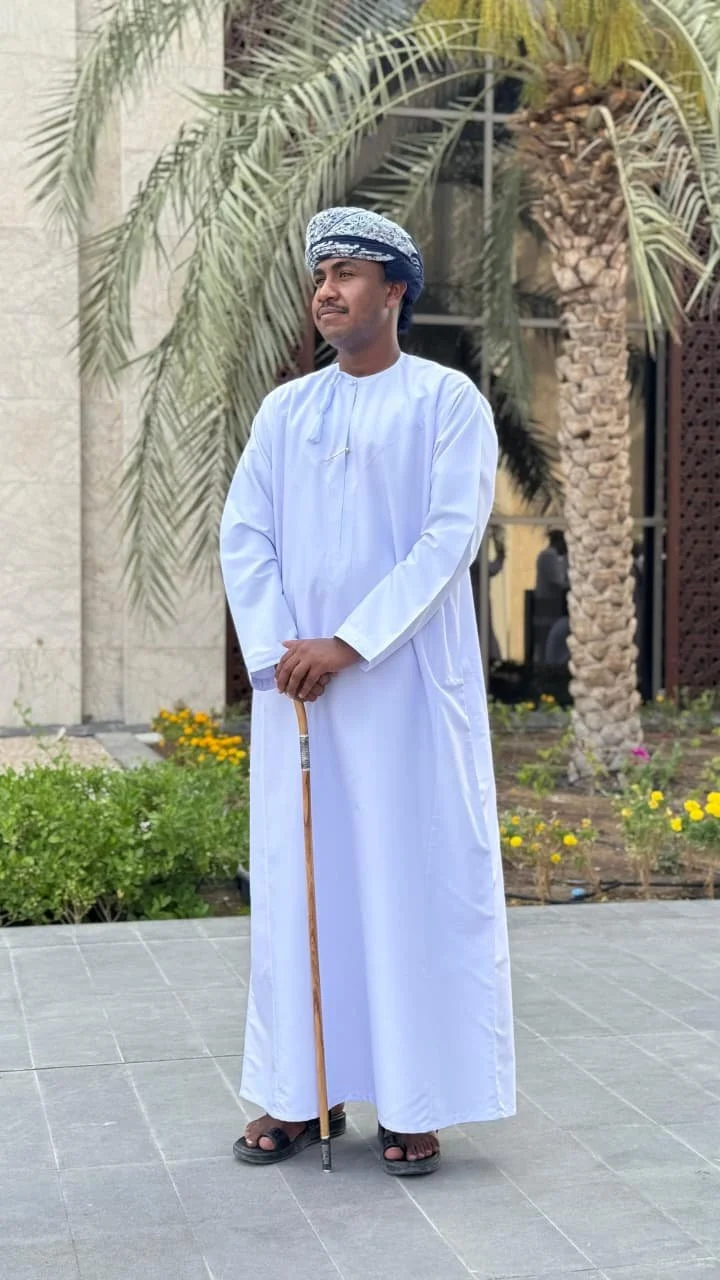
Omani men’s traditional dress is distinctive, elegant, and widely worn in daily life, unlike in some other Gulf countries where Western clothing is more common for work. The style is practical for the hot climate but deeply rooted in national identity.
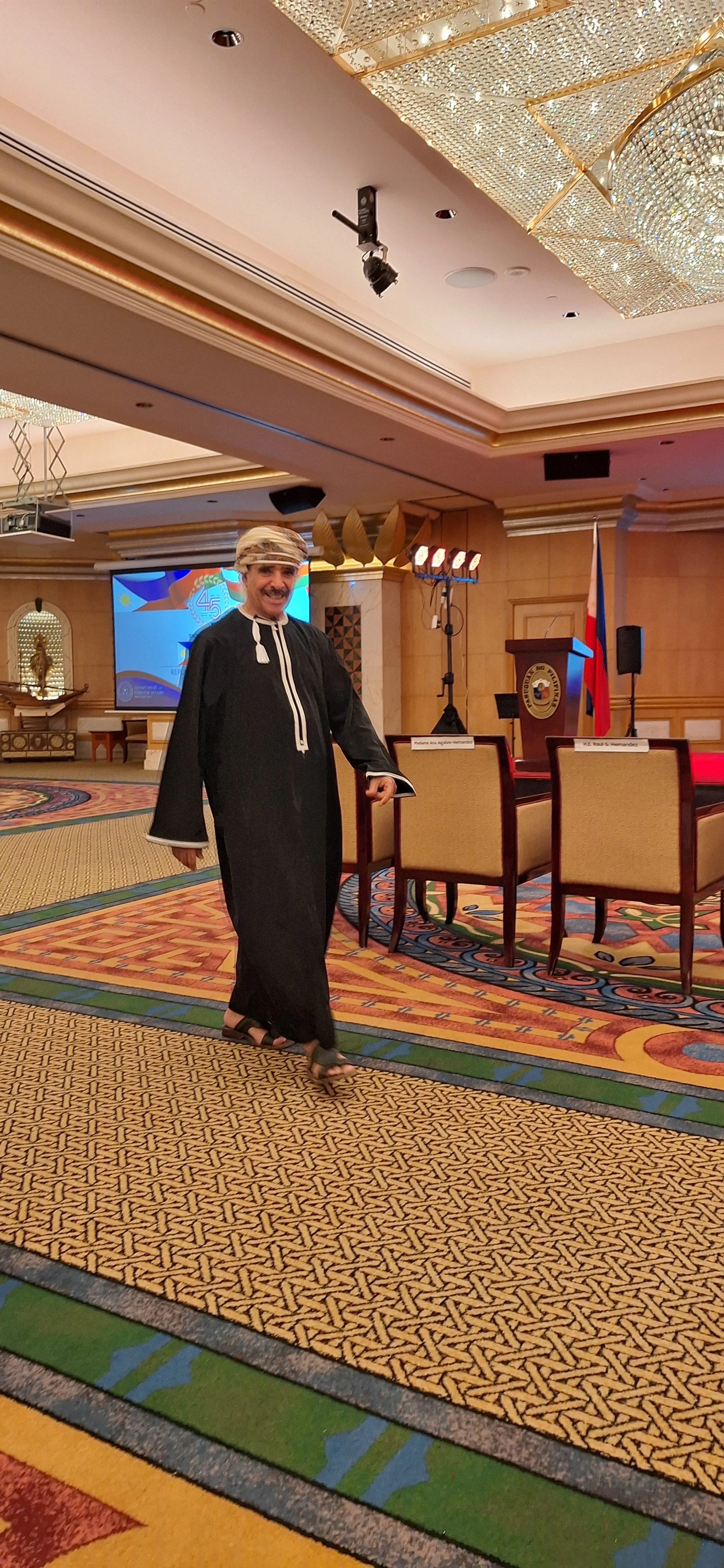
The Dishdasha (The Robe)
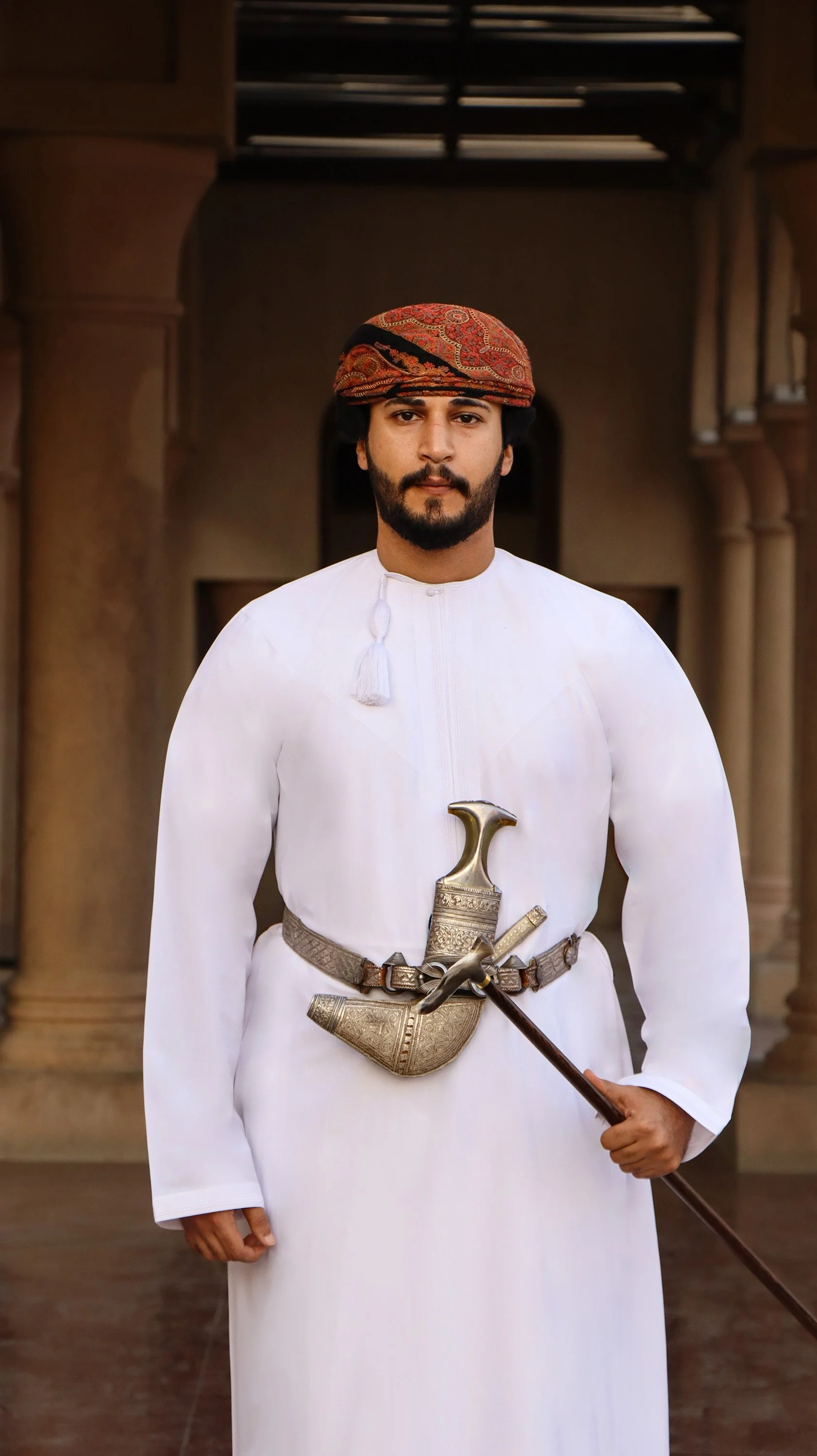
The centerpiece of the outfit is the Dishdasha, an ankle-length, collarless robe.
Style: It is typically characterized by a central tassel hanging from the neckline, called a furakha (often scented with oud or perfume). The embroidery around the neck, chest, and cuffs is often subtle but precise.
Colors: White is the standard for formal occasions, government work, and business. However, you will see a wide variety of colors—browns, lilacs, blues, and greys—worn in casual settings.
Fabric: As you noticed with the tailors, fabrics range from lightweight cottons (for summer) to heavier wool blends (for winter), with Japanese and Italian textiles being highly prized.
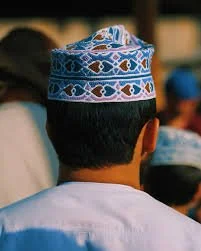
Headgear
Omani men almost always cover their heads, and the type of headgear often denotes formality.
The Kummah: This is an embroidered, round cap with holes for ventilation. It is the standard daily wear for most men. They are often hand-stitched and come in colorful, intricate patterns.
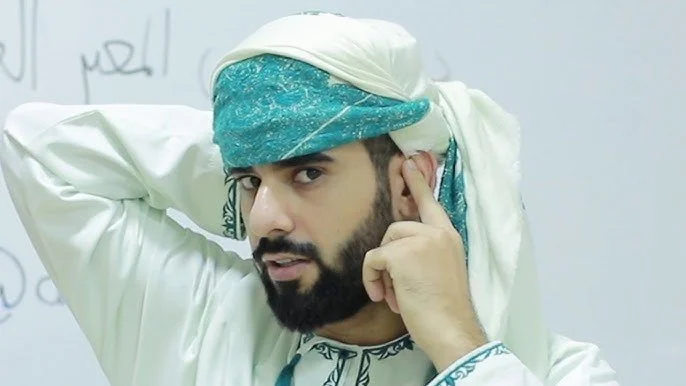
The Massar: This is a wool or cashmere turban wrapped around the head (usually over a Kummah). It is worn for work, weddings, and formal events. The pattern and quality of the Massar can signal status and style.

The Wuzar (The Under-Wrap)
The Wuzar is a rectangular piece of cotton fabric wrapped around the waist and extending down to the ankles. It functions similarly to a sarong or a kilt but is worn strictly as an undergarment beneath the Dishdasha.
Purpose & Modesty: Since the Dishdasha is a loose, open-bottomed robe, the Wuzar provides essential coverage and modesty. It ensures that the legs remain covered even when sitting on the floor or moving actively.
Design & Fabric:
Material: It is almost exclusively made of breathable cotton to handle the heat.
Pattern: While often plain white (especially under a white Dishdasha to prevent show-through), many Wuzars feature subtle checkered patterns, muted stripes, or colored borders.
How it is Worn: It is wrapped tightly around the waist and tucked in to secure it (though modern versions sometimes come with elastic bands or velcro for convenience). It is generally worn a few inches shorter than the Dishdasha so it remains invisible while standing.
Formal Accessories
For weddings, Eid, or official ceremonies, the outfit is elevated with specific accessories:
The Khanjar: A curved ceremonial dagger usually made of silver, worn on a belt around the waist. It is the national symbol of Oman.
The Assa: A cane or stick carried by hand, often used by older men or during traditional dances and ceremonies.
Footwear
Omani wear sandals under the dish dasha. It is comfortable, also considering the heat, and when going to the mosque it is easy to leave them at the entrance after washing the feet.
Musars
The Musar (also spelled Mussar) is the traditional turban worn by Omani men. It is far more than just a piece of headwear; it is a profound symbol of national identity, dignity, and elegance.
While the Kummah (the embroidered cap) is worn for casual daily use, the Musar is the equivalent of a tie and jacket in Western business attire, essential for formal occasions, government work, and celebrations.
1. The Fabric: The Kashmiri Connection
Unlike the headgear in neighboring Gulf countries (which typically use the Ghutra or Shemagh made of cotton), the Omani Musar is unique because it is traditionally made of wool.
Origin: The finest Musars are imported from Kashmir, India. There is a centuries-old trade relationship between Oman and Kashmir specifically for this textile.
Material:
Pashmina: The most prized Musars are made of 100% Pashmina goat wool. They are incredibly soft, warm, and delicate.
Turma: A blend of wool and cotton, slightly more durable and affordable.
Shatoosh: Historically the most expensive and rare, though trade is now heavily restricted due to conservation efforts.
Patterns: They are square cloths featuring intricate hand-embroidered patterns. The designs are often floral or geometric paisley motifs (Buta) along the borders.
2. Regional Styles (The Art of Wrapping)
One of the most fascinating aspects of the Musar is that the way it is wrapped often tells you where a man is from. While modern fashion has blurred these lines, distinct regional styles remain:
The Muscati Style (General/Official):
Look: Neat, symmetrical, and covers the ears. It usually has a "tail" at the back.
Usage: This is the standard style seen on government officials and news anchors. It conveys professionalism and order.
Technique: It is wrapped tightly over a Kummah (cap) which provides the structural shape (like a frame).
The Suri Style (From Sur):
Look: Distinctive and artistic. It is often wrapped loosely with the ears exposed.
Details: It may feature multiple folds or "steps" on the forehead. The tail is sometimes brought forward or draped elegantly over the shoulder.
Vibe: It has a maritime, merchant flair, reflecting Sur’s history as a major seafaring hub.
The Dhofari Style (From the South):
Look: Often wrapped without a Kummah underneath.
Details: The wrapping can be more voluminous or have a different drape that allows for better airflow, suited to the humid climate of Salalah. Some styles involve leaving a long tail draping over the chest or shoulder.
Color: You will often see bright, bold colors or specific patterns unique to the southern tribes.
3. When is it Worn?
Government & Office: It is mandatory official dress for Omani men working in the public sector.
Weddings: The groom and male guests will almost always wear a Musar, often pinning a Khanjar (traditional dagger) at the waist to complete the formal look.
Eid & Religious Holidays: It is customary to buy a new Musar for Eid celebrations.
Funerals: A Musar is worn as a sign of respect; attending a funeral bareheaded or in just a Kummah is generally considered too casual.
4. Selection and Care
Matching: A man will usually select a Musar that picks up the accent colors of his Dishdasha (the long robe). For example, if the Dishdasha is white with a thin brown tassel, he might choose a brown or beige Musar.
Price: A high-quality hand-stitched Pashmina Musar is an investment. Prices can range from 20 OMR ($50) for basic cotton/wool blends to over 500 OMR ($1,300+) for the finest hand-woven Kashmiri wool.
Care: Because they are made of delicate wool, they cannot be machine washed. They must be dry-cleaned or hand-washed gently to preserve the embroidery and the integrity of the wool.
5. Modern Evolution
In recent years, young Omanis have begun experimenting with "pre-tied" Musars (stitched into shape so they can be put on like a hat) for convenience, though traditionalists prefer the art of wrapping it by hand each time. There is also a trend toward "subtle luxury," where the embroidery is tone-on-tone (e.g., white embroidery on a white Musar) for a very sleek, modern look.
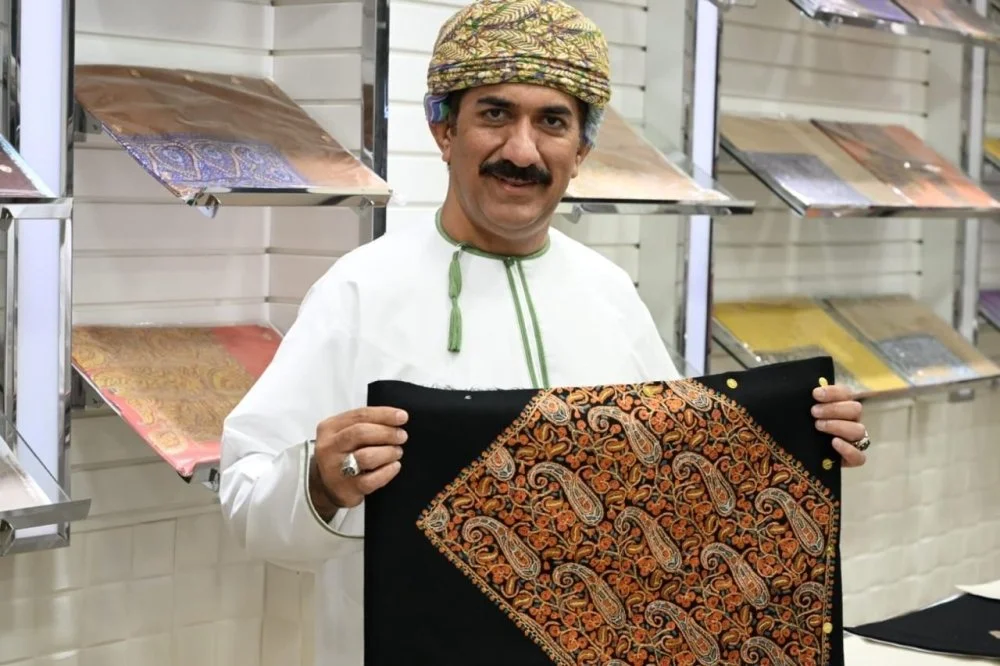
Men’s wear shops for Omani dresses.
Al Obaidani Stores
Widely considered the "gold standard" for Dishdashas in Oman, Al Obaidani has been established since 1964 and is the go-to for premium, ceremonial-grade attire.
Best for: High-end bespoke tailoring and special occasions (like weddings or Eid).
Fabrics: They are famous for their exclusive range of Japanese and Italian fabrics that are specifically woven for the Omani climate.
Service: Highly professional measurement and fitting service, often with a "membership" feel for repeat clients.
Location: Al Obaidani has over 20 branches all over Muscat. CHECK www.al-obaidani.com