Kenya - Oman
The Maritime Frontier: Blue Economy Synchronization, East African Logistics, and Cross-Oceanic Investment

Embassy of the Republic of Kenya in Muscat
Introduction: The relationship between the Republic of Kenya and the Sultanate of Oman stands as an enduring, historic bridge crossing the Indian Ocean, with ancestral ties stretching back to the 17th century. In the 2026 diplomatic landscape, this connection operates at a highly specialized, accelerated tempo, transforming ancient seafaring routes into modern economic engines. Following the systematic late-2025 Inter-Ministerial Political Consultations in Muscat, bilateral focus has locked directly onto the cross-oceanic realization of Oman Vision 2040. Under the progressive stewardship of H.E. Abdi Aden Korio, the Kenyan chancellery acts as a key industrial gateway—unifying East African multi-modal trade, high-yield agricultural supply chains, and joint marine frameworks to reinforce mutual economic sovereignty.
🎖️ MISSION DETAILS
Ambassador: H.E. Abdi Aden Korio
2026 Strategic Milestone: Operationalization of the Mombasa-Mascat Marine Corridor Logistics Framework and expanded SEZ investment protocols.
Key Projects: Tatu City Capital Venture Exchange; Mombasa-Duqm Shipping Connectivity; East Africa Trade Exhibition Integration.
Address: Way No. 3050, Villa No. 4074, Shatti Al Qurum, P.O. Box 173, Bareeq Al Shatti, Muscat, Post Code 103, Sultanate of Oman.
Phone Number: +968 24 697 664
Official Email:muscat@mfa.go.ke / info@kenyaembassymuscat.com
Opening Hours: 08:30 – 15:00 (Sunday – Thursday)
🏗️ THE ECONOMIC & INDUSTRIAL BRIDGE: 2026 STRATEGIC INTELLIGENCE
I. The Blue Economy and Maritime Infrastructure Axis
As direct neighbors facing the Indian Ocean Rim, the paramount economic synergy for the 2026 cycle centers on coastal asset mobilization and supply-chain resilience.
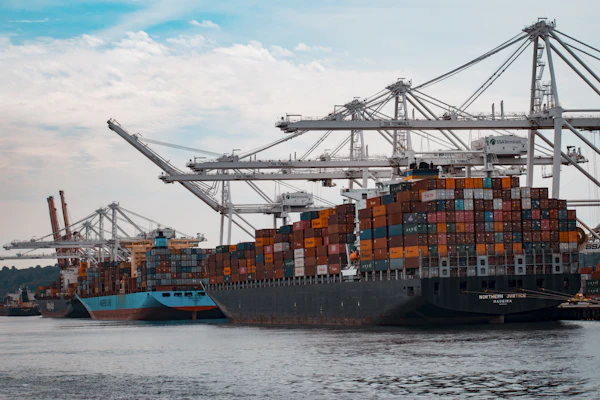
Port-to-Port Integration: Formal frameworks actively link the infrastructure capabilities of the Port of Mombasa with Oman’s maritime gateways in Duqm and Salalah, establishing a fast-tracked logistics corridor for East African trade.
Oceanic Resource Management: Joint technical consultations prioritize maritime security collaboration, sustainable deep-sea fishing regulation, and marine ecosystem conservation in line with United Nations Environment Assembly objectives.
II. Trade Diversification & Special Economic Zone Projects
The commercial roadmap emphasizes high-value investment capital and industrial joint ventures.
Special Economic Zone Investment: Building on lessons from flagship infrastructure blueprints like Nairobi's Tatu City Multi-Use SEZ, the chancellery is actively routing Omani corporate capital into Kenyan technology hubs and agro-processing clusters.
Food Security and Export Corridors: Kenya has structured preferential agricultural pathways to secure steady streams of premium fresh produce, tea, coffee, and livestock products directly into Omani consumer centers, ensuring food supply resilience for the Sultanate.
III. Human Capital & Institutional Exchange
The bilateral foundational bond is driven by public and private sector leadership synchronization.
Bilateral Leadership Synchronization: Continuous high-level interactions—such as recent strategic meetings between the First Lady of Kenya, Rachel Ruto, and the Omani diplomatic core—maintain synchronization regarding sustainable development and community peace initiatives.
Diaspora Infrastructure: The chancellery manages a highly active framework to support and protect Kenyan professionals specialized in public health, hospitality, and engineering who are driving local value inside the Sultanate.