THE ORIENTAL PIANO: Zeina Abirached & Stéphane Tsapis
THE ORIENTAL PIANO: Zeina Abirached & Stéphane Tsapis
Can a single musical instrument bridge the gap between two completely different worldviews? On April 28, 2026, the historic halls of the Bait Al Zubair Museum in Muscat provided the definitive answer.
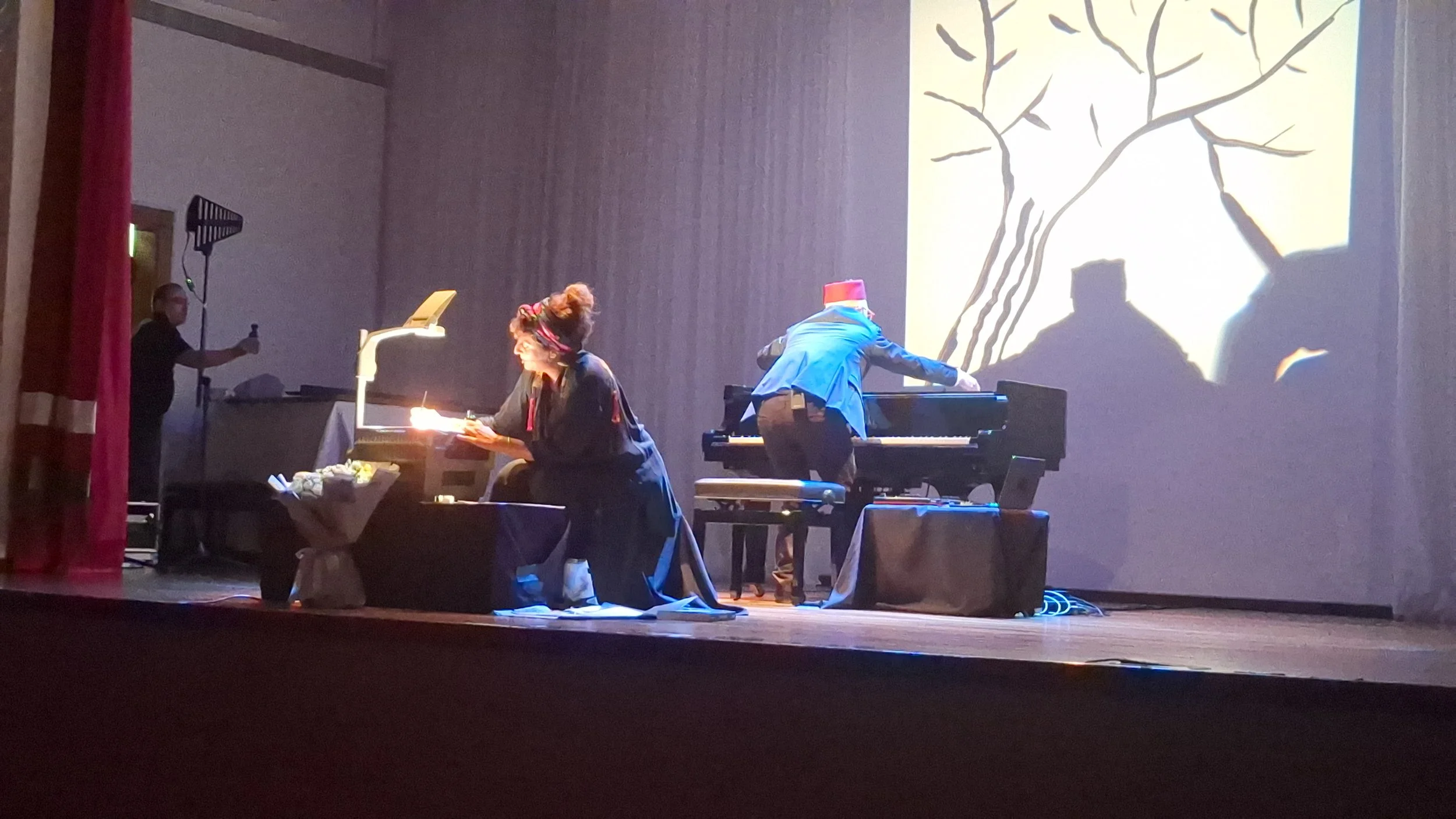
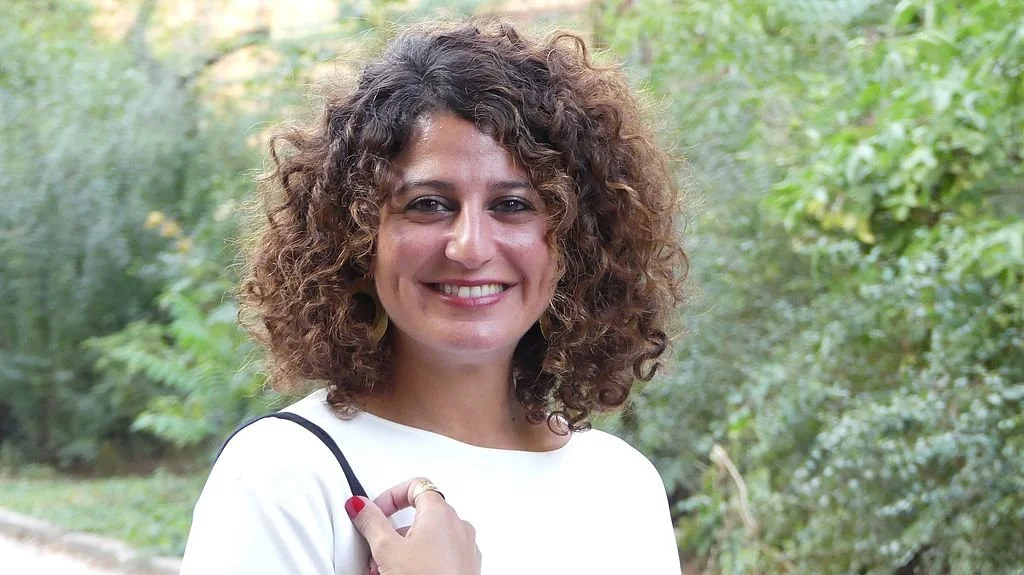
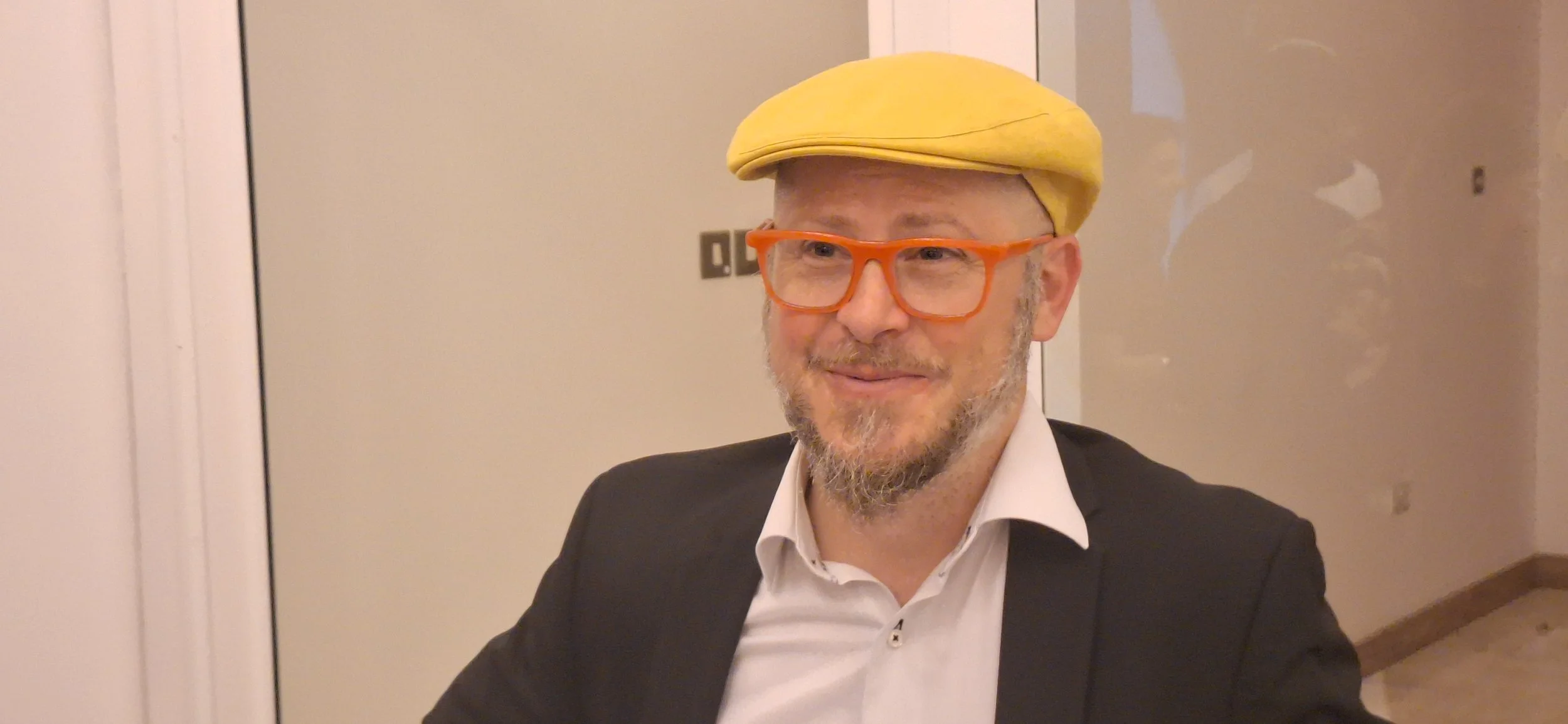
To mark the grand finale of the French Weeks 2026, graphic novelist Zeina Abirached and acclaimed jazz pianist Stéphane Tsapis presented "The Oriental Piano"—a profound, multi-sensory live performance that completely redefined the intersection of graphic literature, live musical improvisation, and cross-cultural history.
Zeina Abirached
Stéphane Tsapis
The Quarter-Tone Dream: Abdallah Chahine’s Legacy
At the absolute heart of the performance lies a fascinating piece of musical history: the invention of the bilingual piano. The narrative, adapted from Zeina Abirached’s celebrated graphic novel, traces the real-world obsession of her great-grandfather, Abdallah Chahine, in 1950s Beirut. Chahine set out on a seemingly impossible mission—to alter a traditional Western piano so it could accurately play the "quarter-tones" essential to traditional Arabic maqam music, without losing its ability to play classical Western scales.
This mechanical triumph resulted in a unique instrument that could seamlessly speak two musical languages at once. In the theater of modern diplomacy, this piano serves as a perfect metaphor for the relationship between France and Oman: an intentional, highly precise harmonization of two distinct identities into a single, beautiful soundscape.
A Symphony of Ink and Ivory
The performance at Bait Al Zubair was not a standard recital, but a live, evolving conversation between two master creators:
The Live Canvas: Using a digital drawing tablet projected onto a massive screen above the stage, Zeina Abirached drew live in real-time. Her bold, black-and-white graphic style—rich with geometric patterns that mirror both Parisian architecture and traditional Arabic design—developed right before the audience's eyes.
The Sonic Architecture: Pianist Stéphane Tsapis matched every stroke of Abirached’s digital pen with breathtaking jazz variations, traditional Arabic melodies, and avant-garde rhythms. The piano strings became a physical playground where Western classical structure met the fluid, emotional expressiveness of the Levant.
As the music swelled, the ink flowed; as the ink took shape, the music shifted. The audience watched memories of childhood, family lineage, and city streets materialize and dissolve in perfect synchronization with the keys.
The Finale of French Weeks 2026
Under the leadership of H.E. Ambassador Nabil Hajlaoui and First Counselor Luciano Rispoli, the French Embassy has systematically used the French Weeks initiative to push past dry corporate meetings and embrace living, breathing cultural dialogues.
By bringing "The Oriental Piano" to Muscat, the chancellery didn't just showcase an artistic performance; they honored the shared Mediterranean-Arab history of connection.
For the gathered elite diplomatic corps, Omani cultural figures, and international guests, the evening at Bait Al Zubair was a reminder that true alliance is built on deep mutual expression.
As the final note faded and the last line of ink settled, it was clear that the Muscat-Paris axis continues to find its rhythm—proving that when two cultures listen to one another, they create a melody that lingers long after the curtain falls.