
France -THE ORIENTAL PIANO: Zeina Abirached & Stéphane Tsapis
Tonight, Tuesday, April 28, 2026, the French Weeks in Oman culminate in a masterpiece of cross-cultural storytelling. Held at the prestigious Bait Al Zubair museum, the closing event—"The Oriental Piano"—is more than a performance; it is a live dialogue between the visual and the auditory, bridging the shores of the Mediterranean with the heart of Muscat.
Under the patronage of H.E. Nabil Hajlaoui, this evening marks the peak of the 2026 "Muscat-Paris Axis," proving once again that the most enduring diplomatic ties are those written in the language of art.
The Visionaries: Zeina Abirached & Stéphane Tsapis
To understand the weight of tonight’s performance, one must look at the exceptional pedigree of the artists leading the narrative.
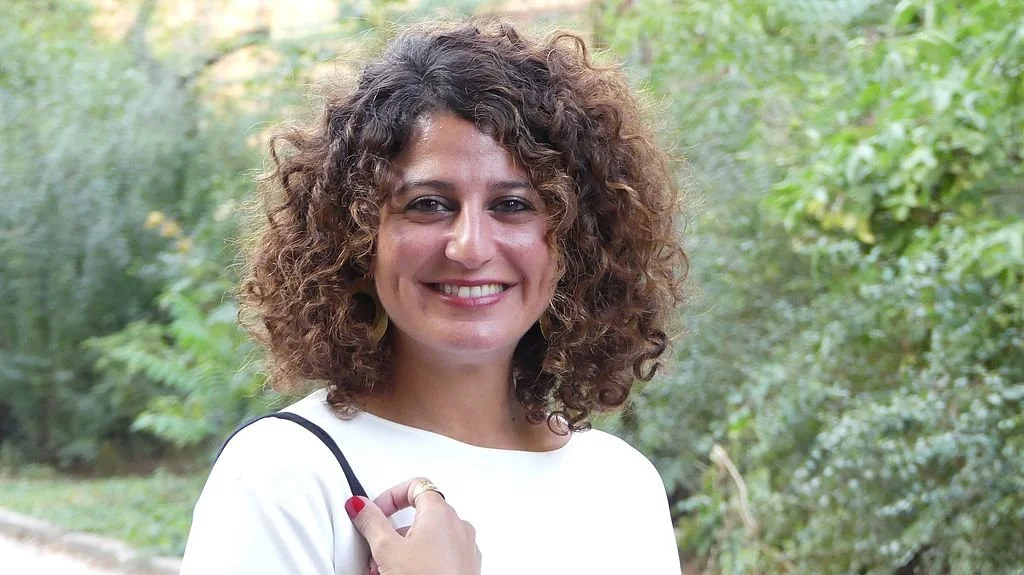
Zeina Abirached: The Graphic Novelist of Memory
Zeina Abirached is one of the most celebrated Franco-Lebanese graphic novelists of our time. Her work, often characterized by its striking black-and-white aesthetic, explores the delicate intersections of identity, memory, and the "dual culture" of the Levant and Europe.
The Inspiration: Tonight’s performance is inspired by her award-winning graphic novel Le Piano Oriental. It tells the story of her great-grandfather’s quest to create a piano capable of playing the "quarter tones" of Arabic music—a metaphor for the beautiful complexity of living between two worlds.
The Live Element: Watching Abirached "draw" the narrative live while the music unfolds is a rare experience in Muscat’s cultural calendar, offering a modern take on the ancient art of the storyteller.
Stéphane Tsapis: The Virtuoso of the Hybrid Keys
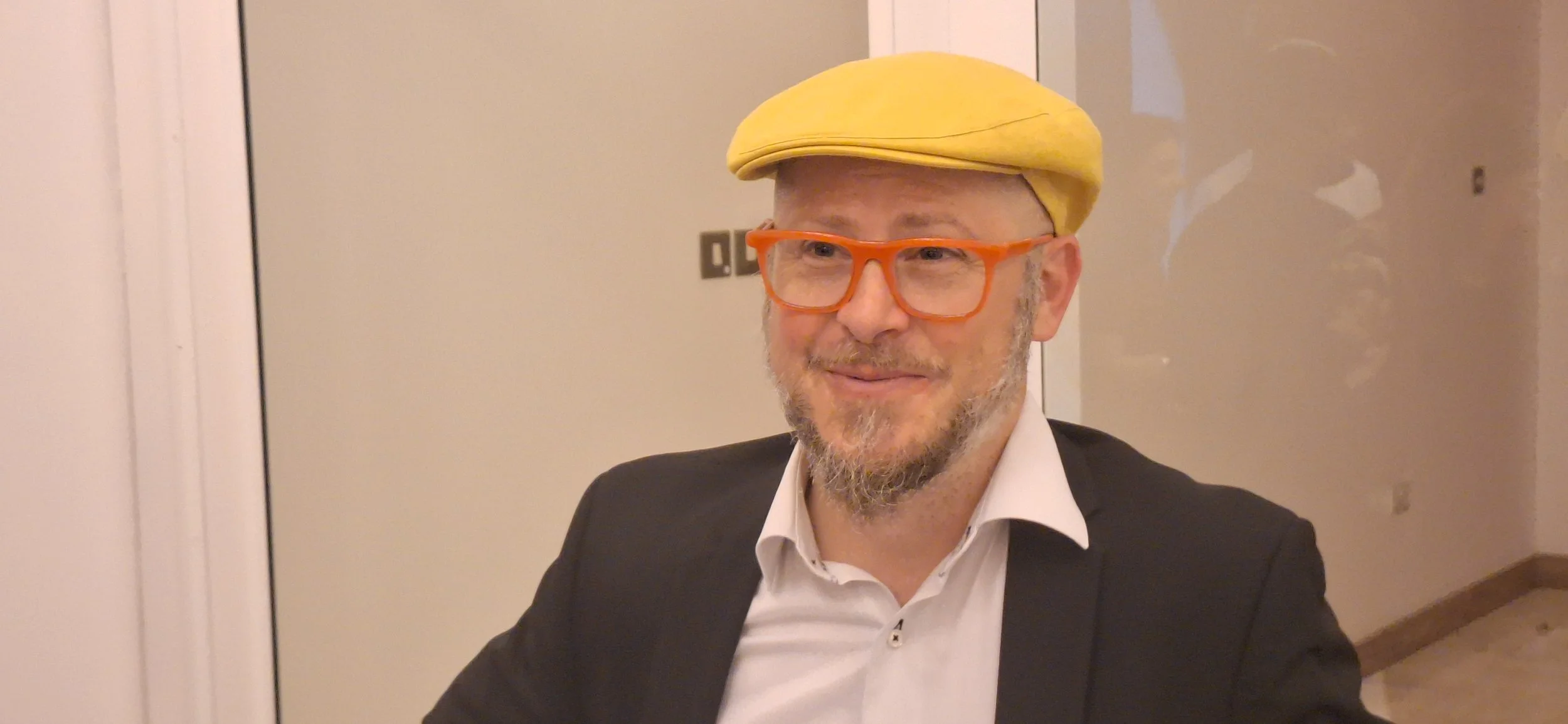
Accompanying the visual journey is the acclaimed pianist and composer Stéphane Tsapis. A master of the "Cultural Fusion" genre, Tsapis is known for his ability to weave Greek, Arabic, and French jazz influences into a singular, breathtaking soundscape.
The Sound of the Bridge: Tsapis doesn't just play the piano; he makes it speak. His collaboration with Abirached ensures that every stroke of the pen is met with a harmonic echo, perfectly capturing the "Oriental" soul within a Western classical frame.
The journey starts, “The Oriental Piano”

The story of Le Piano Oriental is one of the most delicate and moving "bridges" in modern graphic literature and performance. It is a tale that doesn't just sit on a page; it breathes through the keys of a piano and the strokes of a pen.
At its heart, this is a story of Abdallah Chahine (portrayed as Abdallah Kamanja in the novel), Zeina Abirached’s real-life great-grandfather. In the vibrant, golden-age Beirut of the 1950s, Abdallah was a man possessed by a single, beautiful obsession: he wanted to make a Western piano "speak" his native tongue.
The Invention of the "Bilingual" Piano
Traditional Western pianos are "tempered"—they move in half-steps (semitones). But Arabic music lives in the quarter-tones, the tiny, soulful spaces between the keys that give the music its emotional depth.
Abdallah spent years dismantling and reassembling pianos until he created a mechanical miracle. By adding a specific pedal, he could shift the entire keyboard slightly, allowing the hammers to strike a different set of strings tuned to quarter-tones. This was the Oriental Piano—a "bilingual" instrument that could play a Bach prelude in one moment and an Arabic maqam the next without missing a beat.
There is a problem: there is a note missing on the piano of Abdullah, from “the Oriental Piano”
Abdullah frantically searching for his half note on the piano, “The Oriental Piano”.
The Metaphor of the "In-Between"
Zeina Abirached weaves this historical narrative with her own modern-day life, navigating the space between Beirut and Paris. The story becomes a metaphor for anyone who lives with two languages in their head:
The "Quarter-Tone" Life: Just as the piano finds a way to exist between two musical systems, Zeina finds her balance between the Arabic she speaks with her heart and the French she speaks with her mind.
The Black and White: Her choice of stark, high-contrast black-and-white art mirrors the piano keys themselves. There are no gray areas—only the rhythm of the lines and the silence of the page.
The Performance: Zeina Abirached & Stéphane Tsapis
In the performance you are seeing tonight, the story is "drawn live." Stéphane Tsapis, a virtuoso of Mediterranean jazz, plays the role of the musical soul. He uses a specially prepared piano (sometimes using a replica of the original prototype) to bring those elusive quarter-tones to life.
A Dialogue: As Zeina narrates and draws live on a screen, Stéphane responds to her ink with his notes. It is a "drawn concert" where the music and the imagery are chasing each other in real-time.
The Link to Poetry
This is where the story connects so deeply to the Omani spirit. In Oman, poetry is often described as the "Register of the Arabs" (Diwan al-Arab). It is an art of precision, where the weight of a single syllable can change the entire meaning of a verse.
Le Piano Oriental shares this exact delicacy. It treats memory as a poem. Just as an Omani poet finds a universe in the rhythm of the Nabati verse, Zeina and Stéphane find an entire world in the "quarter-tones" of history. It is a reminder that we don't have to choose one world or the other—we can be the bridge that connects them both.
Tonight at Bait Al Zubair, we weren’t just watching a show; we were watching a mechanical and poetic dream finally come home to a land that understands the power of a story told with grace.
The Quiet Support
Tonight’s elegance is made possible by the quiet, steady support of the French business community in Oman—names like Airbus, Thales, and TotalEnergies—who have stepped back to let the art take center stage. Their presence at the bottom of the invitation is a silent nod to the fact that even the most modern industries are built on the foundations of culture.