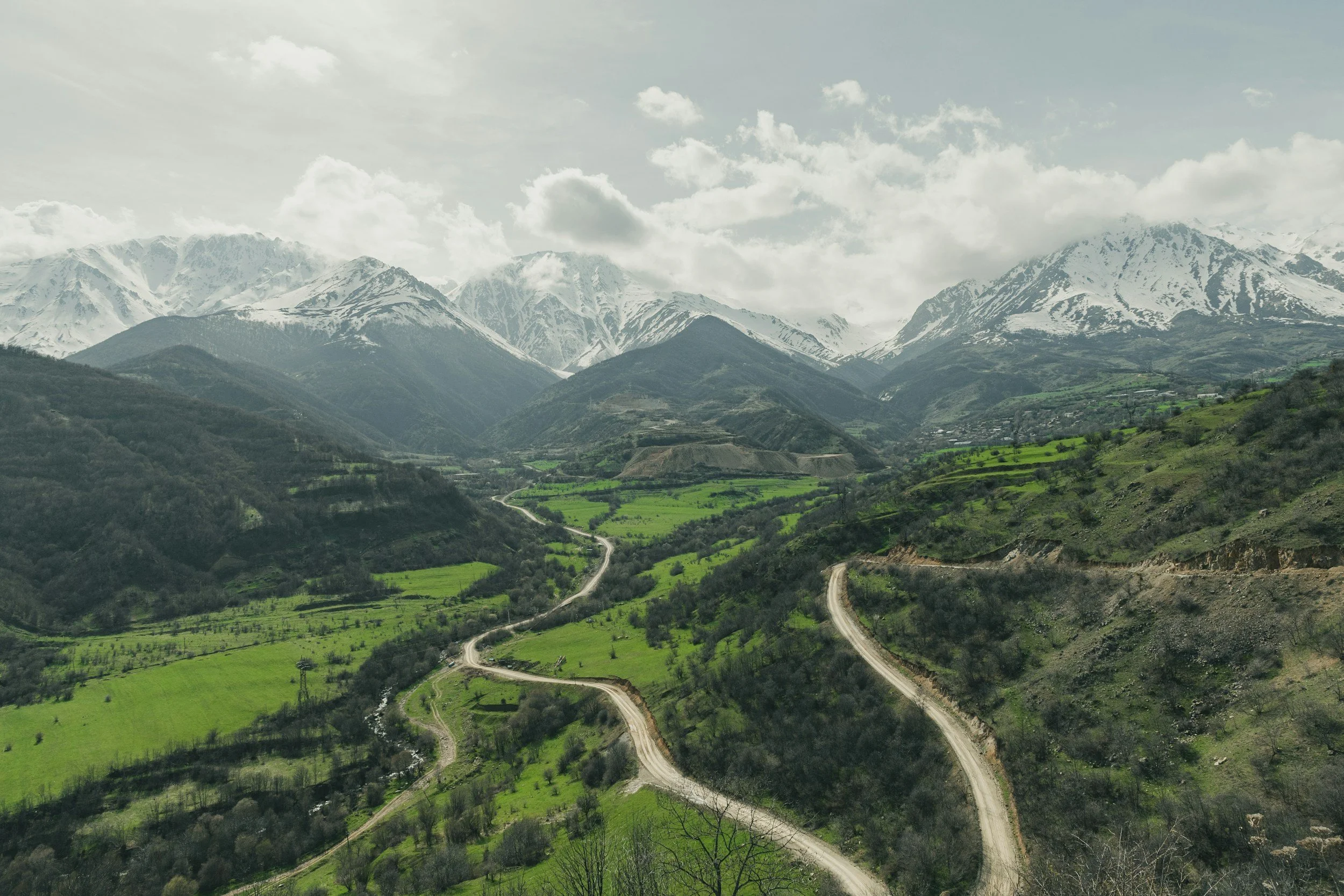
Armenia - Donizetti’s “Don Pasquale”: A 400-Year Symphony of Silk and Stone
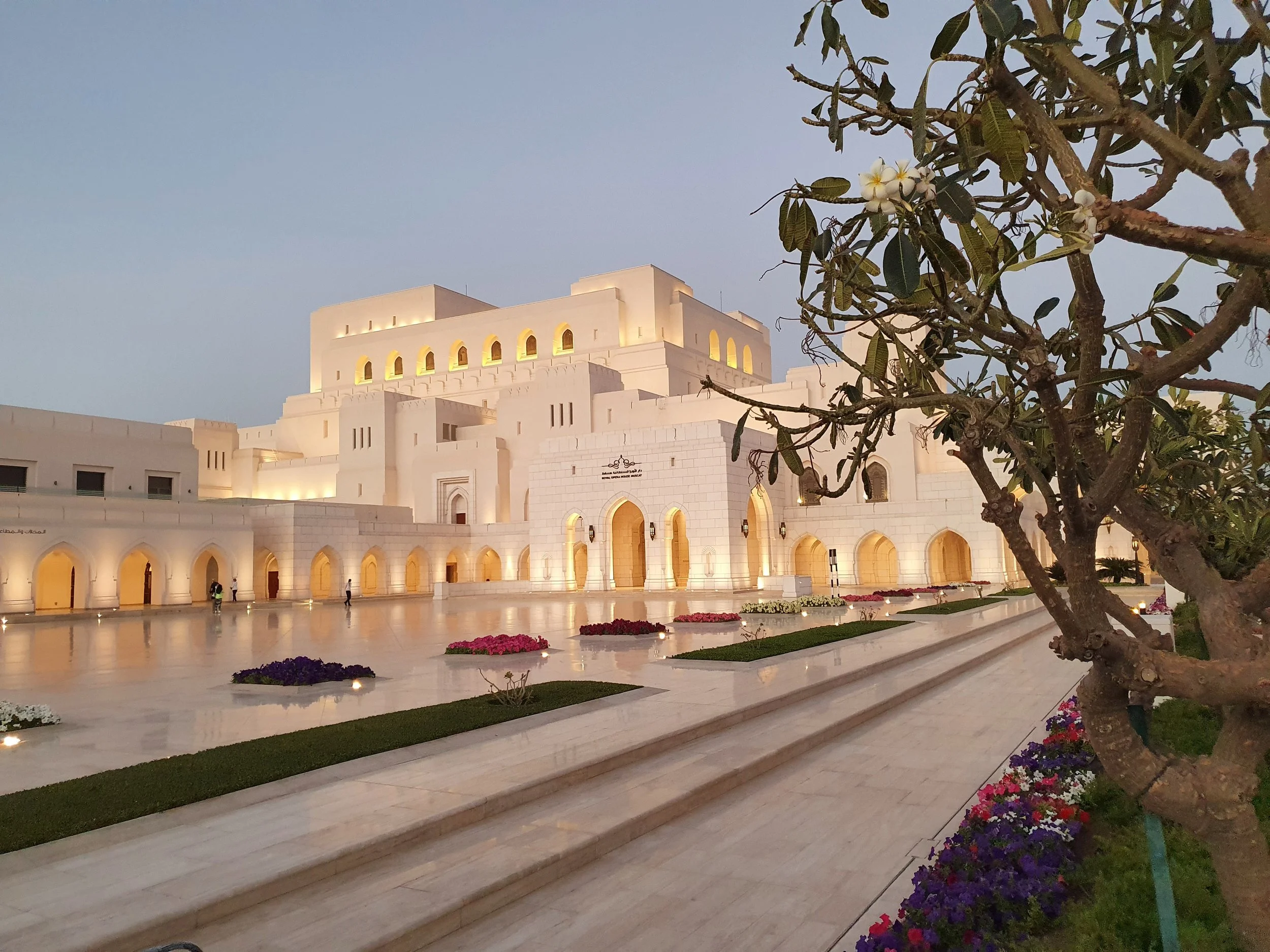
Wonderful accoustics in the Royal Opera House Muscat
The 2026 Diplomatic Milestone
The curtains at the Royal Opera House Muscat (ROHM) this weekend rise on a landscape that has been 400 years in the making. The official opening of the Resident Embassy of Armenia on March 18, 2026, was not merely a ribbon-cutting; it was a "Geopolitical Homecoming." As Armenian Foreign Minister Ararat Mirzoyan and Oman's Sayyid Badr bin Hamad Albusaidi raised the tricolor in Shatti Al Qurum, they signaled the end of Armenia as a "distant neighbor" and its birth as a "strategic resident." This residency of the Armenian State Symphony Orchestra (ASSO) and the Yerevan State Chamber Choir is the first grand cultural statement of this new era.
🏛️ THE HISTORICAL ARCH: From the Caucasus to the Indian Ocean
How did two nations separated by thousands of miles of desert and mountain find each other? The answer lies in the "Merchant Intelligence" of the 17th century.
The Silk Road Synthesis: While Oman (then the Empire of Majan and later the Yarubid dynasty) mastered the monsoon winds of the Indian Ocean, Armenian merchants from New Julfa were the undisputed masters of the overland Silk Road. They were the "Connective Tissue" of the global economy, moving silk, spices, and statecraft between the Safavid, Ottoman, and Omani empires.
The Zanzibar Connection: In a landmark 2026 Strategic Accord, the National Museum of Oman and the Museum of History of Armenia have begun unearthing a "hidden" history: the Armenian Diaspora in Zanzibar. During the height of the Omani Empire’s influence in East Africa, Armenian families were vital components of the multicultural trade fabric of Stone Town, protected by the Sultan’s inclusive maritime law.
🏰 THE ARCHITECTURAL CANVAS: The Royal Opera House Muscat
To witness this Armenian residency within the Royal Opera House Muscat is to see a dialogue between two masters of stone. Armenia, a land of ancient volcanic tufa and khachkars, meets Oman’s architectural crown jewel—a structure that redefined the "Cultural Landmark" for the 21st century.
The ROHM is a marvel of Contemporary Omani Architecture, a serene fortress of white desert rose stone that glows under the Muscat sun. Its interior is a sanctuary of handcrafted teakwood, intricate stuccowork, and gold leaf, reflecting the Sultanate’s dedication to absolute craftsmanship. As the Armenian State Symphony tunes their instruments, the acoustics of the hall—engineered to be among the finest in the world—act as a silent participant in the performance. The building itself is a bridge: it uses the traditional geometry of Omani forts to house a stage that welcomes the world’s most sophisticated art forms, perfectly mirroring Armenia’s own journey from ancient heritage to modern innovation.
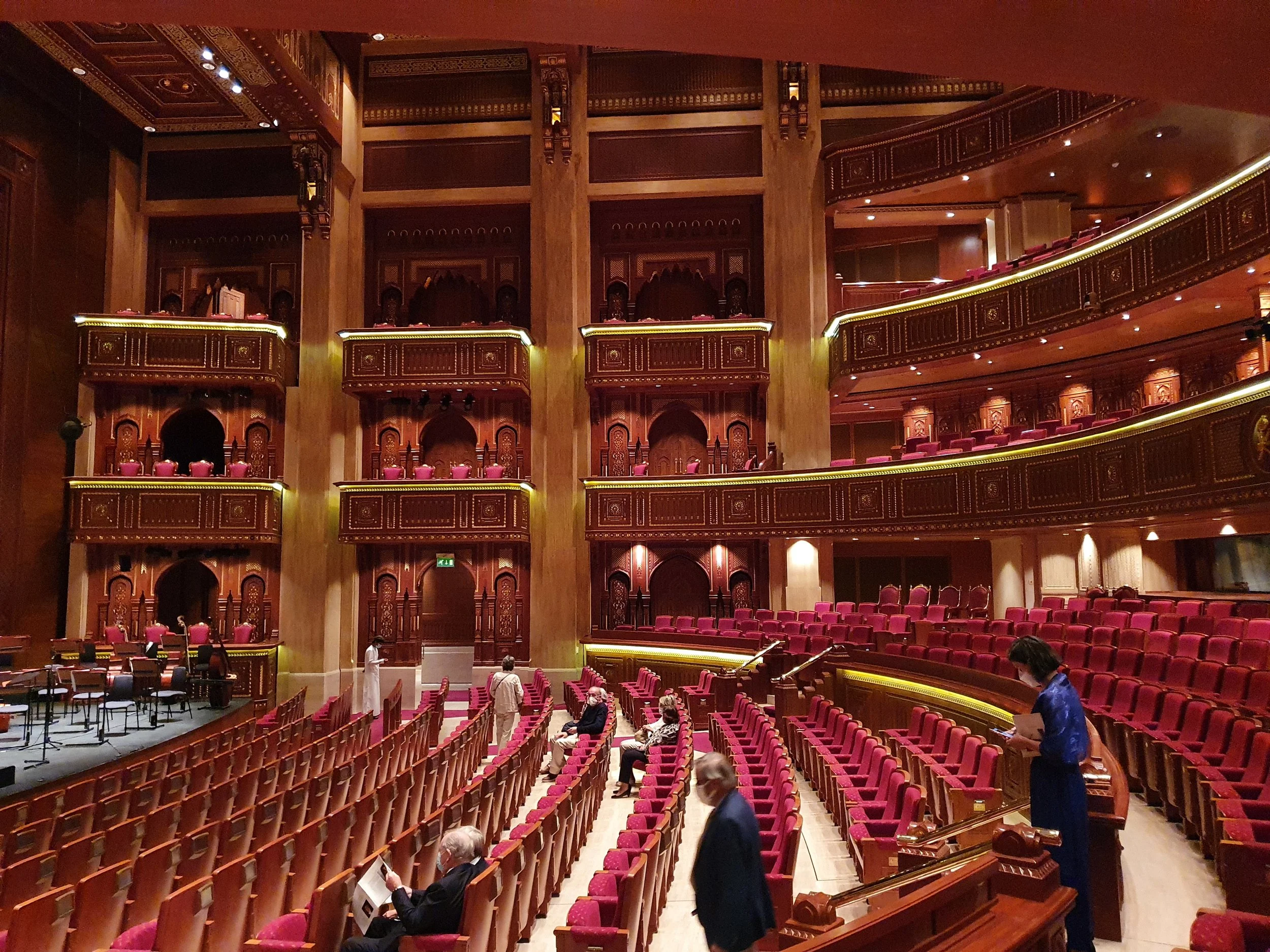
Royal Opera House Muscat, parterre
🇮🇹 THE ITALIAN BRIDGE: The Bel Canto Connection
The choice of Gaetano Donizetti’s Don Pasquale (1843) is a masterstroke of Italian Soft Power used to celebrate Armenian-Omani ties.
The Italian Maestro: The production is led by Gianluca Marciano, a conductor who embodies the "Mediterranean-Caucasus Axis." As an Italian leading an Armenian orchestra in an Omani house, Marciano proves that the Italian influence remains the universal language of diplomacy.
The Opera itself:Don Pasquale is the peak of Opera Buffa. It is a story of a wealthy, stubborn bachelor outsmarted by the wit of a young woman, Norina. For a global audience, it mirrors the 2026 spirit: the triumph of Agile Intelligence over stagnant, old-world bureaucracy.
The Legacy of Italy: Italy is the cradle of Opera, a land that taught the world how to fuse drama with the human voice. This Italian heritage provides the "neutral ground" where Armenia and Oman can meet. The Bel Canto style—emphasizing the beauty of the line and the agility of the voice—is the perfect metaphor for the diplomatic finesse required to open a resident embassy in a complex global landscape.
🎼 THE POWER OF THE ART FORM: Opera as the Great Connector
Why does Opera remain the ultimate vehicle for statecraft? Because it is a "Gesamtkunstwerk"—a total work of art. It combines music, theater, visual arts, and poetry into a single, overwhelming experience.
Opera transcends the barriers of spoken language. When a soprano from the Yerevan State Chamber Choir hits a high note, the emotion is understood in Muscat just as clearly as it is in Rome or Yerevan. It is an art form that demands vulnerability and power simultaneously. In an age of digital disconnection, the raw, unamplified human voice reaching across a theater creates a shared intimacy that no other medium can replicate. By choosing Opera for this milestone, Armenia and Oman are acknowledging that their partnership is not just about logistics or energy—it is about the shared human experience that only high art can articulate.
The Sultanate of Oman: The Maritime Sentinel of the Peninsula
A nation of rugged peaks and sweeping coastlines, the Sultanate of Oman is the historical gateway between the Arab world and the Indian Ocean. Defined by the soaring Al Hajar Mountains and a legacy of maritime exploration, it stands today as a global mediator and a sanctuary of architectural and cultural preservation. Through Oman Vision 2040, the Sultanate is translating its ancient trade heritage into a modern, sustainable future of technological innovation and industrial excellence.
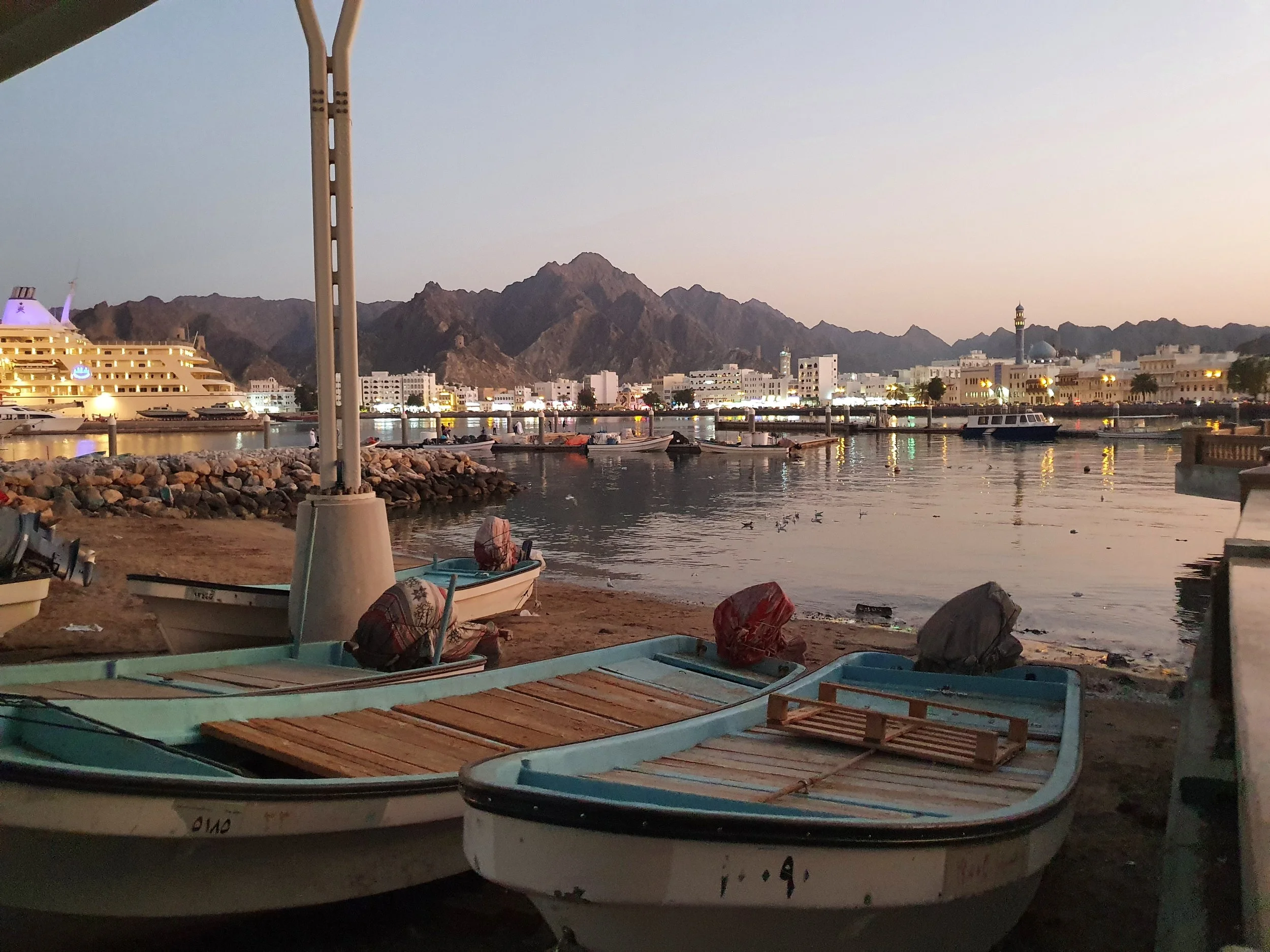
The Republic of Armenia: The High-Altitude Heart of the Caucasus
Perched at the strategic crossroads of Europe and Asia, Armenia is a land of "Stone and Spirit." As one of the world’s oldest civilizations, its identity is forged in the high-altitude terrain of the Caucasus and a history of intellectual and merchant resilience. From its ancient role as a vital Silk Road link to its modern rebranding as the "Silicon Mountain," Armenia remains a crucial bridge for global trade and tech exchange, characterized by an enduring pursuit of cultural and academic mastery.